BUSINESS
EPFO Approves New PF Withdrawal Rules: Minimum Balance Reduced to 10%, Employees Can Withdraw Final PF in Just 2 Months
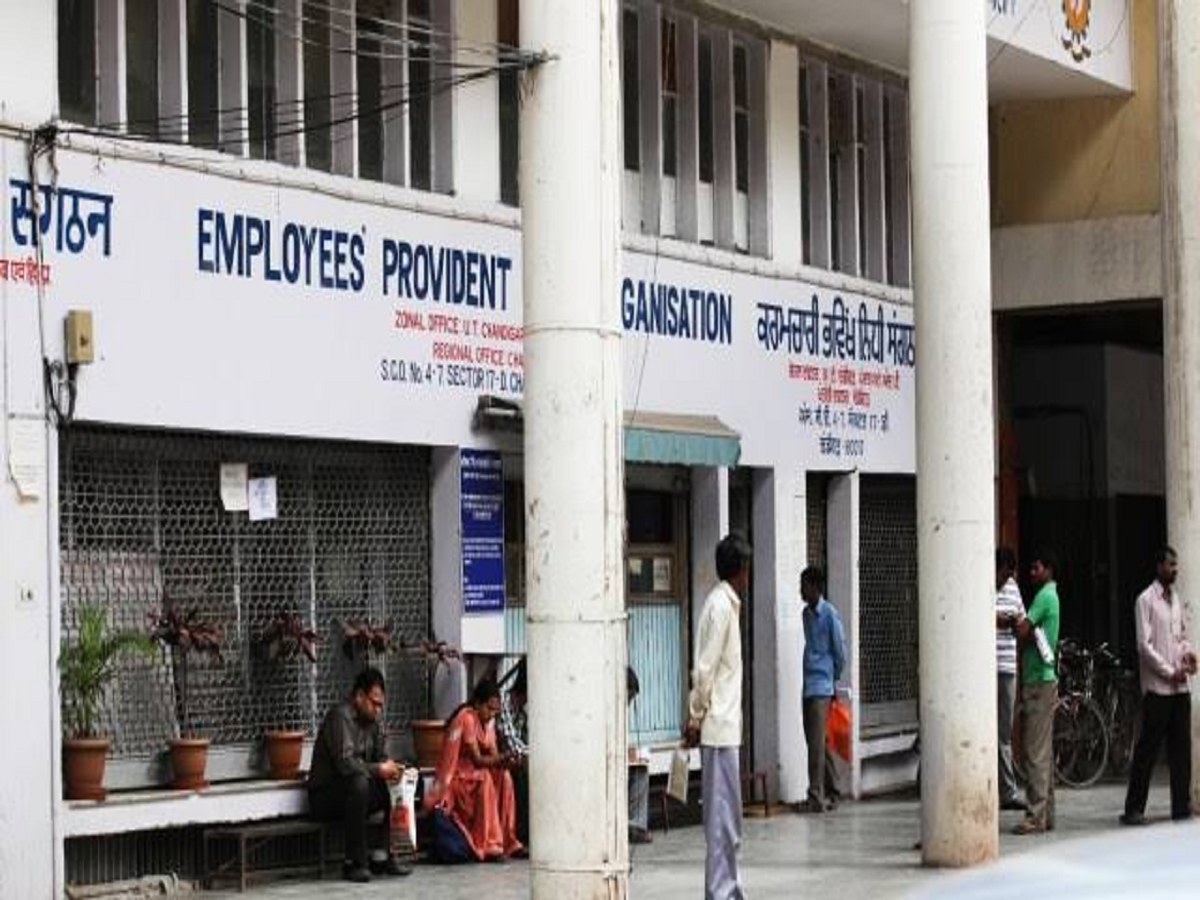
Millions of salaried employees may soon find it easier to access their Employees' Provident Fund (EPF) savings following major decisions taken by the Central Board of Trustees (CBT) on November 19, 2026.
At its 240th meeting in New Delhi, the EPFO approved important changes to PF withdrawal rules, including reducing the minimum balance requirement from 25% to 10% and shortening the waiting period for final PF withdrawal from 12 months to just two months.
The board also approved a Systematic Withdrawal Plan (SWP), which will allow eligible retiring members to receive their accumulated PF savings through regular instalments instead of withdrawing the entire amount at once.
These decisions are expected to provide greater financial flexibility to employees, particularly those changing jobs, facing unemployment or approaching retirement.
1. Minimum PF Balance Requirement Reduced from 25% to 10%
One of the most important decisions concerns the minimum balance that EPFO members must retain in their provident fund accounts.
Under the approved changes, the minimum balance requirement will be reduced from 25% to 10%.
This means employees will potentially have greater access to their accumulated PF savings when they need money for eligible withdrawals.
The change could be particularly useful for employees facing financial difficulties, medical expenses or other permitted withdrawal requirements.
However, the final withdrawal amount will continue to depend on the applicable EPFO provisions and eligibility conditions.
2. Final PF Withdrawal Waiting Period Reduced to 2 Months
The EPFO has also approved a major reduction in the waiting period for final PF settlement.
Earlier, employees generally had to wait for 12 months after leaving employment before making a final withdrawal in certain circumstances.
Under the newly approved proposal, this waiting period will be reduced to just two months.
This could provide considerable relief to employees who leave their jobs and need access to their accumulated retirement savings.
The change is particularly relevant for individuals who are unemployed after resignation or have not immediately joined another organisation.
3. EPFO Approves Systematic Withdrawal Plan for Retirees
Another significant decision is the introduction of a Systematic Withdrawal Plan for eligible EPF members.
Instead of withdrawing their entire PF corpus at retirement, members will be able to receive their savings in periodic instalments.
The proposed facility will allow withdrawals at different intervals, including:
-
Monthly
-
Quarterly
-
Half-yearly
The remaining amount will continue to stay invested in the EPF system and earn interest at the applicable rate.
For example, an employee retiring with a PF balance of ₹25 lakh could choose to withdraw ₹15,000 every month instead of taking the entire amount immediately.
If the remaining corpus continues earning sufficient interest, the retirement balance could potentially remain stable or even grow over time.
However, actual returns will depend on the applicable interest rate, withdrawal frequency and final operational rules.
4. What Happens to the PF Balance After the Member's Death?
The proposed Systematic Withdrawal Plan also considers the financial interests of family members.
If a member dies while receiving periodic withdrawals, eligible nominees or dependants will reportedly have the option to withdraw the remaining balance or continue receiving payments.
This provision could offer additional financial security to families that depend on provident fund savings after the retirement of their primary earning member.
The detailed procedure will depend on the final implementation guidelines.
5. What Do the New EPFO Decisions Mean for Salaried Employees?
The approved changes could make the provident fund system more flexible and accessible.
The key benefits include:
| Proposed change | Potential benefit |
|---|---|
| Minimum balance reduced from 25% to 10% | Greater access to PF savings |
| Final withdrawal waiting period reduced to 2 months | Faster access after leaving employment |
| Systematic Withdrawal Plan | Regular retirement income |
| Nominee withdrawal options | Better financial flexibility for families |
For employees who frequently change jobs, the shorter waiting period could be particularly useful. Retiring employees may benefit from the option of receiving regular payments while keeping the remaining savings invested.
6. When Will the New PF Withdrawal Rules Come Into Effect?
Although the Central Board of Trustees has approved these proposals, members should distinguish between board approval and implementation.
The EPFO and Labour Ministry will need to complete the required administrative and regulatory procedures before the revised provisions become operational.
Therefore, employees should wait for official notifications and implementation instructions before assuming that the new withdrawal limits and timelines are already available.
Members can follow updates through the official EPFO website at https://www.epfindia.gov.in.
EPFO Moves Towards More Flexible Retirement Planning
The decisions taken at the 240th CBT meeting represent an important development for India's organised workforce.
Reducing the minimum PF balance requirement, shortening the final withdrawal waiting period and introducing systematic withdrawals could make retirement savings more accessible without completely removing their long-term investment purpose.
For employees, the biggest advantage could be greater control over their own provident fund money during unemployment, job transitions and retirement.
The final impact will depend on the detailed rules and implementation timeline, but the proposed changes indicate a move towards a more flexible and employee-friendly provident fund system.