BUSINESS
Electricity Bill Relief: Government's Solar Scheme Has Helped 42 Lakh Homes, Know How PM Surya Ghar Works
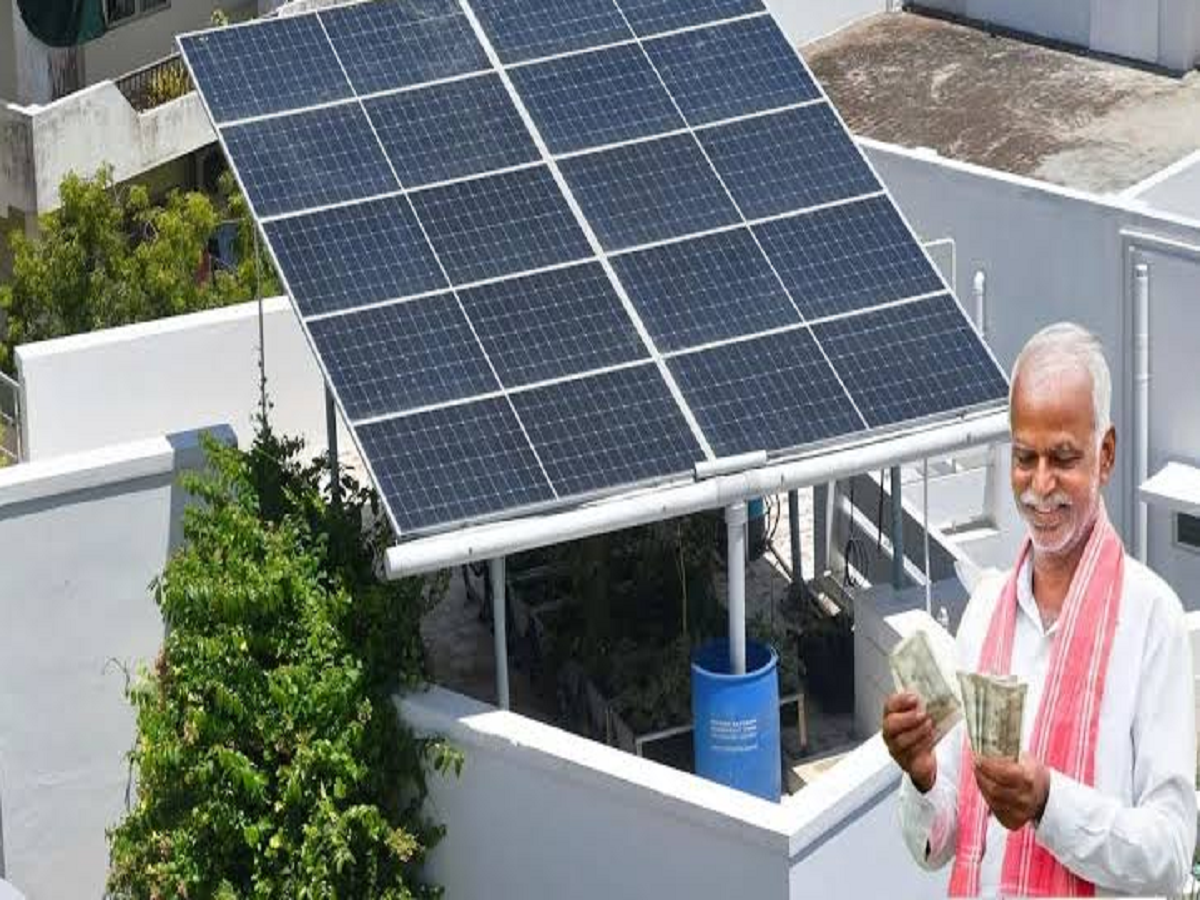
If your household electricity bill is increasing every month, installing rooftop solar could be one way to reduce your dependence on grid electricity. The government's PM Surya Ghar: Muft Bijli Yojana has already benefited nearly 42 lakh households, according to a recent statement by the Ministry of New and Renewable Energy.
The scheme is aimed at encouraging households to install rooftop solar systems and generate their own electricity. For many families, the biggest attraction is the possibility of significantly reducing their monthly electricity bills.
What is PM Surya Ghar Yojana?
PM Surya Ghar is a central government scheme designed to promote rooftop solar installations in residential homes.
Under the scheme, eligible households can receive central financial assistance for installing rooftop solar systems. The electricity generated can be used by the household, while surplus power may be exported to the electricity grid under the applicable net-metering arrangements.
How much can your electricity bill fall?
The actual savings depend on several factors, including the size of the solar system, household electricity consumption, sunlight availability and the applicable electricity tariff.
The government has reported that average electricity bills among beneficiaries have fallen by around 71%, with some households recording zero electricity bills.
This does not mean every household will receive a zero bill. The savings will vary from one consumer to another.
Who should consider installing rooftop solar?
The scheme can be particularly useful for households that:
-
Have their own house or an eligible rooftop
-
Have reasonably high monthly electricity consumption
-
Receive good sunlight on the roof
-
Want to reduce long-term electricity expenses
-
Have sufficient roof space for a solar installation
People living in apartments should check whether their residential society and local electricity distribution company allow the relevant rooftop or shared-solar arrangement.
What should you check before installing solar?
Don't select a solar system simply because it offers the highest subsidy.
First, check your average electricity consumption over the past 12 months. This will help you determine an appropriate system size.
You should also check:
-
Available rooftop area
-
Shadow from nearby buildings or trees
-
Local DISCOM requirements
-
Approved vendors
-
Installation and maintenance costs
-
Subsidy eligibility
-
Net-metering requirements
How does the subsidy help?
The government provides central financial assistance for eligible residential rooftop solar installations under the scheme.
However, the exact subsidy amount depends on the capacity and applicable scheme rules. Consumers should therefore verify the current subsidy calculation and eligibility requirements through the official PM Surya Ghar portal before making a payment to an installer.
Don't fall for fake solar subsidy claims
With government-backed solar schemes becoming increasingly popular, consumers should be careful about people promising unusually high subsidies or asking for money to "release" government benefits.
Before making any payment, verify the vendor and scheme details through official government channels. Avoid sharing OTPs, banking passwords or other confidential information with unknown callers.
Solar power is becoming a household option
The government says PM Surya Ghar is helping transform electricity consumers into producers of clean energy. With nearly 42 lakh households already benefiting, rooftop solar is becoming an increasingly important part of India's household energy strategy.
For homeowners considering solar, the most important step is not simply applying for the subsidy—it is first calculating your electricity consumption and choosing a system that actually matches your household's needs.