BUSINESS
Electricity Bill Getting Too High? This Government Rooftop Solar Scheme Can Help Households Save Money
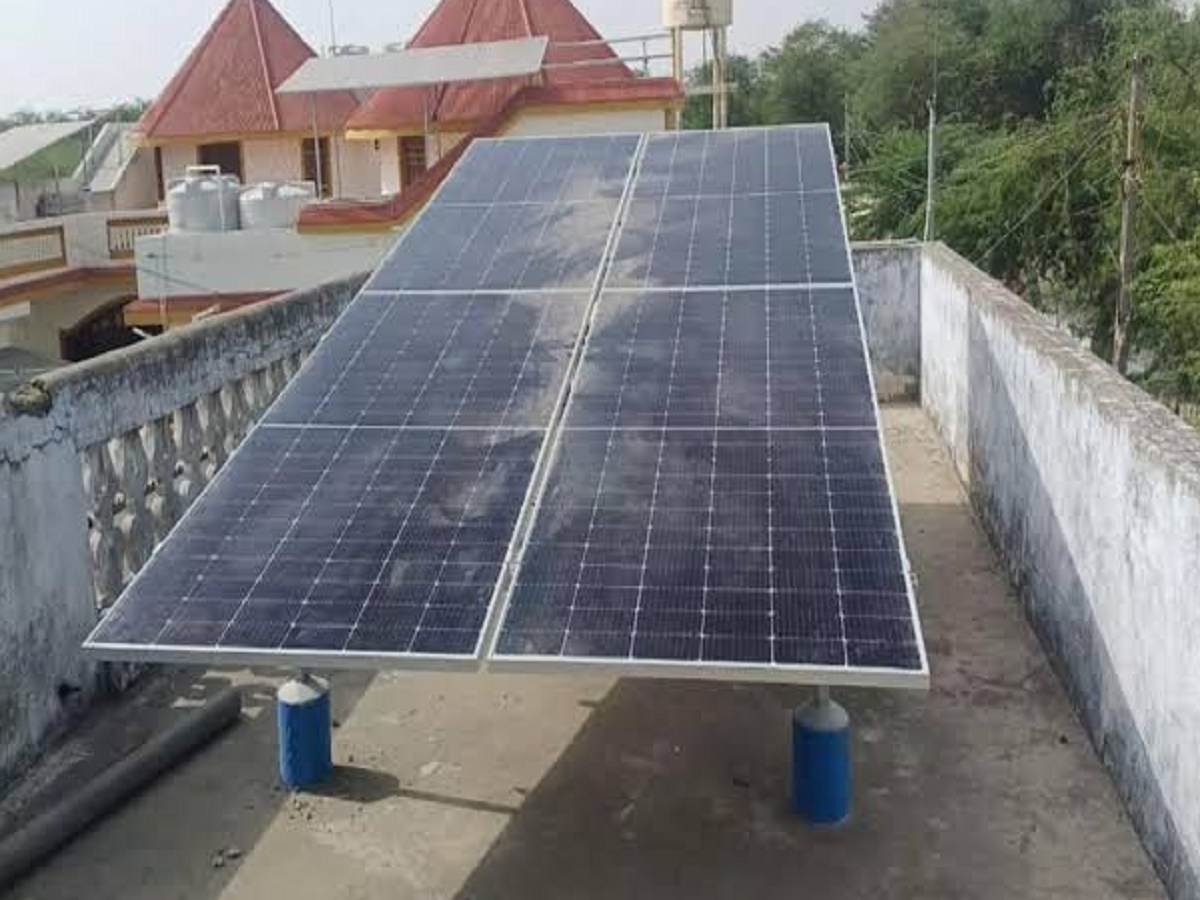
If your monthly electricity bill has been eating into your household budget, installing solar panels on your rooftop could be worth considering. The government's PM Surya Ghar: Muft Bijli Yojana is aimed at helping residential electricity consumers install rooftop solar systems and reduce their dependence on electricity purchased from the grid.
The scheme is demand-driven and is available to residential consumers with a grid-connected electricity connection through their local DISCOM. According to government data, more than 48 lakh households had benefited from the scheme by July 2026.
What is PM Surya Ghar: Muft Bijli Yojana?
The scheme provides central financial assistance for eligible residential consumers installing rooftop solar systems.
The basic idea is simple: solar panels installed on your roof generate electricity during the day. The electricity can be used by your household, while surplus power can be fed into the grid according to the applicable state and DISCOM arrangements.
This can reduce the amount of electricity you need to purchase from the grid.
Who can benefit from the scheme?
The scheme is intended for residential electricity consumers across India, including households in rural areas.
To benefit, the household generally needs a grid-connected electricity connection with the local electricity distribution company.
The application process is carried out through the National Portal created for the scheme, followed by the required steps involving the DISCOM and installation.
How much can your electricity bill fall?
The actual savings depend on several factors, including:
-
Size of the rooftop solar system
-
Household electricity consumption
-
Amount of sunlight received
-
Rooftop space available
-
Local electricity tariff
-
Solar generation throughout the year
-
Your DISCOM's applicable rules
Therefore, there is no single guaranteed electricity-bill saving for every household.
Government data indicates that many beneficiaries have reported very substantial reductions in their electricity bills, with more than 18.93 lakh beneficiaries reported by DISCOMs as receiving a zero electricity bill during at least one billing period after installing rooftop solar under the scheme.
You don't necessarily need a huge rooftop
Many people assume that solar panels require an enormous terrace.
In reality, the required area depends on the capacity and type of system being installed. A household should first assess its electricity consumption and available rooftop space before deciding the appropriate capacity.
The objective should not simply be to install the largest possible system. The system should be reasonably matched to the household's electricity needs and available space.
What happens after you apply?
The general process involves applying through the official scheme portal, selecting an eligible vendor, getting the rooftop system installed and completing the required DISCOM-related procedures.
The system is then inspected and connected according to the applicable process.
Any subsidy or financial assistance is subject to the scheme's eligibility conditions and prescribed procedure.
Why check your electricity bill before applying?
Before making a decision, look at your electricity bills from the past several months.
Check your average monthly consumption rather than basing the decision on just one unusually high bill.
For example, electricity usage may rise sharply during summer because of air conditioners and coolers. Comparing several months gives you a better picture of your normal consumption.
You should also consider whether your roof receives sufficient sunlight and whether there are buildings, trees or other structures that could shade the panels.
A useful option for homeowners
The government says that the scheme has continued to expand rapidly, with millions of rooftop solar systems installed across residential households.
For homeowners with suitable rooftops and regular electricity consumption, rooftop solar can potentially reduce long-term electricity expenses while also generating cleaner electricity.
However, consumers should compare installation costs, subsidy eligibility, expected generation and local DISCOM procedures before making a final decision.
The simple takeaway
If you own a house with a grid-connected electricity connection and have enough rooftop space, PM Surya Ghar: Muft Bijli Yojana is one government programme worth checking before paying for a rooftop solar installation yourself.
Instead of looking only at the upfront cost, calculate your current electricity consumption, estimated solar generation and potential long-term savings. That will give you a much clearer idea of whether rooftop solar makes financial sense for your household.