After dental treatment, it is common to experience mild pain, swelling or sensitivity for a few days. The recovery period can vary depending on the procedure, whether it involved stitches, minor surgery, fillings, implants or other dental work.
During this time, your dentist may recommend a soft-food diet to reduce pressure on the treated area and make eating more comfortable. But what exactly should you eat, and which foods should stay off your plate?
Ask Your Dentist These Questions First
Your diet after dental treatment can depend heavily on the procedure you underwent. Before leaving the clinic, ask your dentist:
- When can you start eating normally?
- Can you chew on the side where the treatment was performed?
- Should you avoid very hot or cold foods?
- Are soft foods containing small pieces safe to eat?
- How long should you continue with a soft-food diet?
Following these instructions is important because different dental procedures have different recovery requirements.
What Foods Are Best After Dental Treatment?
Choose foods that are soft, easy to chew and provide enough nutrition without putting excessive pressure on your teeth and gums.
Some good options include:
Soft Cheese and Yogurt
Soft cheese and yogurt are easy to consume and can provide protein and calcium. Choose plain or low-sugar varieties when possible.
Eggs
Scrambled eggs and properly cooked boiled eggs are soft sources of protein. Make sure they are not overly hot when you eat them.
Soft Fish
Boneless, well-cooked fish can be a nutritious option because it is generally soft and easy to chew.
Soups
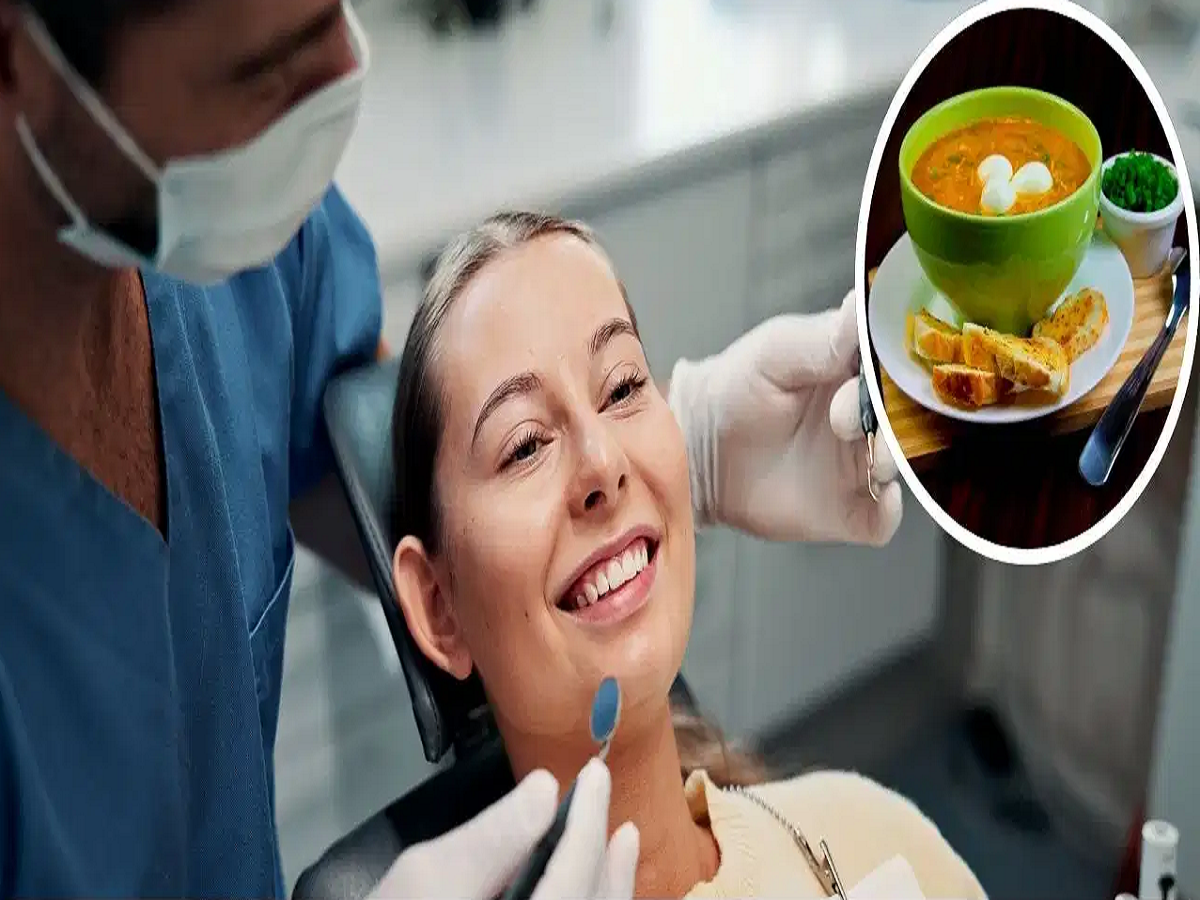
Vegetable soups can provide fluids and nutrients while being easy to consume. Allow the soup to cool to a comfortable temperature before eating.
Well-Cooked Vegetables
Steamed or thoroughly cooked vegetables become softer and easier to chew than raw vegetables.
Soft Cereals and Well-Cooked Lentils
Soft cereals and properly cooked lentils can provide carbohydrates, protein and other nutrients without requiring extensive chewing.
Which Foods Should You Avoid?
Hard, crunchy and sticky foods can put unnecessary pressure on recently treated teeth or gums.
For the initial recovery period, it is generally better to avoid:
- Nuts and seeds
- Raw vegetables
- Hard fruits
- Chips and crunchy snacks
- Hard biscuits and cookies
- Sticky caramel and similar foods
- Very sugary foods and drinks
- Extremely hot or cold foods
Sticky foods can also become trapped around teeth or between dental work, making them particularly inconvenient during recovery.
Don't Make Your Food Too Spicy
Very spicy foods may cause discomfort, particularly if the mouth or gums are still sensitive after treatment.
It can be helpful to keep meals relatively mild and avoid excessive chilli and strong spices during the initial recovery period.
Lukewarm Food May Be More Comfortable
Extremely hot or cold food can trigger sensitivity after certain dental procedures.
Eating food at a comfortable or lukewarm temperature may therefore be easier while your mouth is recovering. However, follow your dentist's specific instructions if they have given you different advice.
How Long Should You Follow a Soft Diet?
There is no single recovery period that applies to everyone. The appropriate duration depends on the type of dental treatment and how quickly the treated area heals.
Don't switch back to hard or crunchy foods simply because the pain has improved. Follow the timeframe recommended by your dentist.
If pain or swelling becomes severe, continues to worsen, or you develop other concerning symptoms after treatment, contact your dentist rather than trying to manage the problem through diet alone.