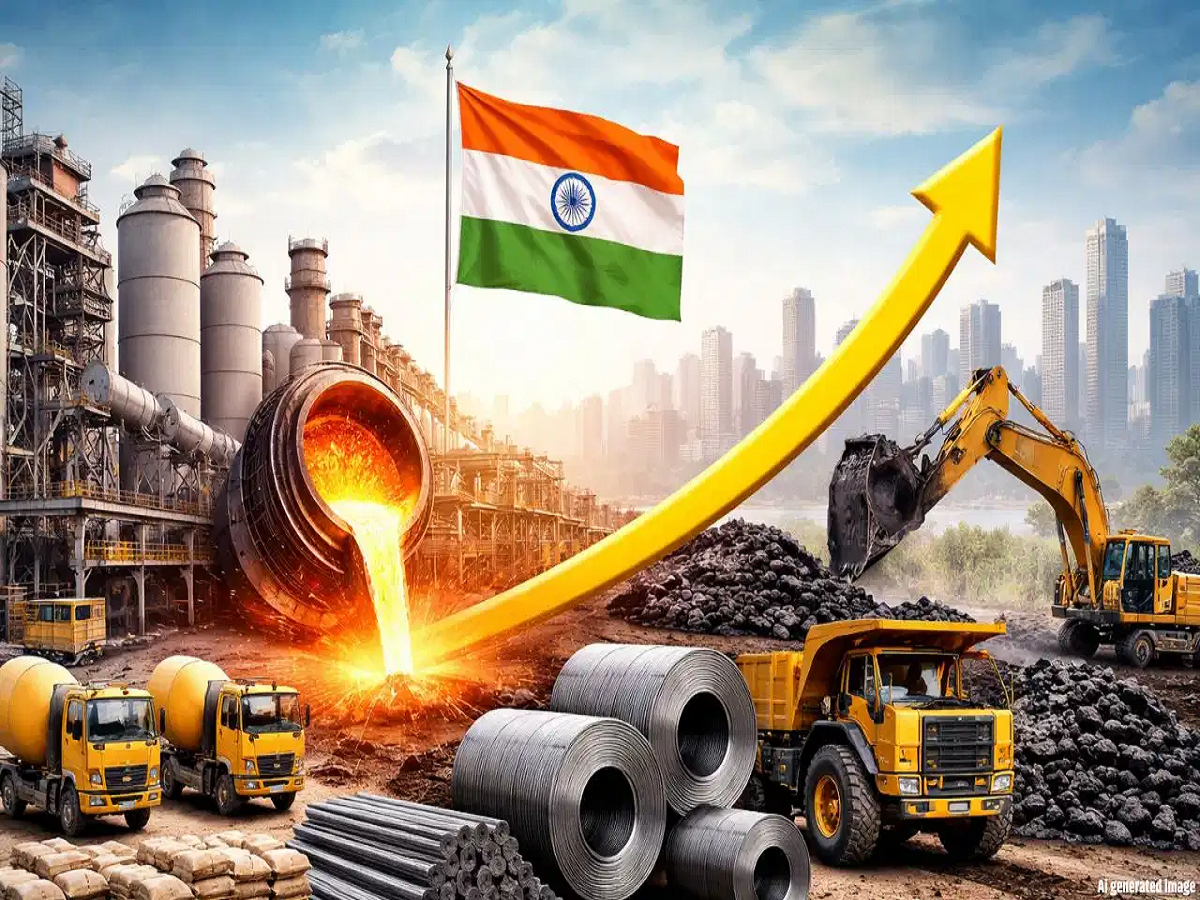
In the face of global financial turbulence, record-high oil prices, and market volatility sparked by the ongoing Iran crisis, India’s economic resilience is being put to the test—and passing with flying colors. While headlines often focus on rupee depreciation and foreign investor sell-offs, global rating agency S&P Global Ratings has sent a powerful message of confidence: the Indian economy remains robust and fundamentally unaffected.
In a recent interview, Yeapharn Phua, Director of International Public Finance Ratings at S&P, highlighted that the current anxieties surrounding foreign investment outflows are largely "exaggerated."
Resilience in the Face of Pressure
The narrative that foreign institutional investor (FII) withdrawals are a sign of weakness is misleading. According to S&P, much of this outflow reflects the routine repatriation of profits rather than a flight from India’s long-term potential.
Key factors fueling this confidence include:
-
Sustained Growth: Despite the noise of temporary market fluctuations, India continues to offer a wealth of high-potential investment opportunities.
-
Macroeconomic Stability: The confidence in India’s outlook is grounded in data; notably, S&P upgraded India’s credit rating to BBB (from BBB-) in August, maintaining a stable outlook.
-
Managing the Oil Shock: While surging oil prices have pressured the current account deficit, global experts agree that India possesses the underlying strength to absorb these costs without derailing its growth trajectory.
Proactive Government Strategy
The Indian government is not standing idle. To reinforce its foreign exchange reserves and cushion the impact of regional conflicts, authorities are taking targeted fiscal steps.
One of the most significant moves, effective today, May 13, 2026, is the substantial increase in import duties on precious metals like gold. The tax has been raised from 6 percent to 15 percent. This strategic intervention is designed to curb non-essential imports, protect the rupee, and stabilize the balance of payments.
The Bottom Line
While external factors like the Iran war create short-term friction, India’s economic narrative remains one of endurance. By prioritizing macro-stability and leveraging its inherent domestic strength, India is proving that it has the capacity to weather global storms that might otherwise cripple less resilient markets.