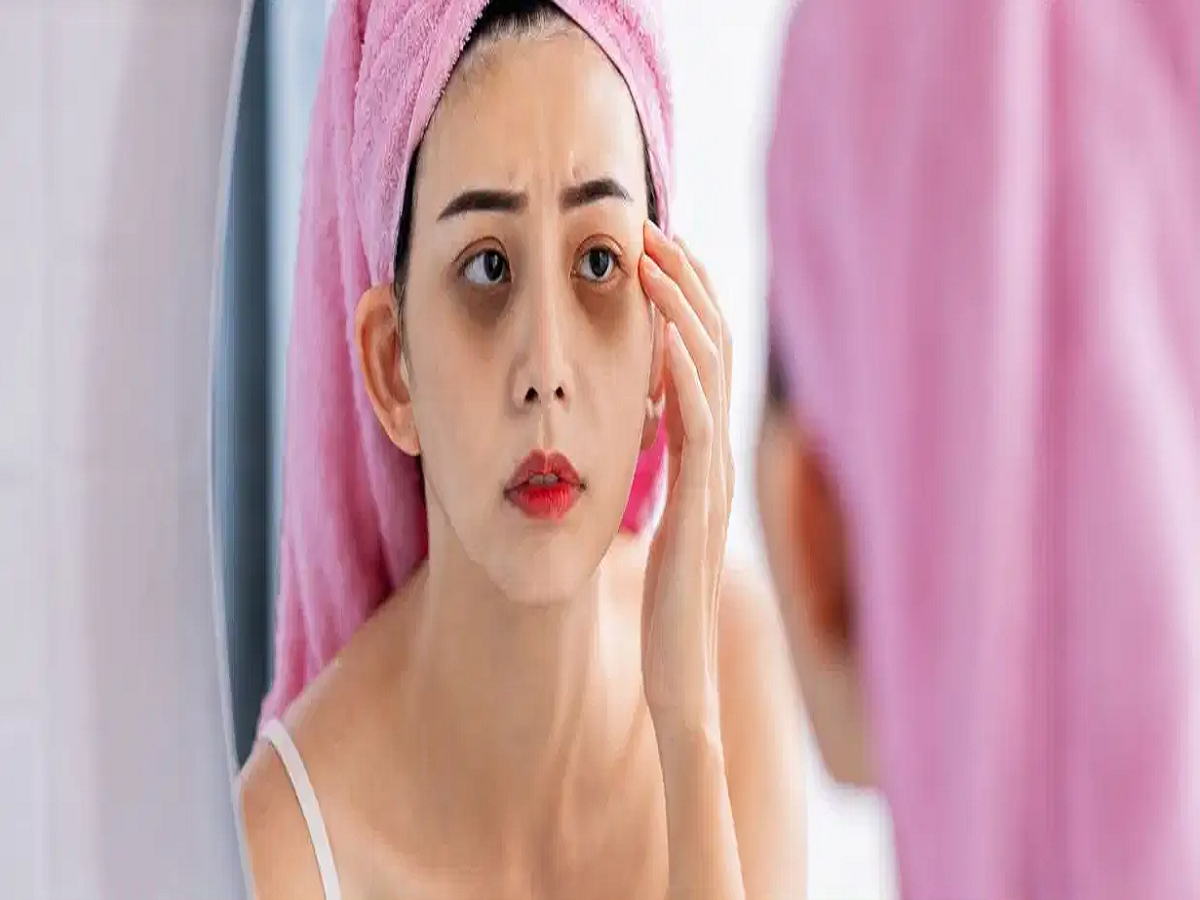
Dark circles under the eyes are extremely common and can make the face appear tired even after a good night's sleep. The area under the eyes may look darker than the surrounding skin and can sometimes be accompanied by puffiness, swelling, or a hollow appearance.
Lack of sleep and stress are often blamed, but they aren't the only causes. Genetics, aging, allergies, dehydration, sun exposure, frequent eye rubbing, and thinning of the skin can also contribute.
The good news is that a few simple habits may help reduce their appearance, depending on the underlying cause.
Get Enough Sleep
Poor sleep can make dark circles and under-eye puffiness more noticeable.
Try to get around seven or more hours of quality sleep each night. Maintaining a consistent sleep schedule can also help your overall appearance and energy levels.
If you regularly use your phone or laptop late at night, reducing screen exposure before bedtime may also help improve sleep quality.
Try a Cold Compress
A cold compress can temporarily reduce puffiness around the eyes.
You can place a clean, cool cloth over the closed eyes for a few minutes. A chilled spoon can also provide a cooling effect.
Avoid placing extremely cold objects directly on the delicate skin around your eyes.
Keep Your Head Slightly Elevated
If you frequently wake up with puffy eyes, sleeping with your head slightly elevated may help reduce fluid accumulation around the eyes overnight.
An extra pillow can provide some elevation, although it should still allow you to sleep comfortably.
Can Cucumber Slices Help?
Cool cucumber slices are a popular home remedy for tired-looking eyes.
Because cucumbers contain plenty of water and provide some vitamin C and other plant compounds, chilled slices may help the area feel refreshed and temporarily reduce puffiness.
However, cucumber should not be considered a permanent treatment for dark pigmentation.
Stop Rubbing Your Eyes
Frequent eye rubbing can irritate the delicate skin around the eyes and may make discoloration more noticeable.
If your eyes are frequently itchy or watery, allergies could be contributing to the problem. Instead of repeatedly rubbing your eyes, consider discussing persistent symptoms with a doctor.
Protect the Under-Eye Area From the Sun
Sun exposure can contribute to increased pigmentation, including around the eyes.
Using appropriate sun protection and wearing sunglasses when outdoors can help protect the delicate skin around the eyes. Be careful when applying sunscreen near the eyes and follow the product's instructions.
Why Do Some People Have Dark Circles Even After Sleeping Well?
Not every case of dark circles is caused by tiredness.
Genetics, natural skin pigmentation, aging, allergies, visible blood vessels, and changes in the structure of the skin around the eyes can all play a role.
As the skin becomes thinner with age, blood vessels and underlying structures may become more visible, making the area appear darker.
This is why simply sleeping longer may not completely eliminate dark circles for everyone.
When Should You See a Doctor?
Dark circles are usually harmless. However, medical advice is worth seeking if the discoloration or swelling:
-
Appears suddenly
-
Occurs mainly under one eye
-
Is accompanied by significant swelling
-
Persists despite lifestyle changes
-
Occurs along with other unusual eye symptoms
A doctor can help determine whether allergies, skin conditions, pigmentation, or another underlying issue is contributing to the problem.
Avoid starting medicated creams or treatments around the eyes without professional advice, as the skin in this area is particularly sensitive.
The Bottom Line
Better sleep, a cold compress, sun protection, avoiding eye rubbing, and managing allergies can help improve the appearance of dark circles in some people.
However, dark circles have many possible causes, and home remedies cannot eliminate every type. If the problem is persistent, severe, or affecting only one eye, getting the underlying cause evaluated is a safer approach.