LIFESTYLE
Constipation Becomes More Common in Winter: These 5 Everyday Mistakes Could Be Affecting Your Digestion
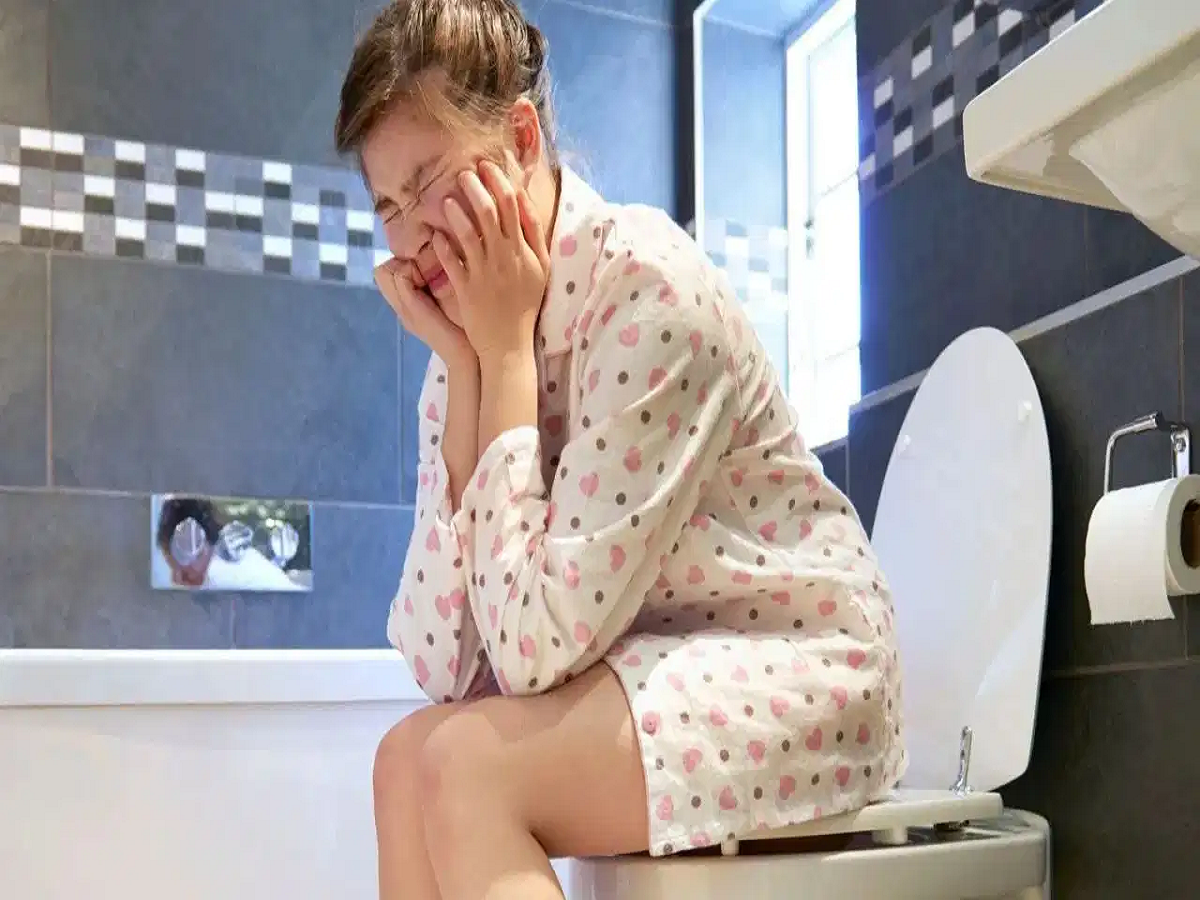
Have you noticed that bowel movements become more difficult during the winter months? Many people experience constipation more frequently in cold weather, often because of changes in their daily routine, eating habits and physical activity. If ignored, persistent constipation can also contribute to complications such as piles (haemorrhoids).
But why does constipation increase during winter, and what can you do to prevent it? According to health experts, dehydration, reduced physical activity and a lack of dietary fibre are among the major factors that can make the problem worse.
Why does constipation occur?
Constipation generally develops when bowel movements become less frequent or stools become hard and difficult to pass.
When stool remains in the large intestine for an extended period, the colon continues absorbing water from it. As a result, the stool becomes dry and hard, making it more difficult to pass during bowel movements.
Drinking adequate water and eating fibre-rich foods can help maintain regular bowel movements and prevent stools from becoming excessively hard.
What did the doctor say about winter constipation?
Dr. Piyush Gupta, Director of Gastroenterology and Hepatology at Shri Balaji Action Medical Institute, Delhi, explains that changes in daily routines and eating habits are among the main reasons constipation becomes more common during winter.
Cold weather often reduces the desire to drink water. People may also spend more time indoors and become less physically active. These changes can affect bowel movements and increase the likelihood of constipation.
5 reasons why constipation may increase during winter
1. Drinking less water
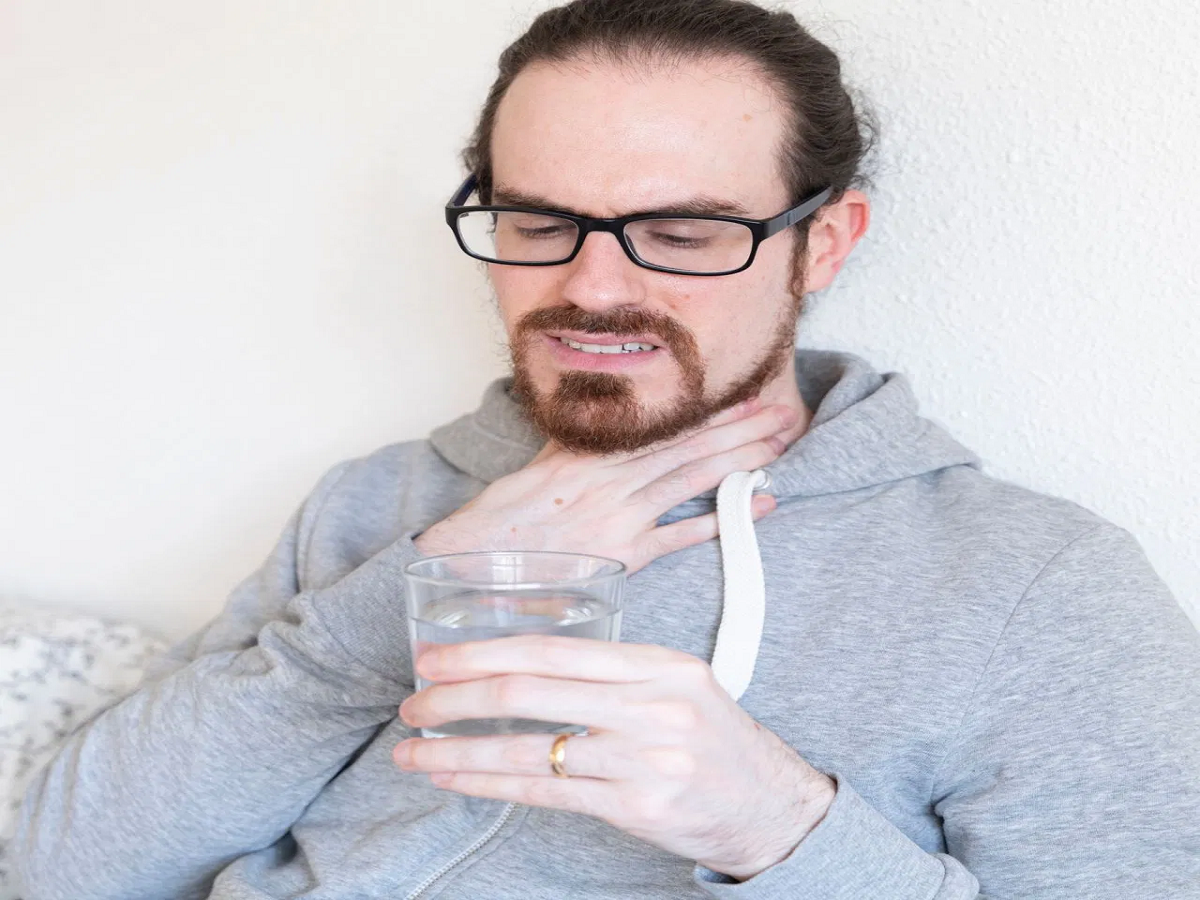
During winter, people often feel less thirsty and unintentionally reduce their water intake. However, the body still needs sufficient fluids to function properly.
Inadequate fluid intake can contribute to harder stools, making bowel movements uncomfortable and difficult.
2. Reduced physical activity
Cold mornings and chilly evenings often discourage people from walking, exercising or participating in outdoor activities.
Physical movement helps stimulate intestinal activity. When you become less active, bowel movements may also slow down, increasing the risk of constipation.
3. Eating fewer fibre-rich foods
Some people reduce their consumption of fruits, salads and green vegetables during winter. At the same time, they may eat more fried snacks and calorie-rich foods.
This change can reduce dietary fibre intake. Fibre adds bulk to stool and helps support regular bowel movements, making it an important part of a constipation-prevention diet.
4. Changes in daily routine
Winter can also affect everyday habits, including meal timings, sleeping patterns and bathroom schedules.
Irregular routines and repeatedly ignoring the urge to pass stool can make constipation worse. It is important not to delay bowel movements unnecessarily.
5. Eating more fried and processed foods
Winter cravings often lead people to consume more fried snacks and foods that contain little dietary fibre.
When these foods replace fruits, vegetables and whole grains in the diet, digestive regularity may suffer.
What problems can prolonged constipation cause?
Constipation can cause several uncomfortable symptoms, including bloating, gas, abdominal heaviness and pain or straining during bowel movements.
Repeated straining can also contribute to the development or worsening of piles (haemorrhoids) and anal fissures.
If constipation continues for a long time, it should not be ignored.
How can you prevent constipation during winter?
A few simple lifestyle changes can help maintain digestive health during the colder months.
-
Drink sufficient water throughout the day, even when you do not feel particularly thirsty.
-
Include seasonal fruits, green vegetables, whole grains and other fibre-rich foods in your meals.
-
Walk or perform light physical activity for at least 30 minutes daily.
-
Maintain regular meal timings and a consistent bathroom routine.
-
Never ignore the urge to pass stool.
If constipation persists despite these changes, consult a doctor. Seek medical advice promptly if you notice blood in your stool, unexplained weight loss or severe abdominal pain.
Winter constipation may seem like a minor seasonal inconvenience, but ignoring it can make the problem worse. Staying hydrated, eating enough fibre and remaining physically active can help keep your digestive system functioning regularly.