ENTERTAINMENT
‘Choli-Chunri’ Songs Spark Fresh Debate: Who Is Responsible for Obscenity in Film Music?
The recurring controversy surrounding the use of words like “choli” and “chunri” in film songs has once again ignited a wider debate on cultural values and artistic responsibility. The recent uproar over the song “Sarki Chunar”, featuring Nora Fatehi and Sanjay Dutt, has brought the issue into sharp focus—so much so that it echoed in Parliament and triggered discussions on the state of contemporary music.
Observers note that the relationship between film songs and controversy appears almost inseparable. Each time suggestive lyrics surface, they provoke strong reactions from sections of society concerned about cultural decline. In today’s context—where aspirations of modernity and cultural refinement coexist—the backlash has been particularly intense.
A Debate Rooted in History
This is not the first time such concerns have emerged. The 1990s witnessed a similar wave of criticism over songs featuring bold or suggestive language. Tracks from films like Khalnayak, Raja Babu, and Mohra drew widespread condemnation despite becoming hugely popular. Songs such as “Tu Cheez Badi Hai Mast Mast” and “Choli Ke Peeche Kya Hai” sparked public outrage, yet continued to dominate charts and public spaces.
Interestingly, many of these controversial songs were penned by highly respected lyricists like Anand Bakshi, Indeevar, and Sameer—raising enduring questions about whether such content reflects creative choice, industry pressure, or audience demand.
Industry Voices Weigh In
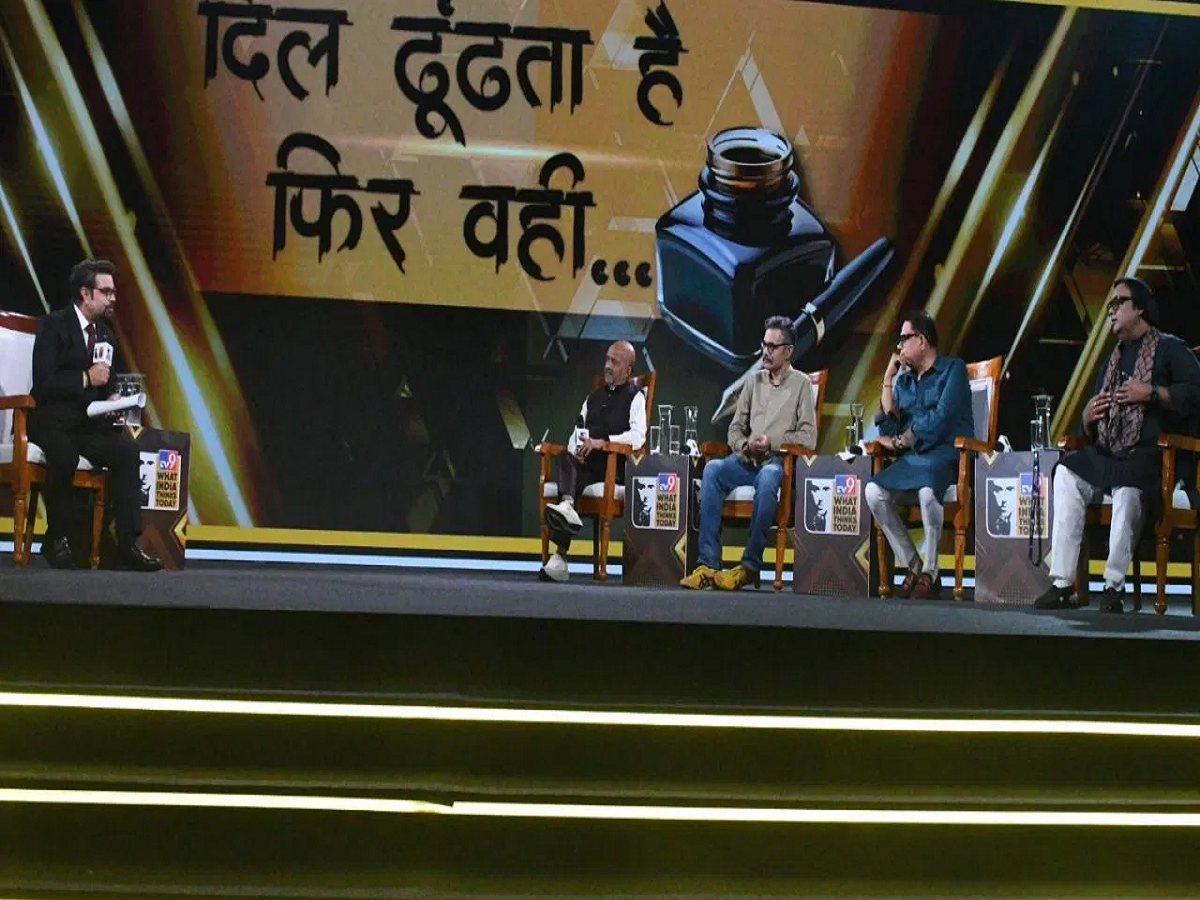
At a recent discussion forum, several prominent voices from the film and music industry offered differing perspectives on the issue.
Lyricist Sameer Anjaan argued that songwriters often operate within the framework of a film’s narrative and characters. According to him, a lyricist writes for the situation, not personal expression, and must adapt language accordingly. He also pointed out that responsibility should not rest solely on lyricists, but be shared with directors and producers who shape the final product.
Writer and storyteller Nilesh Mishra highlighted the multi-layered approval process behind any song—writing, composition, choreography, filming, and editing—questioning how potentially objectionable content passes through so many stages unchecked. He noted that many such songs gain popularity online even before regulatory scrutiny begins.
Audience Responsibility and Cultural Shift
Poet and film historian Yatindra Mishra shifted the focus to audiences, arguing that public consumption ultimately determines success. He emphasised that while every era produces both meaningful and superficial songs, only those with depth endure in collective memory. According to him, audiences must take responsibility by rejecting content they find objectionable.
Ghazal writer Alok Srivastava offered a broader cultural perspective, noting that film music has always reflected the social mood of its time. He observed that changing storytelling styles, digital platforms, and audience preferences have significantly influenced how songs are written, composed, and presented today.
A Question of Creative Responsibility
The debate ultimately circles back to the role of creators. While artistic freedom remains essential, many believe it must be balanced with social responsibility. The contrast between earlier metaphor-rich songs—such as “Laaga Chunari Mein Daag”—and today’s more direct expressions highlights a shift not just in language, but in intent and interpretation.