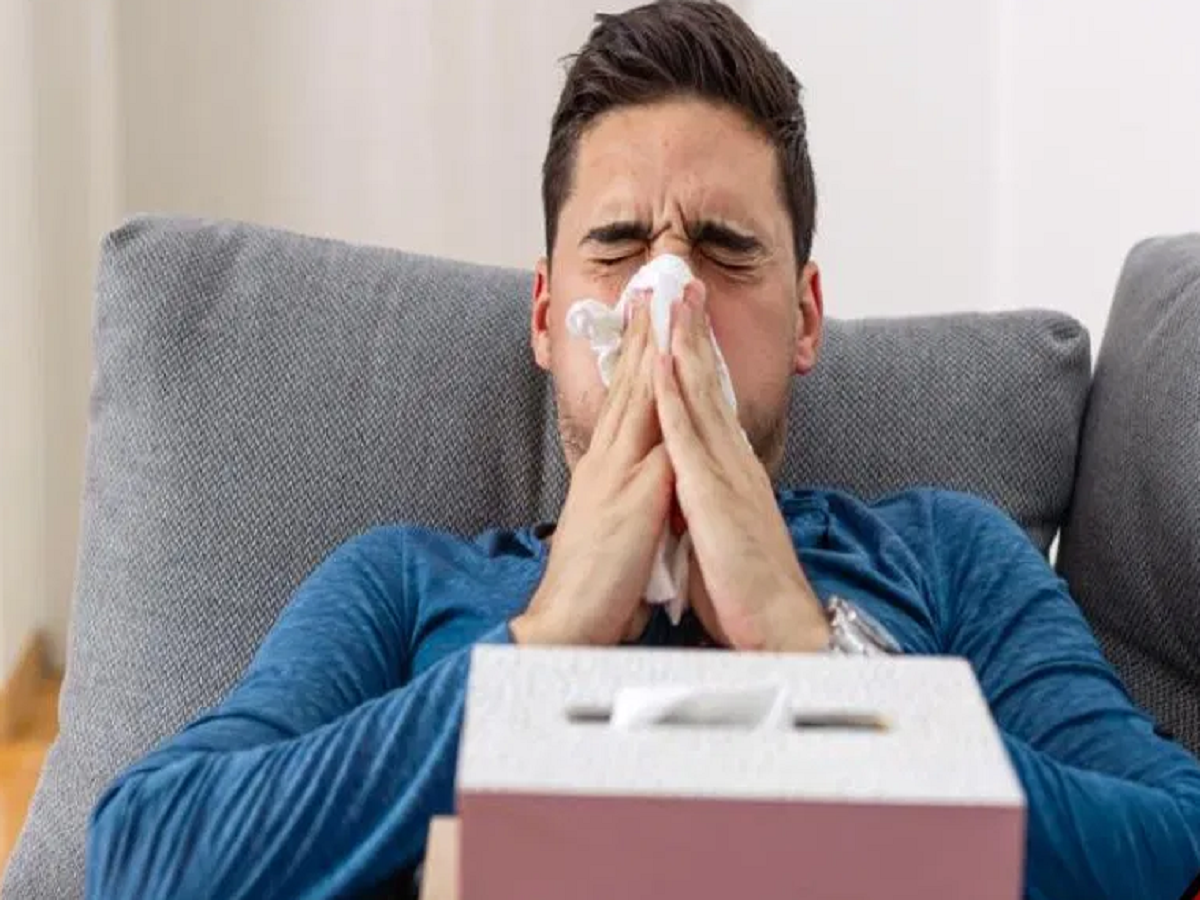
With frequent fluctuations in weather across many parts of the country—alternating between cold and mild warmth—health problems have become increasingly common. Sudden changes in temperature can trigger issues such as colds, coughs, sore throats, fever, headaches, fatigue, and body aches. Viral infections also tend to spread faster during this period, weakening the body’s immune response.
People suffering from asthma and allergies often experience worsening symptoms during such weather. Digestive problems like indigestion, gas, and bloating are also frequently reported. As the body takes time to adapt to repeated weather changes, many individuals may feel weak, irritable, or experience disturbed sleep. Dry skin and allergy-related discomfort are also common during this season, making health awareness especially important.
How to take care of your health in changing weather
According to Professor Dr. Subhash Giri, Director of the Department of Medicine at RML Hospital, it is essential to modify daily habits according to the weather. He advises maintaining a balanced and nutritious diet, focusing on light, fresh foods that support digestion.
Staying well-hydrated by drinking adequate water throughout the day is equally important. Wearing clothes suitable for fluctuating temperatures and avoiding exposure to cold air, especially during early mornings and evenings, can help prevent illness.
Regular light exercise or daily walking keeps the body active and strengthens immunity. Adequate sleep is also crucial, as sleep deprivation can make the body more vulnerable to infections. Maintaining proper personal hygiene further reduces the risk of falling ill.
Who should be extra cautious
Children, elderly individuals, and pregnant women need to take additional care during changing weather. People with existing health conditions such as asthma, allergies, diabetes, or heart disease should remain especially alert. Those with weakened immunity are also more susceptible to seasonal illnesses.
Additional precautions
Avoid crowded places where infections can spread easily. Protect yourself from direct cold air exposure. If symptoms like cough, cold, or fever appear, do not ignore them. Take timely rest and consult a doctor if symptoms persist or worsen.