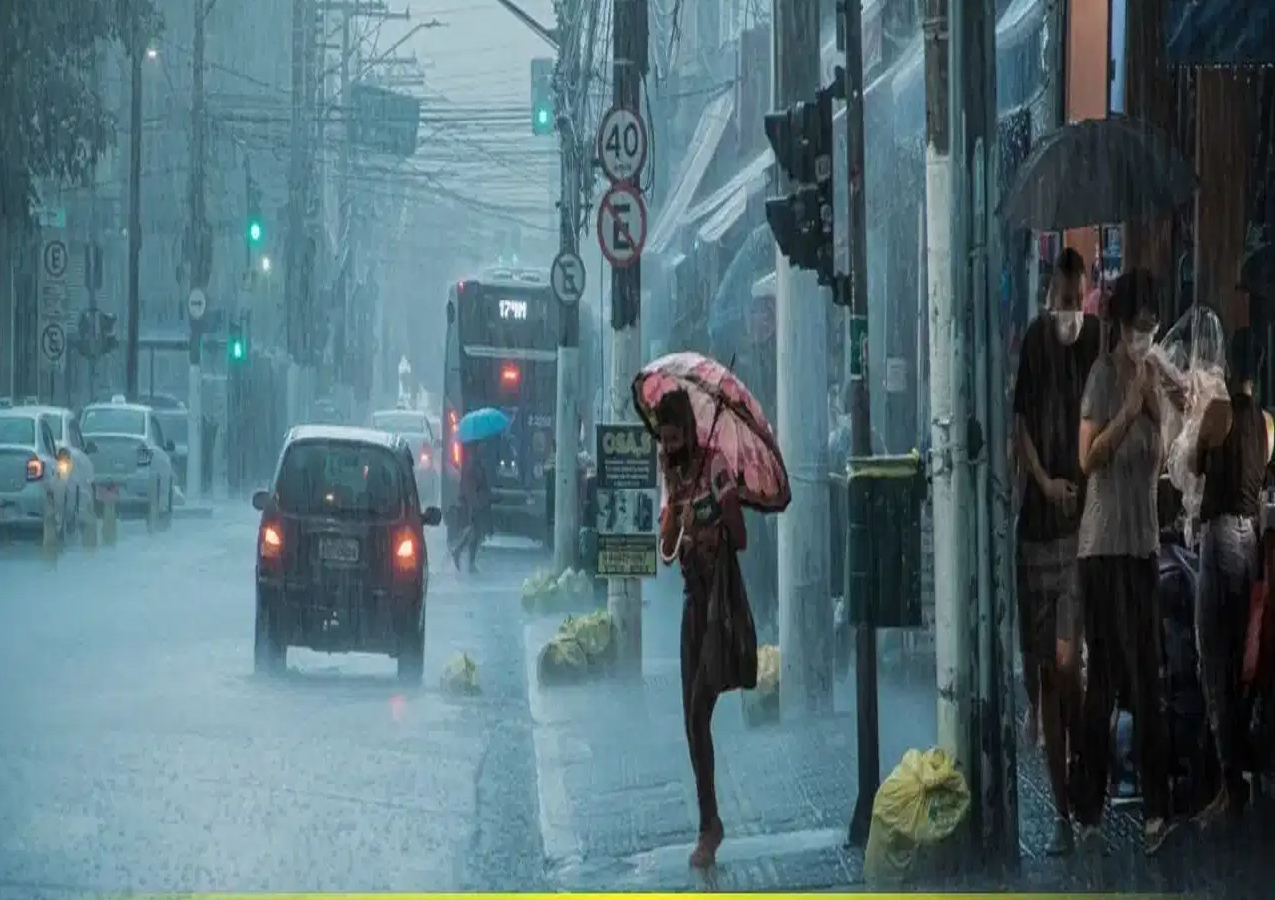
Getting caught in heavy rain while you're outside can be more than just an inconvenience. Strong winds, waterlogging, slippery roads, fallen trees and exposed electrical wires can all increase the risk of accidents during the monsoon. Instead of rushing to reach home, the first priority should always be your safety.
Whether you're travelling on foot, riding a two-wheeler or driving a car, taking a few precautions can help you avoid unnecessary risks.
Keep These Essentials With You
During the rainy season, it is a good idea to carry a few basic items whenever you step outside. An umbrella or raincoat can protect you from sudden showers, while waterproof bags or plastic covers can keep your phone, documents and other valuables dry.
Rain-resistant footwear can also help prevent slipping on wet surfaces. Carrying an extra stole or light piece of clothing can be useful if you get drenched unexpectedly.
Find a Safe Place to Take Shelter
If the rain suddenly becomes extremely heavy, don't try to rush through it. Look for a secure place such as a shop, metro station, sturdy building or properly constructed shelter.
Avoid taking cover under structures that appear weak or unstable. Once you reach a safe location, inform your family or someone close to you about where you are, particularly if the weather conditions are severe.
Don't Walk or Drive in a Hurry
Heavy rainfall can quickly fill roads and streets with water, making it difficult to spot potholes, broken roads or open drains. Moving too quickly can therefore lead to serious accidents.
If you're walking, slow down and stay alert. Keep a safe distance from passing vehicles because water splashed by cars and bikes can affect your visibility and balance.
If you're driving, reduce your speed, maintain a greater distance from other vehicles and avoid suddenly braking or changing lanes.
Stay Away From These Dangerous Spots
During thunderstorms and heavy rain, certain places can become particularly hazardous. Avoid taking shelter beneath trees, near electricity poles, transformers or power lines.
You should also stay away from large open areas, weak walls, damaged buildings and temporary structures such as poorly secured tin sheds. Strong winds can bring down trees, while rain can weaken walls and structures. Exposed electrical equipment can also pose a serious electrocution risk.
If you find yourself near any of these hazards, move towards a safer and more secure location.
What If You're Stuck in an Open Area During Lightning?
Being caught in an open field during a thunderstorm can be dangerous because there is little protection from lightning. If possible, immediately move towards a substantial enclosed building or vehicle.
If no safe shelter is nearby and you cannot leave the area, reduce your exposure to the surroundings and avoid lying flat on the ground. Keep your feet together and make yourself as small as possible while waiting for the immediate danger to pass.
If you're with a group, avoid standing close together. Maintaining some distance between people can reduce the risk of multiple people being affected by a single lightning strike.
Safety Should Come Before Getting Home Quickly
A sudden downpour can tempt you to hurry, but rushing through flooded or slippery areas can turn a minor inconvenience into a serious accident. The safest approach is to slow down, avoid obvious hazards and take shelter whenever conditions become dangerous.
Remember: getting home a little late is far better than putting your life at risk just to avoid getting wet.