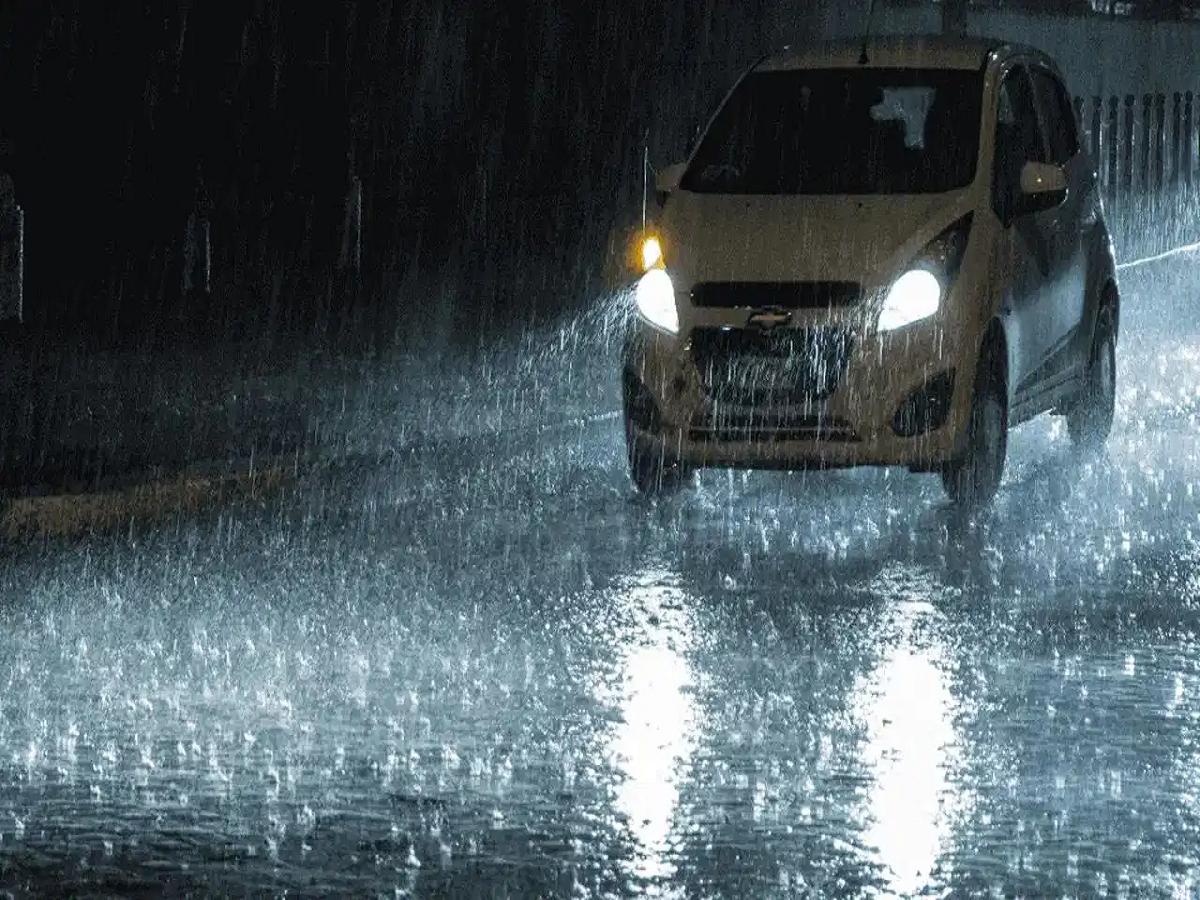
Driving in rain, fog, or at night can become difficult when your car's headlights are covered with dirt, water spots, or a hazy layer. Clear headlights help provide better illumination and can improve visibility when road conditions are poor.
Over time, headlights can collect dust, grease, road grime, and moisture. Plastic headlight lenses can also develop mild oxidation, making them appear cloudy or yellowish.
Before spending money on professional cleaning, you can try a few simple methods at home.
1. Clean With Dish Soap and Warm Water
For everyday dirt and grime, you may not need anything complicated. Mix a small amount of mild dishwashing liquid with warm water.
Dip a soft microfiber cloth into the solution and gently wipe the headlight surface. Rinse the lens with clean water and dry it completely using a fresh microfiber cloth.
This method is particularly useful for removing dust, mud, and ordinary road grime.
2. Remove Water Marks With a Vinegar Solution
Rainwater can sometimes leave mineral deposits and white marks on the surface of headlights.
To tackle these stains, mix equal amounts of white vinegar and water. Apply the solution to a soft cloth rather than pouring it directly onto the headlight.
Gently wipe the lens, then rinse it with clean water and dry it thoroughly with a microfiber cloth.
3. Try Baking Soda for Mild Haze
For light surface oxidation or haze, you can make a thin paste using baking soda and a small amount of water.
Apply the paste gently with a soft cloth and rub the surface using small, light circular motions. Do not scrub aggressively, as excessive rubbing can damage or scratch the plastic lens.
Rinse the headlight thoroughly afterward and dry it with a clean microfiber cloth.
Since baking soda can be mildly abrasive, this should not be used as an everyday cleaning method.
4. Use Diluted Isopropyl Alcohol for Oily Deposits
Road spray and oily residue can sometimes leave a stubborn film on the headlight surface.
For this type of dirt, put a small amount of appropriately diluted isopropyl alcohol on a soft cloth and gently wipe the lens. Never pour alcohol directly onto the headlight.
After cleaning, wipe the surface with a clean, dry microfiber cloth.
5. Don't Let Mud Dry on the Headlights
Fresh mud and road grime are easier to remove than dried-on dirt. After driving through heavy rain or muddy roads, clean the headlights as soon as practical.
Use warm water and a soft microfiber cloth to loosen the dirt. Avoid rubbing dry mud aggressively because particles of grit can scratch the plastic lens.
A Few Things to Remember
Always use soft, clean microfiber cloths when cleaning headlights. Avoid rough sponges, abrasive scrubbers, or aggressive polishing, as they can leave scratches.
If the cloudiness is caused by severe oxidation, deep scratches, or moisture trapped inside the headlight housing, household cleaning may not solve the problem. In such cases, professional headlight restoration or inspection may be necessary.
Clean headlights can provide better light output and visibility, particularly during rainy or foggy night driving. A few minutes of regular cleaning can therefore help keep your headlights clearer and your driving safer.