Constipation is a very common health problem that affects people of all ages. Many rely on home remedies, powders, or medicines to get relief. While occasional constipation is usually harmless, doctors warn that long-term constipation can become dangerous if left untreated. A key concern many people have is whether chronic constipation can increase the risk of colon cancer.
What is constipation and why does it happen?
Constipation occurs when bowel movements become infrequent or stools pass with difficulty. Poor eating habits, low water intake, lack of dietary fiber, and a sedentary lifestyle are among the most common causes. In many cases, constipation improves within a few days, but when it continues for months, it may lead to serious health issues.
Can constipation cause colon cancer?
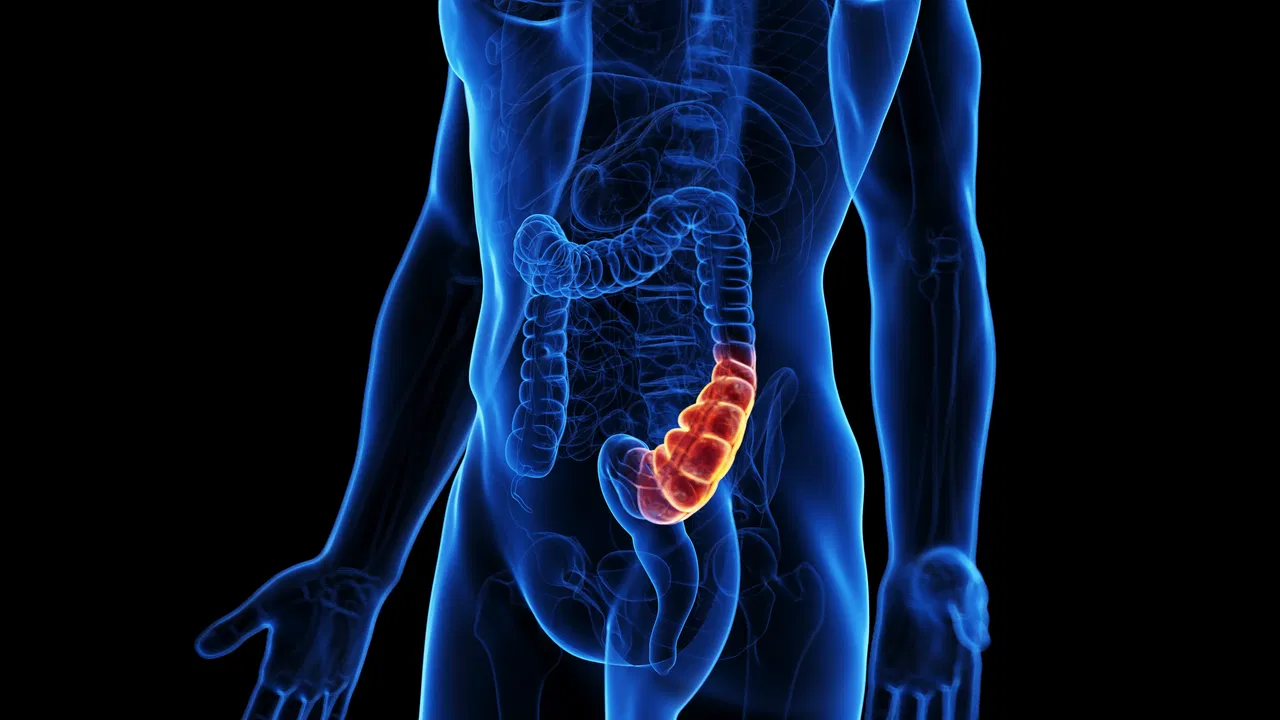
Dr. Rohit Kapoor from the Oncology Department at Max Hospital explains that chronic constipation does not directly cause cancer, but it can create conditions that increase the risk over time.
When stool remains in the intestines for long periods, it can irritate and inflame the intestinal lining. Persistent inflammation may lead to the formation of polyps, some of which can later turn cancerous. Long-standing constipation can also cause problems like hemorrhoids and anal fissures, which, if neglected, may worsen and complicate overall gut health.
Dr. Kapoor adds that if constipation lasts for five to six months or longer despite treatment, it should never be ignored. While not every case turns into cancer, the risk does increase when bowel health remains poor for years.
Warning signs that need medical attention
Doctors advise seeking medical help if constipation is accompanied by symptoms such as:
-
Sudden and unexplained weight loss
-
Persistent abdominal or stomach pain
-
Loss of appetite
-
Constant fatigue or weakness
These symptoms may indicate a more serious underlying condition and require proper evaluation.
How to prevent constipation
Simple lifestyle changes can greatly reduce the risk:
-
Drink at least 7–8 glasses of water daily
-
Eat fiber-rich foods like fruits (especially apples and oranges), vegetables, and whole grains
-
Exercise regularly to improve digestion
-
Consult a doctor if constipation becomes frequent or long-lasting