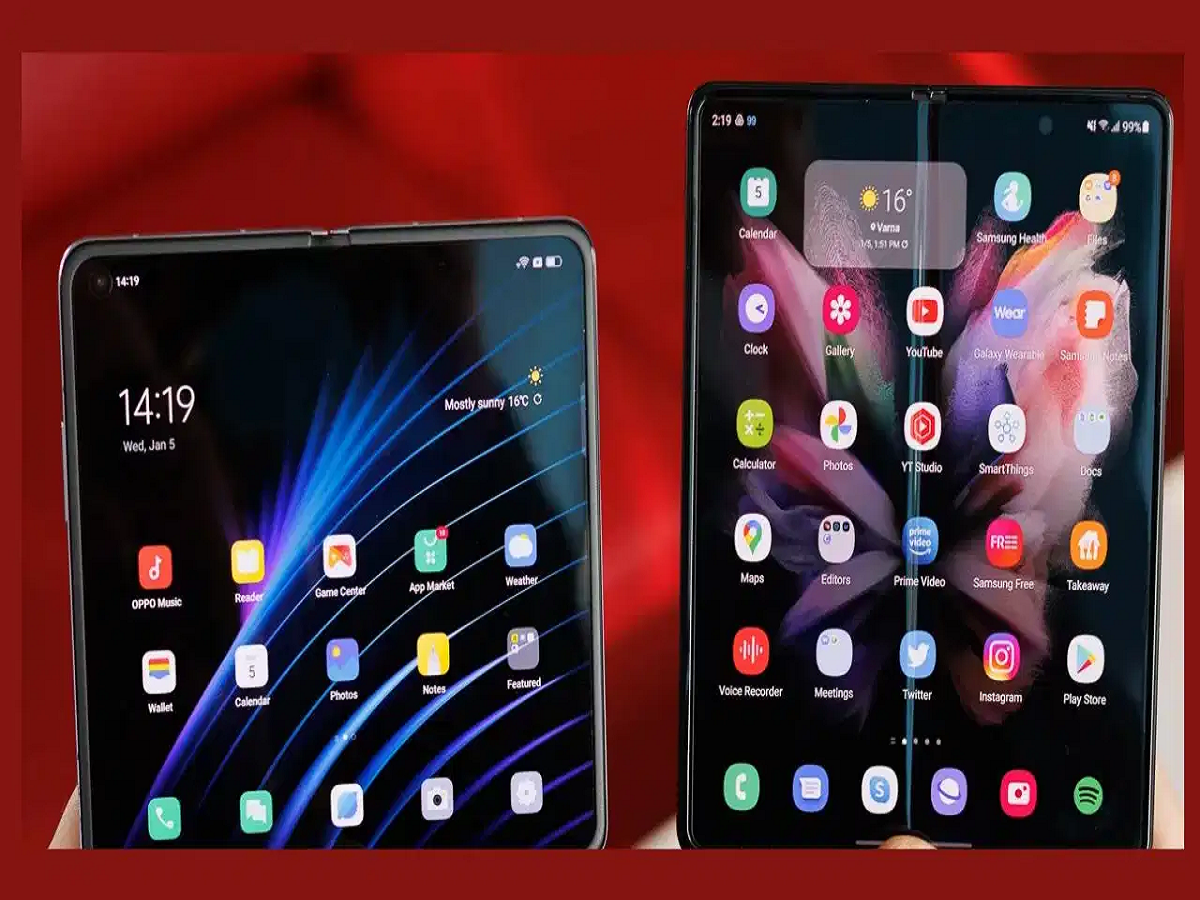
Foldable smartphones have come a long way in recent years. With larger inner displays, improved multitasking and increasingly capable hardware, they are beginning to blur the line between smartphones and compact tablets.
This raises an interesting question: if a foldable phone can open into a screen close to the size of a small tablet, do you still need a separate tablet?
For some users, the answer could be no. But it depends heavily on how you use your tablet.
The screen-size gap is getting smaller
Book-style foldable phones are the closest competitors to compact tablets because their inner displays can approach the size of an 8-inch tablet.
For comparison, the iPad mini has an 8.3-inch display, while several modern book-style foldables offer inner screens around the 8-inch mark.
This means users can get a much larger workspace than a conventional smartphone without carrying a separate tablet.
The biggest advantage is flexibility. The device works like a regular smartphone when folded and transforms into a larger-screen device when opened.
One device can do the job of two
For someone who regularly carries both a smartphone and a small tablet, a foldable phone can eliminate the need for two separate devices.
You can use it as a normal phone for calls, messaging and everyday tasks, then unfold it when you want to browse the web, watch videos, read documents or use multiple apps.
This can be particularly useful for people who travel frequently and want to reduce the number of devices they carry.
Mobile connectivity is another advantage
A foldable phone already has cellular connectivity, which means users don't necessarily need to rely on a phone hotspot to get their larger screen online.
Whether you're travelling, commuting or working away from home, the same device can handle calls, internet browsing, video streaming, gaming and other connected activities.
With a separate Wi-Fi-only tablet, users may have to connect it to their phone's hotspot when they are away from a Wi-Fi network.
But tablets still win for serious work
A foldable phone isn't automatically a replacement for every tablet.
If you regularly use a tablet for long work sessions, editing large documents, video editing, graphic design, detailed spreadsheets or other productivity-heavy tasks, a larger conventional tablet can still be more comfortable.
Although foldable phones can support multiple apps simultaneously, their displays remain smaller than those of many tablets. Spending several hours working on a relatively compact screen may not be comfortable for everyone.
Battery consumption can also increase when using the large inner display for extended periods.
Foldables come with their own compromises
The convenience of a folding design comes at a price.
Foldable smartphones generally cost more because they require specialised displays, hinges and other components. They can also be thicker and heavier than conventional smartphones.
The folding crease may remain visible on the inner screen, depending on the device and viewing angle.
Software is another consideration. While support for foldable displays has improved, some applications still don't make full use of the additional screen space. In certain cases, apps may simply adapt their interface without providing a genuinely tablet-like experience.
Who should consider replacing a tablet with a foldable phone?
A foldable phone could make sense if you mainly use your tablet for:
-
Watching videos and streaming
-
Browsing the internet
-
Reading
-
Social media
-
Casual gaming
-
Checking emails
-
Light document work
-
Travel and entertainment
For these activities, having one device that functions as both a smartphone and a compact tablet can be extremely convenient.
Who should keep a separate tablet?
A dedicated tablet remains the better choice if you regularly use it for:
-
Long work sessions
-
Professional document editing
-
Detailed spreadsheets
-
Graphic design
-
Video editing
-
Digital drawing
-
Extensive multitasking
-
Reading or reviewing large documents for hours
The larger display of a tablet can make these activities considerably more comfortable.
So, should you replace your tablet?
A foldable phone can replace a small tablet for many everyday tasks, but it isn't a universal tablet replacement.
If your tablet is mainly an entertainment and browsing device, switching to a foldable phone could allow you to carry one device instead of two. But if your tablet is an important productivity tool, keeping a dedicated tablet may still be the smarter choice.
Ultimately, the decision isn't about screen size alone. It's about how you use the larger screen. If convenience and portability matter most, a foldable phone can be a compelling two-in-one device. If comfort and productivity are the priority, a traditional tablet still has the edge.