As the Union Budget 2026 draws closer, millions of central government employees are once again looking towards 1 February with hope and anxiety. The big question remains unanswered: will salaries increase soon under the 8th Pay Commission, or will employees have to wait longer and receive arrears later? With January 2026 already over and no official announcement so far, it is becoming increasingly clear that the long-awaited salary revision may not happen on time.
Employees were expecting the implementation of the 8th Pay Commission from January 2026, following the traditional 10-year cycle. However, the absence of any formal notification has raised concerns that the process may be delayed. Experts believe that the upcoming budget could provide clarity on the government’s intent and the possible timeline for salary revision.
Why Is the 8th Pay Commission Getting Delayed?
Historically, a new pay commission is constituted every decade. The 7th Pay Commission was implemented from 1 January 2016, which led employees to expect the 8th Pay Commission to come into effect from January 2026. However, according to reports by rating agency ICRA, the formation, report submission, and approval process of the 8th Pay Commission could take another 15 to 18 months.
This suggests that an immediate salary hike is unlikely. For central government employees, this delay could mean waiting for nearly two more years before revised pay structures actually reflect in their monthly salaries. The delay also indicates that the financial implications will spill over into future budgets rather than being absorbed immediately.
Will Employees Get 18 Months of Arrears?
While the delay may seem disappointing, there is a silver lining. If the government decides to implement the 8th Pay Commission retrospectively from 1 January 2026, employees could receive arrears for up to 18 months in one go. This would offer significant financial relief to staff who have been waiting for the revision.
However, such a move would also create substantial pressure on government finances. ICRA estimates that salary expenditure could rise by nearly 40 to 50 percent in FY2028 if arrears and revised salaries are paid together. This makes the decision more complex, as the government must balance employee welfare with fiscal discipline.
What Do Past Pay Commissions Indicate?
Looking at previous pay commissions offers valuable insight. During the 7th Pay Commission, employees received arrears for around six months. Even with this relatively short arrear period, the government’s wage bill rose by more than 20 percent in a single year. The situation was more intense during the 6th Pay Commission, where delays resulted in arrears exceeding two years, placing long-term stress on the budget.
These experiences explain why the government is being cautious this time. The 8th Pay Commission is not just about increasing salaries—it is a major financial decision with long-term consequences for fiscal planning, pension liabilities, and overall expenditure management.
Budget 2026: What Could Be the Government’s Strategy?
According to ICRA, the government may attempt to balance future salary and pension liabilities by boosting capital expenditure in advance. It is estimated that capital expenditure in FY2027 could increase by nearly 14 percent, reaching around ₹13.1 lakh crore. Higher spending on infrastructure and development projects could help drive economic growth, making it easier to absorb higher salary payouts later.
This approach would allow the government to strengthen revenue generation and maintain fiscal stability before implementing the revised pay structure.
Will Budget Day Bring Clarity?
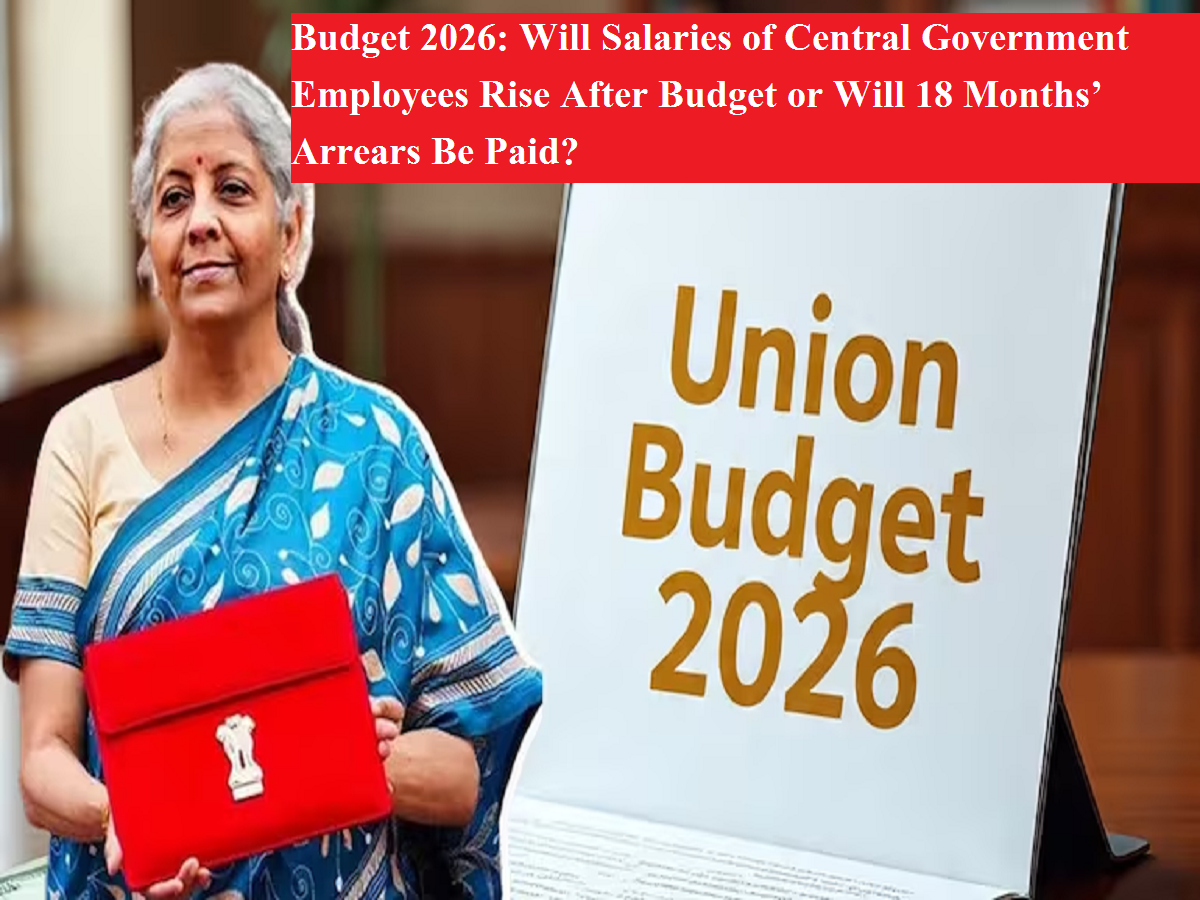
All eyes are now on the Union Budget 2026, to be presented by Finance Minister Nirmala Sitharaman. While an immediate salary hike announcement may be unlikely, employees are hoping for at least a clear roadmap on the 8th Pay Commission—whether it is the formation of the commission, a tentative timeline, or an assurance regarding arrears.
Bottom Line: Central government employees may not see an immediate salary hike after Budget 2026, but the possibility of receiving substantial arrears remains alive if the pay commission is implemented retrospectively. The budget is expected to clarify the government’s strategy, timelines, and financial preparedness. Until then, employees will need to stay patient and closely watch the announcements made on 1 February.
Disclaimer: This article is for informational purposes only. Final decisions regarding pay commissions and salaries will depend on official government notifications.