INTERNATIONAL
Brazil’s President Lula Sidelined Trump on Tariffs, Signals Stronger Ties With Modi, Putin, and Jinping

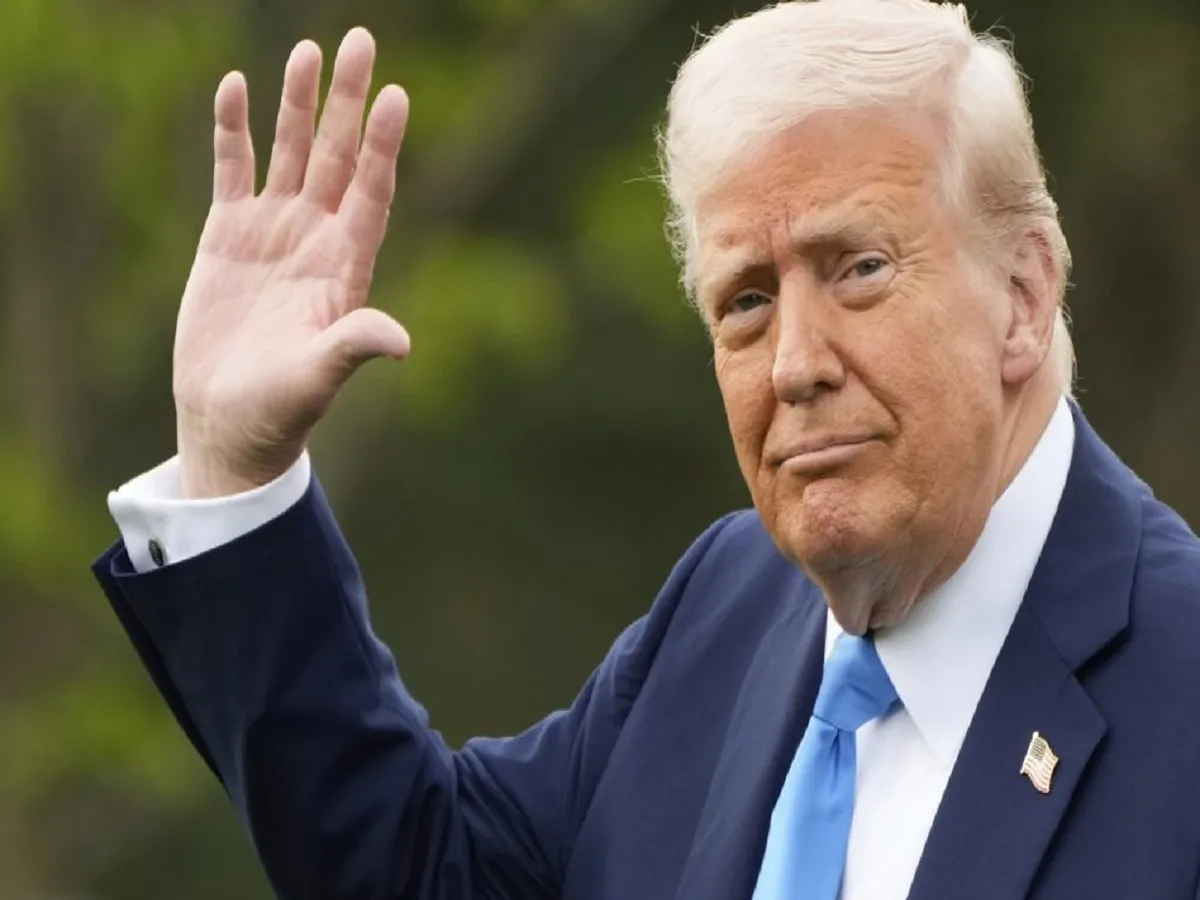
Amid a global debate over US tariffs, Brazil’s President Luiz Inácio Lula da Silva has firmly rejected overtures from former US President Donald Trump, making it clear he prefers to engage with leaders like Indian Prime Minister Narendra Modi. When asked about Trump’s reported willingness to take his call regarding trade disputes, Lula dismissed the idea outright, telling reporters he would not call Trump because “he does not want to listen.” Instead, Lula expressed an interest in building deeper business and strategic partnerships with Modi, Russian President Vladimir Putin, and Chinese President Xi Jinping, describing them as more receptive and “better than Trump” for mutual negotiations.
Lula emphasized that Brazil will only discuss tariff and trade issues with the US “face to face,” rather than submitting to pressure or compromising the country’s sovereignty. He underlined that any trade agreement should be based on mutual respect and equitable terms. This diplomatic posture is seen as part of a broader realignment, as many countries—including Brazil—rally behind India in the context of US-imposed tariffs, seeking greater independence in global trade discussions.
Lula’s chilly stance towards Trump is rooted in complex political and ideological differences. Lula accuses his domestic rival, former President Jair Bolsonaro (widely supported by Trump), of plotting to overthrow Brazil’s government at the apparent urging of the US. Trump has publicly praised Bolsonaro and reportedly lobbied on his behalf, while Bolsonaro now faces legal actions, including house arrest ordered by Brazilian courts.
Tensions between Trump and Lula are further compounded by Lula’s commitment to BRICS—a bloc including Brazil, Russia, India, China (but not South Korea)—which Trump has suggested exists to undermine US economic interests. Lula’s recent statements reinforce the view that Brazil is seeking to chart a more independent, multi-polar course, looking east and south for strategic partnerships and refusing to yield to US pressure.