TECH
Apple Pay finally arrives in India after 12 years: Here’s how you can make payments with your iPhone
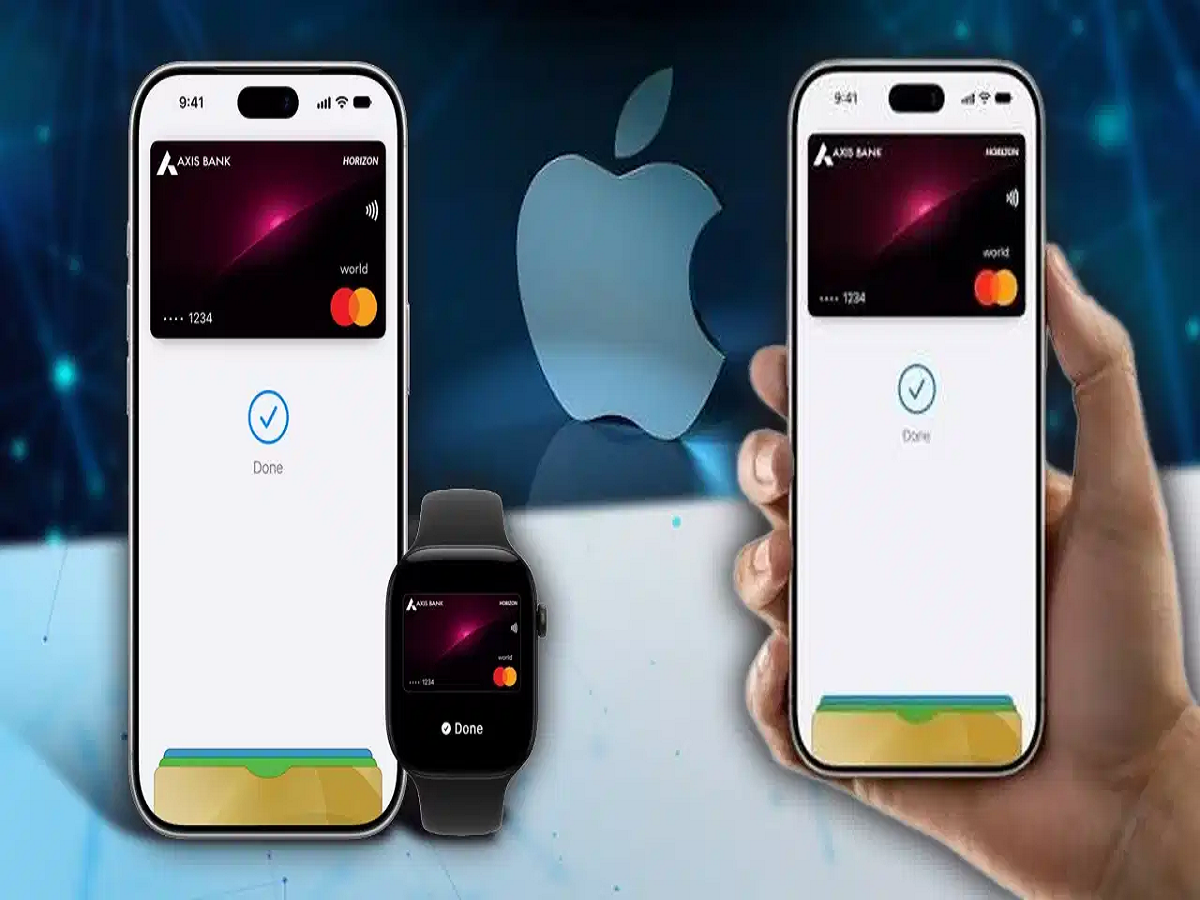
After years of waiting and speculation, Apple Pay has finally made its debut in India. Apple has launched its contactless payment service in the country, allowing eligible users to make payments using supported Apple devices.
Apple Pay was originally launched in the United States in September 2014. Its arrival in India nearly 12 years later marks a significant expansion of Apple's payment ecosystem in the country.
For now, the service has launched in partnership with Axis Bank, and support is limited to eligible Visa and Mastercard credit cards issued by the bank.
Which devices support Apple Pay?
Apple Pay can be used on select Apple devices, including compatible iPhones, iPads and Apple Watches.
At physical stores, users can make contactless payments by bringing their supported device close to an NFC-enabled point-of-sale (PoS) terminal.
Apple has also indicated that Mac support will be available in the future.
Where can you use Apple Pay?
Apple Pay can be used at participating stores that accept contactless card payments.
The process is simple: instead of taking out your physical credit card, you can use your iPhone or Apple Watch and tap it against a compatible NFC-enabled PoS machine.
The service can also be used for eligible online purchases and in-app transactions where Apple Pay is supported.
No need to enter your card PIN or OTP every time
One of the biggest conveniences of Apple Pay is that users don't generally need to enter their card details at the checkout.
After authenticating the payment on the Apple device, the user can bring it close to the NFC terminal to complete the transaction.
Apple's device authentication and security features are used to authorize the payment.
Your actual card number isn't stored on the device
Apple says that your actual card number isn't stored on the device or on Apple's servers for Apple Pay transactions.
Instead, Apple uses a unique Device Account Number (DAN). This number is stored in encrypted form in the device's Secure Element, a dedicated security component.
This means the merchant does not receive your actual card number when you make a payment using Apple Pay.
What about transaction privacy?
Apple says it does not store information about individual Apple Pay transactions that can be used to identify your purchases.
Payment processing involves the relevant parties, including the user, merchant and card issuer.
The system is designed so that sensitive card information is not unnecessarily exposed during a transaction.
How to add an Axis Bank card to Apple Pay
If you have an eligible Axis Bank Visa or Mastercard credit card, you can add it to Apple Pay through Apple Wallet.
Method 1: Through the Axis Bank app
Open the latest version of the Axis Bank app and follow the option to add your eligible card to Apple Wallet.
Follow the instructions displayed on the screen to complete the setup and verification.
Method 2: Through Apple Wallet
You can also add the card directly from your iPhone:
-
Open the Apple Wallet app.
-
Tap the '+' button.
-
Select the option to add a card.
-
Follow the on-screen instructions.
-
Complete the verification process required by the bank.
Once the card is successfully added, you can use your compatible Apple device for contactless payments at supported PoS terminals.
Which cards are currently supported?
At launch, Apple Pay in India supports eligible Visa and Mastercard credit cards issued by Axis Bank.
This means having an iPhone alone isn't enough to use Apple Pay. You also need a supported card from a participating bank.
Apple could expand support to additional banks and card networks in the future.
Apple Pay vs physical card
The biggest advantage of Apple Pay is convenience. You don't need to carry your physical card everywhere, and your actual card number isn't shared with the merchant during an Apple Pay transaction.
For Apple users with a supported Axis Bank card, the service provides another way to make quick contactless payments while keeping card credentials protected through Apple's security architecture.
For now, however, the biggest limitation is its restricted bank and card support. As more Indian banks join the platform, Apple Pay could become a much more widely used payment option in the country.