TECH
Android Gets New September Update: These New Features Can Help You Find Things and Avoid Motion Sickness
Google has rolled out its September 2026 Android update with several new features aimed at making smartphones more useful in everyday situations.
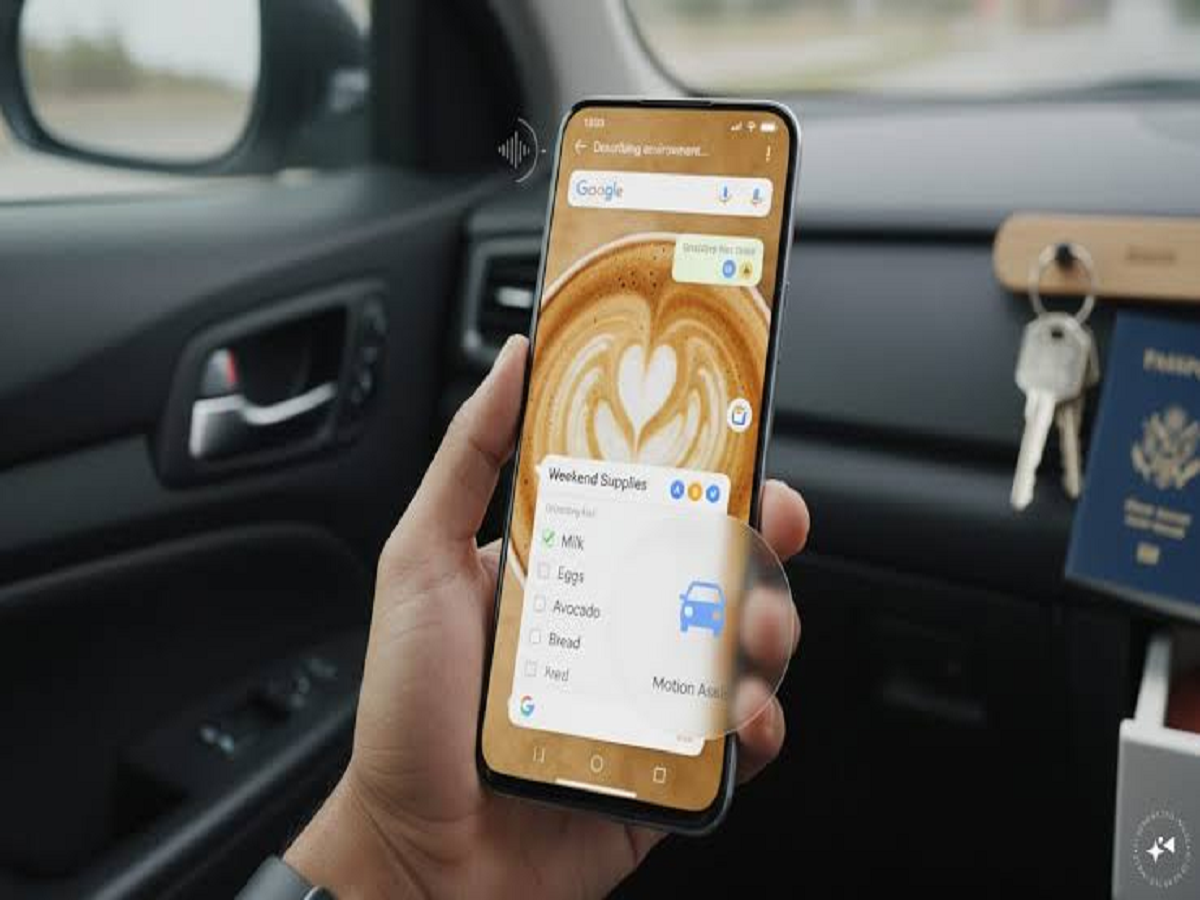
The latest Android Drop includes improvements to Find Hub, Gemini and accessibility features, along with a new Motion Assist feature designed to help reduce motion sickness while using a phone inside a moving vehicle.
Here are some of the most useful changes Android users should know about.
Your phone can help you remember where you left things
One of the most interesting additions is an improvement to Google's Find Hub.
The feature can now help users remember where they placed important items. This could be useful when you frequently misplace things such as bags, keys or other belongings that have compatible tracking devices attached to them.
Instead of simply searching for a lost item after it disappears, the feature is designed to make it easier to remember where an item was last placed.
New Motion Assist feature targets motion sickness
Many people experience discomfort or nausea when looking at their phone while travelling in a car or other moving vehicle.
Google's September Android update introduces Motion Assist, a feature designed to reduce this problem.
The technology uses visual cues on the screen that correspond with the movement of the vehicle. The idea is to help the eyes and brain better process the motion happening around the user.
This could make activities such as reading messages or browsing a phone during a journey more comfortable for some users.
Gemini gets more useful for everyday tasks
Google is also expanding the capabilities of Gemini across Android.
The September update includes improvements designed to make the AI assistant more useful when users need help understanding or interacting with information on their phones.
Google is increasingly integrating Gemini into Android rather than treating AI as a completely separate application.
This means future Android updates are likely to focus not just on new visual features but also on making the phone more capable of understanding what users are doing.
Why this update matters
Smartphone updates are increasingly becoming about practical features rather than simply changing the appearance of the operating system.
The September Android Drop is a good example. Features such as Motion Assist address a real problem for people who use their phones while travelling, while improvements to Find Hub can make misplaced belongings easier to locate.
Google's approach also shows how AI and contextual features are gradually becoming integrated into everyday smartphone functions.
Will every Android phone get all these features?
Not necessarily.
Android features can vary depending on the smartphone manufacturer, model, Android version and region. Some features may also require compatible hardware or supporting services.
Therefore, receiving the September Android update does not necessarily mean that every feature will appear on every Android smartphone.
How to check for the update
Android users can generally check for available system updates through their phone's Settings app.
If an update is available, make sure the phone has sufficient battery and storage before installing it. Some features may also arrive separately through Google system updates or individual app updates.
The bigger change coming to Android
Google's latest update shows how smartphone software is becoming increasingly focused on solving small but common problems.
From helping users remember where they placed belongings to making phone use more comfortable during travel, these features may not sound revolutionary individually, but they can make a noticeable difference in everyday use.
As Android continues to incorporate more AI and contextual technology, future updates could make smartphones increasingly capable of adapting to how and where people use them.