Airtel and Google have announced a strategic partnership aimed at protecting mobile users in India from spam and fraudulent messages. As part of this collaboration, the two companies will strengthen Rich Communication Services (RCS) messaging by integrating advanced AI-driven security features. The initiative is designed to closely monitor suspicious business messages and malicious links, making mobile messaging safer for users.
Under the partnership, Airtel will combine its telecom network intelligence with Google’s RCS messaging platform to enhance real-time message security. AI-based spam detection tools will be embedded directly into the RCS framework, allowing business communications to be analyzed as they are sent. This system will improve sender authentication and automatically pre-filter potentially harmful or deceptive messages, while still preserving RCS features such as high-resolution media sharing, typing indicators, and read receipts.
According to Airtel, its existing AI-powered anti-spam system has already blocked 71 billion spam calls and 2.9 billion spam SMS messages over the past 18 months, leading to a reported 68.7 percent reduction in financial losses across its network. Building on this foundation, the new RCS security setup will introduce multi-layer protection, including telecom-verified business sender identities, compliance with Do Not Disturb regulations, clear identification of promotional and transactional messages, and advanced filtering of suspicious links through layered threat detection.
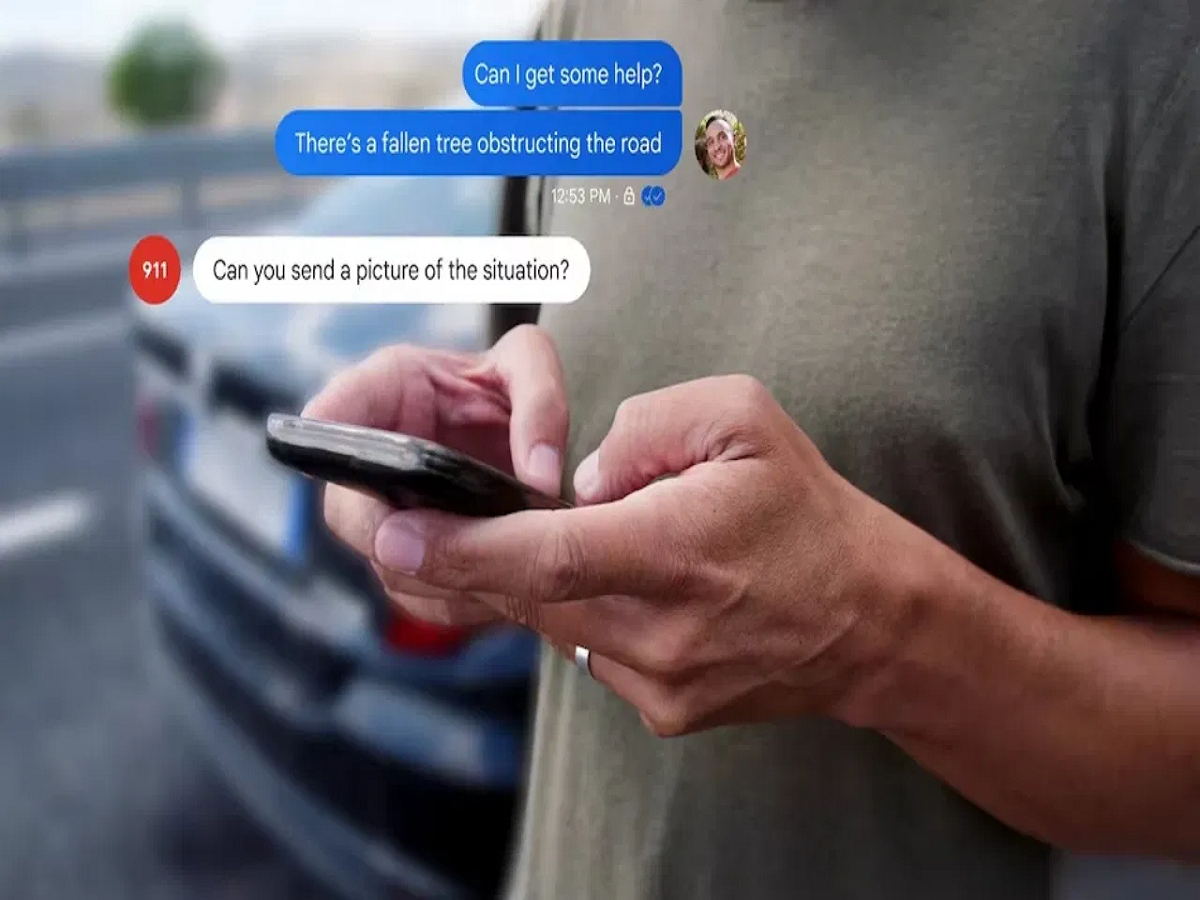
The enhanced RCS experience will be available exclusively to Android users via the Google Messages app. Both companies believe this collaboration highlights how telecom operators and technology platforms can work together to deliver stronger security than many over-the-top messaging services that lack telecom-grade safeguards. By improving trust and reliability in business messaging, the initiative is expected to strengthen India’s digital messaging ecosystem and could set a new benchmark for secure mobile communication in the future.