BUSINESS
AI Could End Long Queues at CNG Pumps! How Nawgati Is Turning Fuel Stations Into Smart Mobility Hubs
Long queues at CNG stations have become a frustrating reality for many drivers in India, particularly as demand for CNG-powered vehicles continues to grow. For commercial drivers, including cab operators, the time spent waiting to refuel can mean fewer trips and lower daily earnings.
Indian startup Nawgati is working to address this challenge by using artificial intelligence (AI), computer vision and data analytics to make fuel stations more efficient. Founded in 2019, the company aims to help drivers access useful information while enabling fuel station operators to manage their facilities more effectively.
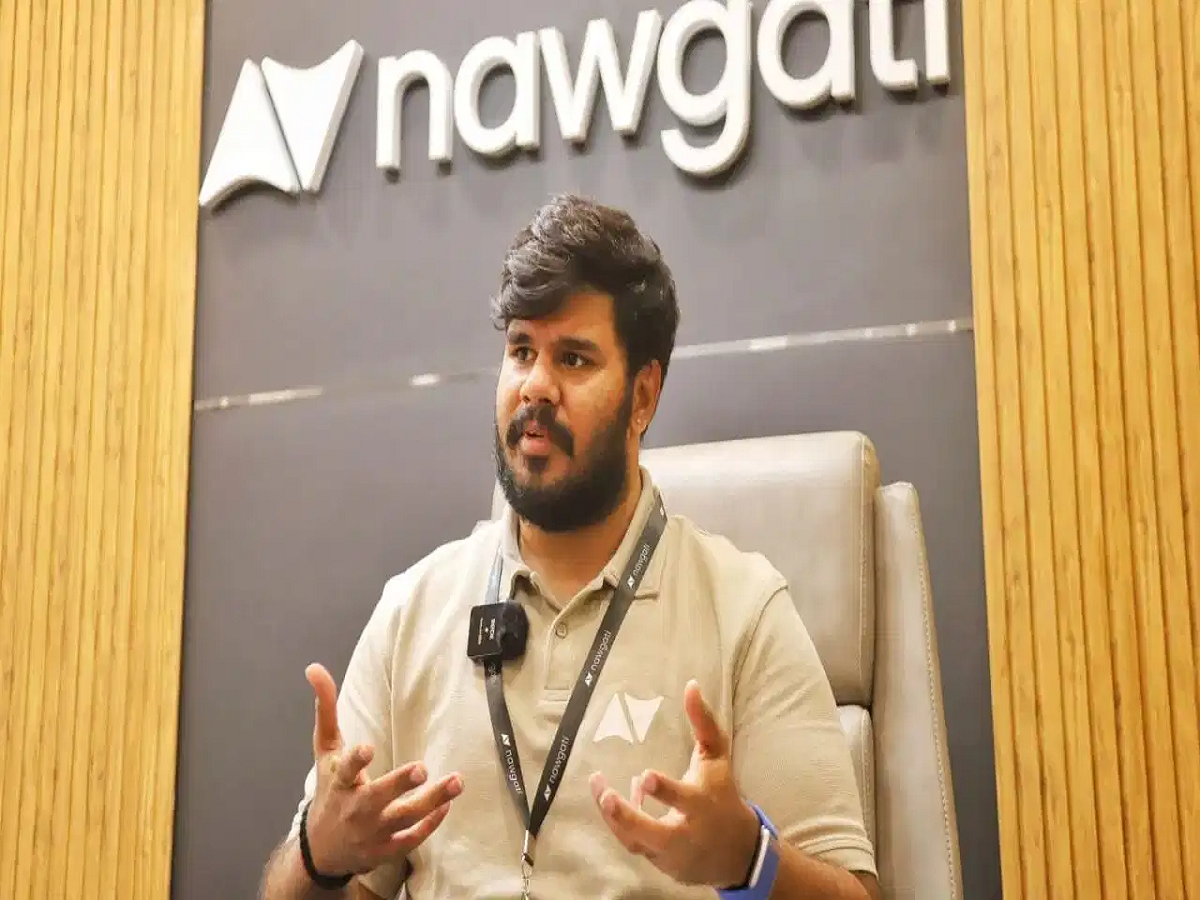
In an interview with TV9 Bharatvarsh, Nawgati co-founder and CEO Vaibhav Kaushik discussed the company's beginnings, its technology and its vision for India's mobility infrastructure by 2030.
1. How Did Nawgati Begin?
The idea behind Nawgati emerged from a real-world problem rather than market research alone.
During an internship in Noida in 2019, Vaibhav Kaushik regularly travelled in a CNG-powered cab. Conversations with drivers revealed how much time they spent waiting in queues at CNG stations.
According to Kaushik, some drivers spent around an hour every day waiting to refuel despite working approximately 10 hours on the road. This reduced the time available for earning money and completing trips.
The experience highlighted a problem affecting drivers across busy urban areas. Kaushik recognised that providing better information about fuel stations could help drivers make smarter decisions and avoid unnecessary waiting.
This observation became the foundation for Nawgati, which set out to use technology to improve the refuelling experience.
2. The Biggest Problem Is Not Always Fuel Availability
One of the challenges drivers face is the lack of reliable, real-time information about fuel stations.
A driver may reach a CNG station only to discover a long queue. Travelling to another station without knowing its current conditions can result in additional fuel consumption, lost time and further delays.
Nawgati aims to address this information gap by helping drivers identify stations, understand expected waiting times and access relevant details before starting their journey.
Better information could allow motorists to choose more convenient refuelling locations instead of relying entirely on guesswork.
For commercial drivers who refuel frequently, even modest reductions in waiting time could improve daily productivity.
3. How AI and Computer Vision Can Make Fuel Stations Smarter
Nawgati is developing technology that uses information from existing CCTV cameras and other station infrastructure to help operators understand what is happening at their facilities.
Computer vision can analyse camera footage to estimate the number of vehicles waiting, monitor queue movement and measure how long vehicles spend at different points in the refuelling process.
AI and data analytics can then help identify recurring congestion patterns and estimate when queues may become longer.
For example, if a station regularly experiences heavy demand at particular times, the system could help operators anticipate congestion and make operational adjustments.
The objective is to create a digital dashboard that provides a clearer picture of station activity without necessarily requiring operators to install expensive new equipment.
The effectiveness of such systems depends on factors including camera positioning, data quality and the reliability of the underlying technology.
4. Nawgati Is Also Targeting Fuel Station Operators
Although the company initially focused on helping drivers, it has expanded its approach to include the businesses operating fuel stations.
Its technology platform is designed around two broad areas.
The customer-facing side aims to provide useful information about fuel stations, including queues and other relevant details where available.
The business-facing side focuses on monitoring station operations, understanding vehicle movement and identifying potential bottlenecks.
This approach could help operators make better use of their existing infrastructure and identify opportunities to improve service.
For fuel retailers, improved operational visibility may support more efficient staffing, better queue management and a smoother customer experience. These outcomes, however, depend on how the technology is implemented and used at individual stations.
5. Why Is Bringing AI Into the Fuel Industry Challenging?
Introducing new technology into traditional industries involves more than developing a software solution.
According to Kaushik, building trust with fuel retailers is one of the biggest challenges. Businesses need evidence that a new system can deliver measurable improvements before changing established working practices.
Cost is another important consideration. Installing new machinery and replacing existing infrastructure can make technology adoption expensive, particularly for smaller operators.
Nawgati's approach of working with existing cameras and equipment is intended to reduce this barrier.
Demonstrating practical benefits at individual stations will be important for encouraging wider adoption across India's fuel retail network.
6. What Could India's Fuel Stations Look Like by 2030?
India's mobility infrastructure is expected to evolve as electric vehicles become more common and demand for different energy sources develops.
Kaushik believes fuel stations could gradually transform into connected, multi-energy hubs rather than serving only petrol, diesel and CNG vehicles.
Such locations could combine conventional refuelling facilities with electric vehicle charging and other energy services, depending on their infrastructure and business models.
Digital technology could also play a greater role in connecting fuel retailers, drivers and fleet operators. Real-time information could help businesses understand demand, plan operations and reduce avoidable delays.
While the pace of this transformation remains uncertain, the integration of digital systems into physical infrastructure could become an important part of the future mobility ecosystem.
7. Nawgati's Vision: A More Convenient Refuelling Experience
Nawgati's broader ambition is to make fuel stations connected mobility hubs that provide useful information to customers and operators.
For drivers, the ideal experience would involve knowing which station to visit, how long the expected wait might be and what relevant fuel information is available before leaving home.
For station operators, connected systems could provide greater visibility into vehicle movement and operational efficiency.
Achieving this vision across a large and diverse network of fuel stations will require reliable technology, cooperation from operators and access to accurate data.
Can AI Really Reduce Waiting Times at CNG Stations?
AI-powered systems could help reduce uncertainty, improve queue management and enable drivers to make more informed refuelling decisions. However, they cannot eliminate every delay, particularly when stations face capacity constraints, equipment problems or unexpected surges in demand.
Nawgati's approach highlights how technology can address everyday infrastructure challenges without necessarily requiring a complete physical overhaul.
If solutions like these are adopted widely and demonstrate measurable results, India's fuel stations could gradually become more connected, efficient and convenient for motorists. The larger opportunity lies not just in reducing queues, but in using data and AI to improve the overall experience of keeping vehicles moving.