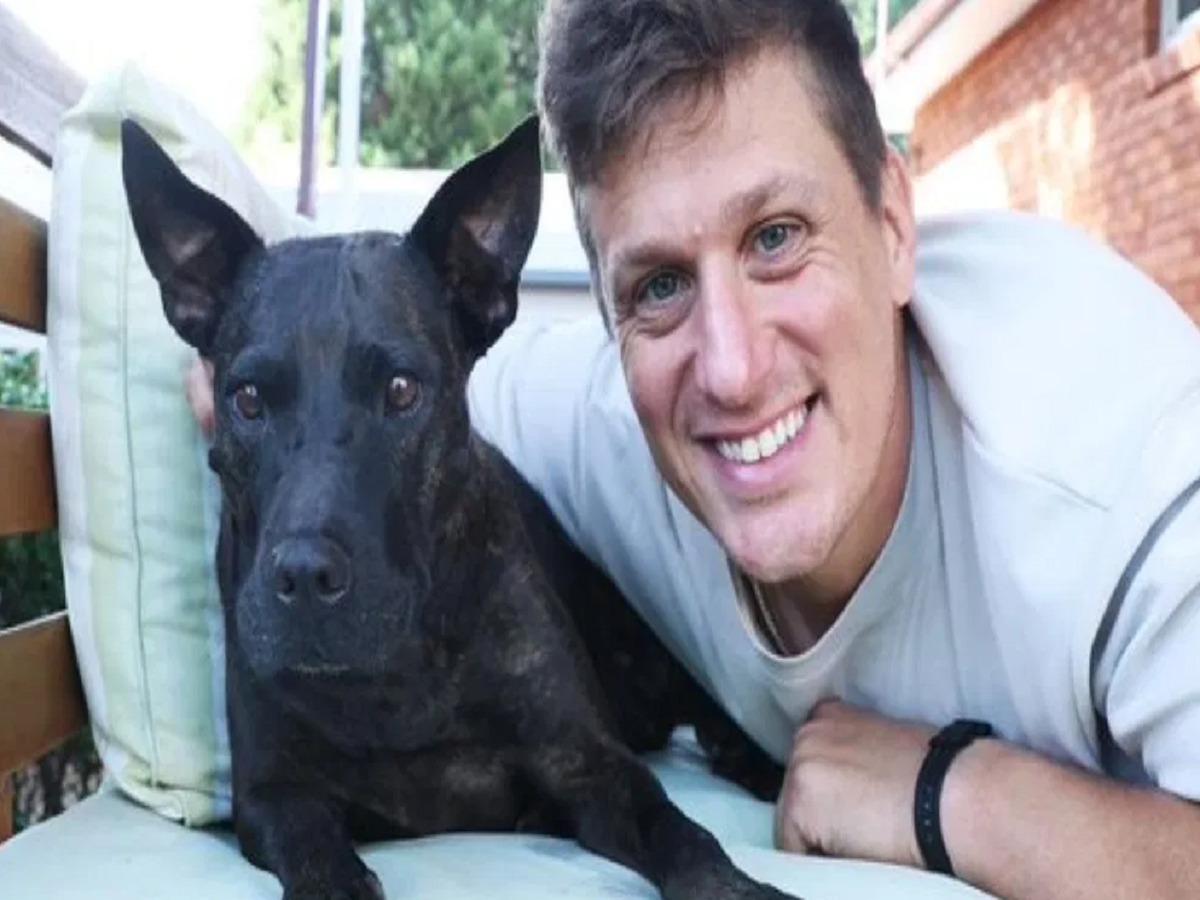
Artificial intelligence is no longer limited to software and technology; it is now showing remarkable potential in the field of medical science as well. In a surprising development, an Australian tech professional reportedly used advanced AI tools such as ChatGPT and AlphaFold to design a personalized cancer vaccine for his pet dog, significantly reducing the size of the tumor.
The case has attracted global attention and is widely being discussed across social media and the technology community.
Personalized cancer vaccine developed with AI
The innovation was carried out by Australian tech expert Paul Cunningham, whose dog Rose was diagnosed with cancer. According to reports, veterinarians initially told him that the dog had very little time left.
Refusing to give up, Cunningham turned to artificial intelligence to explore possible treatment options. Using ChatGPT, he created a step-by-step research plan to develop a personalized mRNA vaccine targeting the specific mutations causing the cancer.
He then began working with genomic data and scientific research papers to design a potential treatment approach.
DNA sequencing revealed key mutations
To better understand the disease, Cunningham collected a sample of the tumor and sent it for DNA sequencing at the UNSW Ramaciotti Centre for Genomics.
Once the genomic data was obtained, he processed it using several computational tools and algorithms to identify mutations responsible for the cancer. Based on these findings, he designed a blueprint for a custom mRNA vaccine tailored specifically to the dog’s tumor.
Tumor size reportedly reduced by nearly half
According to media reports, the experimental treatment was administered around Christmas last year. Within a short period, the size of the tumor reportedly reduced by nearly 50 percent, offering the dog a significantly improved quality of life.
However, Cunningham noted that the ethical approval process for the experimental treatment was far more challenging than developing the vaccine itself. To obtain permission for the trial in Australia, he reportedly worked two hours daily for nearly three months and prepared a 100-page documentation file.
Tech leaders react to the development
The unusual experiment drew reactions from several prominent figures in the tech industry. Greg Brockman, President of OpenAI, described it as a powerful example of how artificial intelligence can assist scientific research.
Meanwhile, Demis Hassabis, CEO of Google DeepMind, said technologies such as AlphaFold represent the future of digital biology.
Similarly, Aravind Srinivas, CEO of Perplexity AI, stated that AI-driven biological research could transform medical science in the coming years.
A glimpse into the future of AI-driven medicine
Experts believe this case highlights the growing role of artificial intelligence in personalized medicine, where treatments can be tailored to the genetic profile of a disease.
While the experiment was conducted in a highly unique situation and still requires scientific validation, it has sparked discussions about how AI could accelerate discoveries in healthcare, genomics, and cancer treatment in the future.