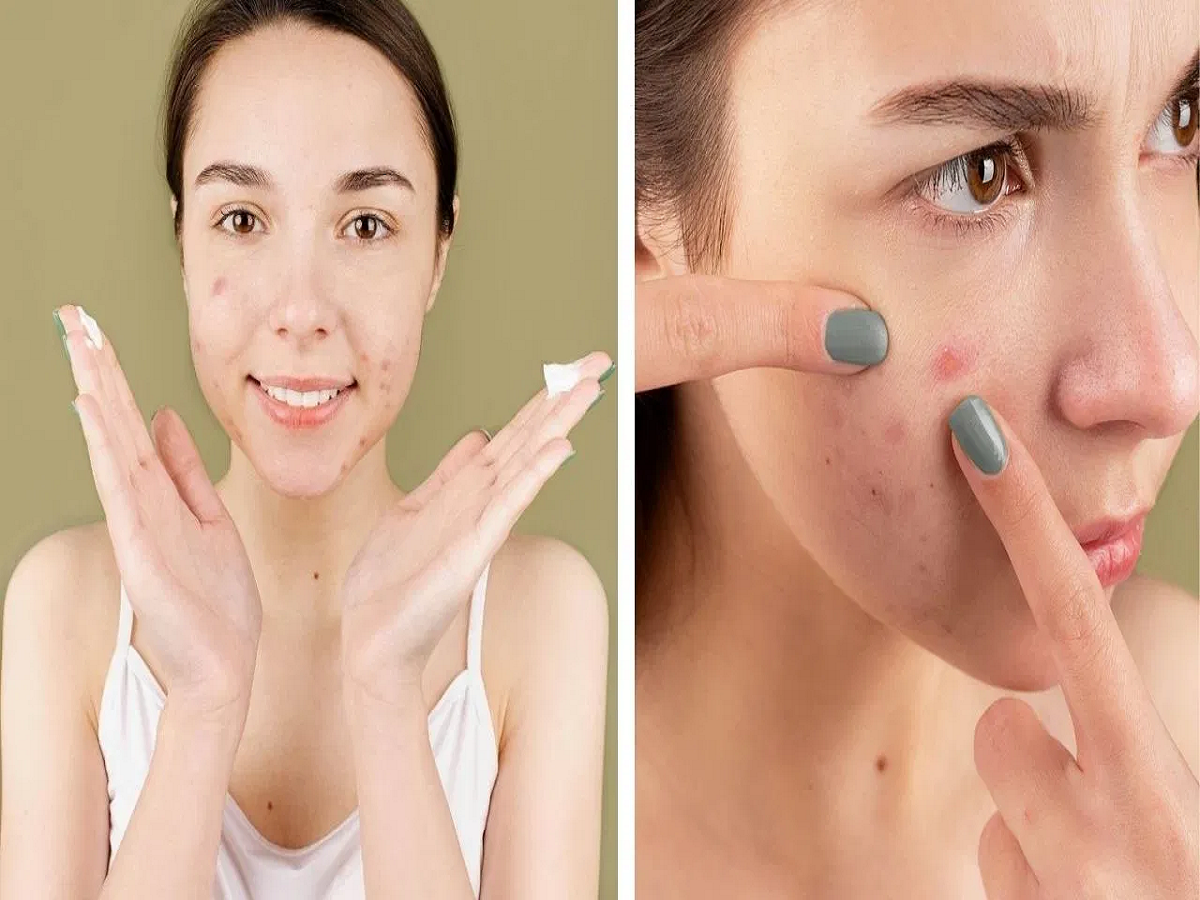
Acne has emerged as a common concern across age groups, affecting both men and women. Despite the widespread use of face washes, creams and home remedies, many people continue to struggle with recurring breakouts. This has led to a growing question: is acne merely a skin-related issue, or does it reflect deeper internal imbalances?
According to Ayurveda, skin problems—particularly acne—are often linked to the health of the digestive system. Poor digestion, constipation, acidity and the accumulation of toxins in the body are believed to manifest externally through the skin, resulting in pimples and inflammation.
What Ayurveda Says About Acne and the Stomach
Jaipur-based clinical Ayurveda expert Kiran Gupta explains that acne is closely associated with an imbalance of vata and pitta doshas. “When pitta increases, it generates excess heat in the body, which affects the skin and can lead to acne. Similarly, aggravated vata disrupts digestion and elimination, worsening the condition,” she says.
People with dominant pitta and vata tendencies are considered more prone to acne. Hormonal imbalances, particularly irregular menstrual cycles in women, may further aggravate the problem.
Dietary habits also play a crucial role. Excessive consumption of oily, spicy and processed foods, along with inadequate water intake, can disturb digestion and increase body heat. Ayurveda emphasises keeping the digestive system “cool and balanced” to maintain healthy skin.
Balancing Vata and Pitta
Ayurveda focuses on diet, routine and lifestyle to correct dosha imbalances. Aggravated vata may cause dryness, gas, restlessness and joint discomfort, while excessive pitta can lead to acidity, irritation, sweating and skin eruptions.
To restore balance, experts recommend consuming cooling, fresh and easily digestible foods such as ghee, milk, rice, moong dal, bottle gourd, ridge gourd and cucumber. At the same time, spicy, sour, fried foods, excess salt, tea, coffee and alcohol should be avoided.
Maintaining a disciplined routine—eating meals on time, sleeping adequately and engaging in light physical activity—is also considered essential for long-term improvement.
Ayurvedic Home Remedies for Acne
Neem Leaves:
Neem is known for its antibacterial properties. Boiling neem leaves in water and using the cooled water to wash the face once or twice daily may help reduce acne-causing bacteria.
Aloe Vera Gel:
Fresh aloe vera gel has soothing and anti-inflammatory properties. Applying it to affected areas at night may help calm inflammation and reduce blemishes.
Turmeric and Sandalwood:
A paste made with sandalwood powder, a pinch of turmeric and rose water can be applied to the face twice a week. This traditional remedy is believed to help control oiliness and improve skin clarity.
Dietary Care:
Experts stress that skincare begins with diet. Reducing junk food intake, eating plenty of fruits and green vegetables, and drinking adequate water are considered essential steps in managing acne.
A Holistic Approach
Ayurveda views acne not just as a cosmetic issue, but as a signal of internal imbalance. Addressing digestion, diet and daily habits, along with topical care, is believed to offer more sustainable relief than surface-level treatments alone.