Owned by Meta, WhatsApp has grown into one of the most popular messaging apps globally, connecting billions of users every day. From personal conversations to business communication, the platform plays a vital role in daily digital interactions.
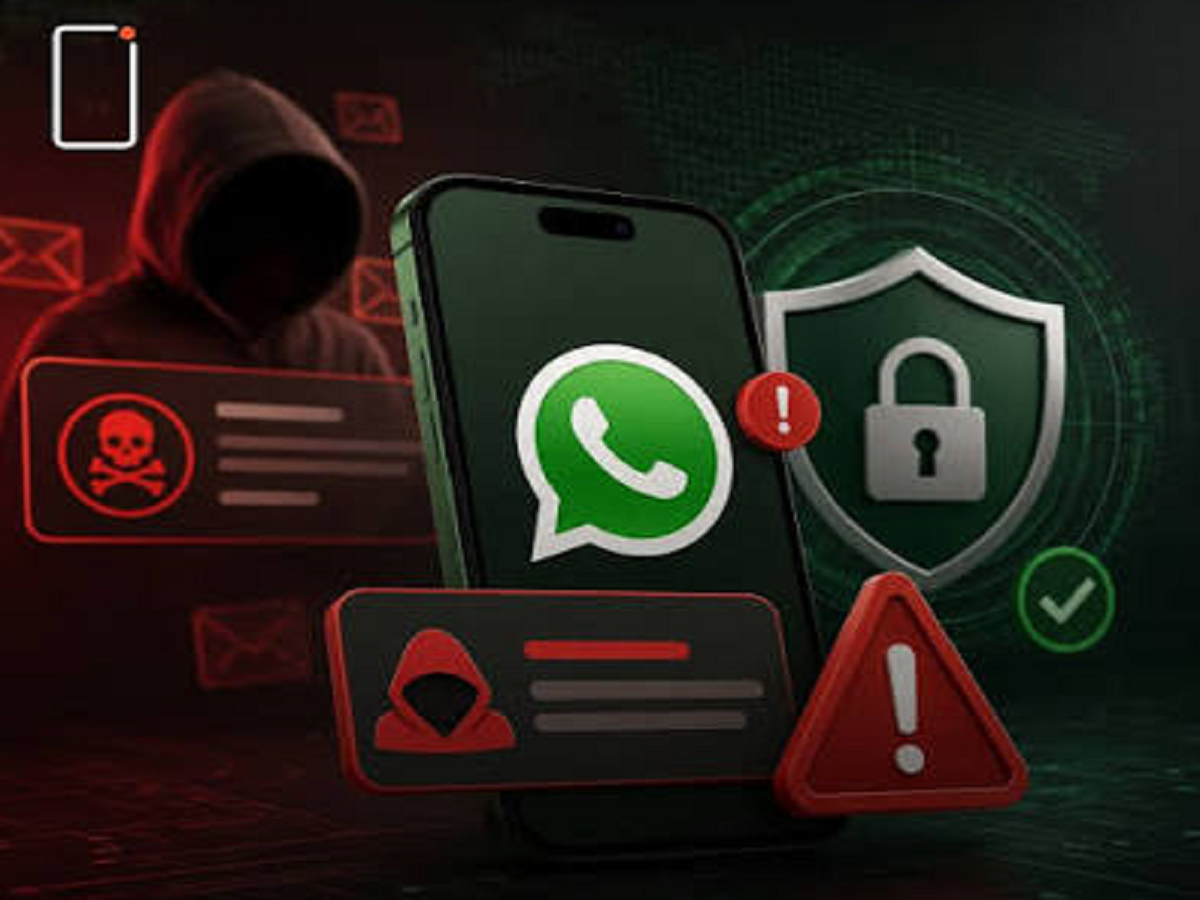
However, with rising popularity comes increased risk. Cybercriminals frequently target messaging apps through phishing scams, account takeover attempts, and privacy breaches. That makes it more important than ever to take proactive steps to secure your WhatsApp account.
Here are five essential tips to help you strengthen your account security and protect your personal data.
1️⃣ Lock Your Private Chats for Extra Protection
If you have sensitive or personal conversations, WhatsApp allows you to lock specific chats with an added layer of security.
How it works:
Locked chats are moved to a separate “Locked Chats” folder and hidden from your main chat list. Once enabled, the chat automatically closes when you lock your device.
On Android & iOS:
-
Swipe left on the chat (iOS) or tap and hold (Android)
-
Select More Options
-
Tap Lock Chat or Unlock Chat
On Web & Windows:
-
Right-click on the chat
-
Choose Lock Chat or Unlock Chat
You can even create a secret code and hide the locked chats folder entirely. Importantly, other participants in the chat are not notified when you enable this feature.
2️⃣ Manage Who Can See Your Profile Photo
Your profile photo appears in notifications when someone receives your message — unless you change your privacy settings. Controlling who can view your display picture helps prevent misuse or impersonation.
To update profile photo privacy:
Android:
-
Tap More Options
-
Go to Settings > Privacy > Profile Photo
-
Choose from:
-
Everyone
-
My Contacts
-
My Contacts Except…
-
Nobody
-
iOS:
-
Tap Settings
-
Select Privacy > Profile Photo
-
Choose your preferred visibility option
Limiting visibility to trusted contacts can significantly reduce unwanted exposure.
3️⃣ Enable App Lock with Biometric Security
Adding biometric protection is one of the simplest yet most effective security measures.
WhatsApp allows you to enable:
-
Fingerprint or Face Recognition (Android)
-
Touch ID or Face ID (iOS)
-
Password protection (Web)
When enabled, you’ll need biometric authentication or a password to open the app. Even if someone gains access to your unlocked phone, they won’t be able to open WhatsApp without verification.
Notably, you can still:
-
Reply to messages from notifications
-
Answer voice and video calls
This ensures convenience without compromising security.
4️⃣ Use ‘View Once’ for Sensitive Media and Voice Messages
For private photos, videos, or voice notes, consider using WhatsApp’s View Once feature.
What happens with View Once?
-
Media disappears after being opened once
-
Files are not saved to the recipient’s gallery
-
Screenshot and screen recording are restricted
This feature adds an extra layer of confidentiality, especially when sharing sensitive content.
However, always remember: digital content can still be captured externally, so share responsibly.
5️⃣ Control Who Can See and Reshare Your Status
By default, your WhatsApp Status updates are visible to all your saved contacts. But you can customise who sees them.
You can:
-
Create a specific Status audience
-
Exclude selected contacts
-
Mention individuals or groups
Keep in mind:
-
People or groups you mention may reshare your status
-
You can mention users even if they are not saved in your contacts
Adjusting status privacy ensures your updates reach only your intended audience.
🛡 Final Thoughts
As cyber threats continue to evolve, securing your WhatsApp account should be a priority. Features like chat lock, biometric authentication, profile photo controls, view-once media, and customised status privacy can significantly reduce risks.
While WhatsApp provides built-in safety tools, user awareness remains the strongest defence. Regularly review your privacy settings, avoid sharing verification codes, and stay cautious of suspicious messages or links.
Taking these small but powerful steps today can help keep your conversations and personal information safe tomorrow.