INTERNATIONAL
3 Jaish Terrorists Enter India Again: Why Nepal Is the Softest Route for Pakistani Terrorists
An alert has been sounded in Bihar after intelligence inputs revealed that three Jaish-e-Mohammed terrorists — Usman, Hasnain Ali, and Adil Hussain — have infiltrated into India through Nepal. This is not the first time such a breach has been reported. From 2013 to 2025, at least six Pakistani terrorists have been arrested along the Nepal border, including high-profile names like Yasin Bhatkal, Abdul Karim Tunda, and Tahseen Akhtar.
The recurring question is: Why is the Nepal route so vulnerable?
A Long, Open Border
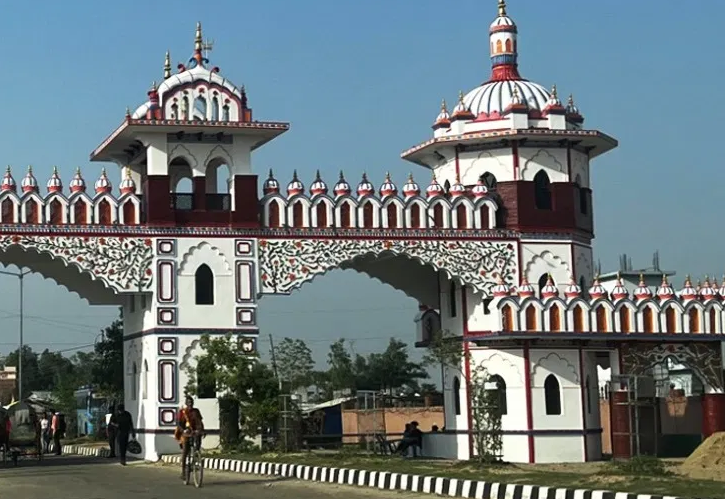
India shares a 1,751 km-long border with Nepal, touching key states like Bihar, Uttar Pradesh, and Uttarakhand. Unlike the Pakistan and China borders, which are heavily fenced and militarized, the India–Nepal border is open and porous.
There are:
-
23 official trade checkpoints, out of which 6 allow third-country nationals.
-
Around 25 smaller checkpoints managed only by customs officers.
-
Hundreds of unfenced stretches of forests and rivers that can be crossed without scrutiny.
This free movement, a result of deep historical, cultural, and family ties between India and Nepal, makes infiltration much easier.
How Terrorists Exploit Nepal
-
Pakistani Passports Turned Nepali:
Pakistani terrorists often land in Nepal as “tourists.” With the help of local networks, they acquire fake Nepali passports, which allow them to blend in and cross into India legally. Terrorists caught in 2024 and early 2025 were found carrying Nepali documents. -
Smuggling Networks as Gateways:
The Indo-Nepal border is notorious for smuggling — from alcohol and drugs to food grains. Terrorists piggyback on these smuggler routes to avoid detection. In 2023 alone, 2,241 smugglers were arrested; the numbers have only risen in 2024–25, especially in Kishanganj, Araria, and Madhubani. -
Weak Surveillance:
Security is mainly handled by the Sashastra Seema Bal (SSB). With no fencing, vast rural terrain, and riverine patches, monitoring every inch of the border is practically impossible.
History of Terror via Nepal
-
1999 Kandahar Hijack: The IC-814 flight hijacked by Pakistani terrorists took off from Kathmandu. Passengers were held hostage, and India was forced to release Masood Azhar, Umar Sheikh, and Mushtaq Zargar.
-
2013 Yasin Bhatkal Arrest: The Indian Mujahideen co-founder was caught on the Nepal border, highlighting the route’s use as a terror corridor.
-
2016 Nagrota Attack: According to The Hindu, terrorists who struck the military camp had entered via Nepal.
Why Nepal Route Is Still Attractive
-
Visa-free movement for Indians and Nepalese makes cross-border travel routine and hard to police.
-
Nepal’s ties with Pakistan allow Pakistani nationals relatively easy entry.
-
Lack of fencing or strict checks makes it a safer bet compared to the Punjab or Kashmir border, where surveillance is tight.
The Bigger Picture
India has fortified its borders with Pakistan and China, but the Nepal corridor remains the Achilles’ heel. Every few years, arrests and infiltrations expose the same loophole: a long, open border, weak surveillance, and thriving smuggling routes.
Unless fencing or advanced surveillance tech is introduced here, Pakistani terror groups will keep exploiting the soft underbelly of Indian security.