TECH
Your Phone Can Now Do More Than You Think: How Satellite Connectivity Could Keep You Connected Without Mobile Network
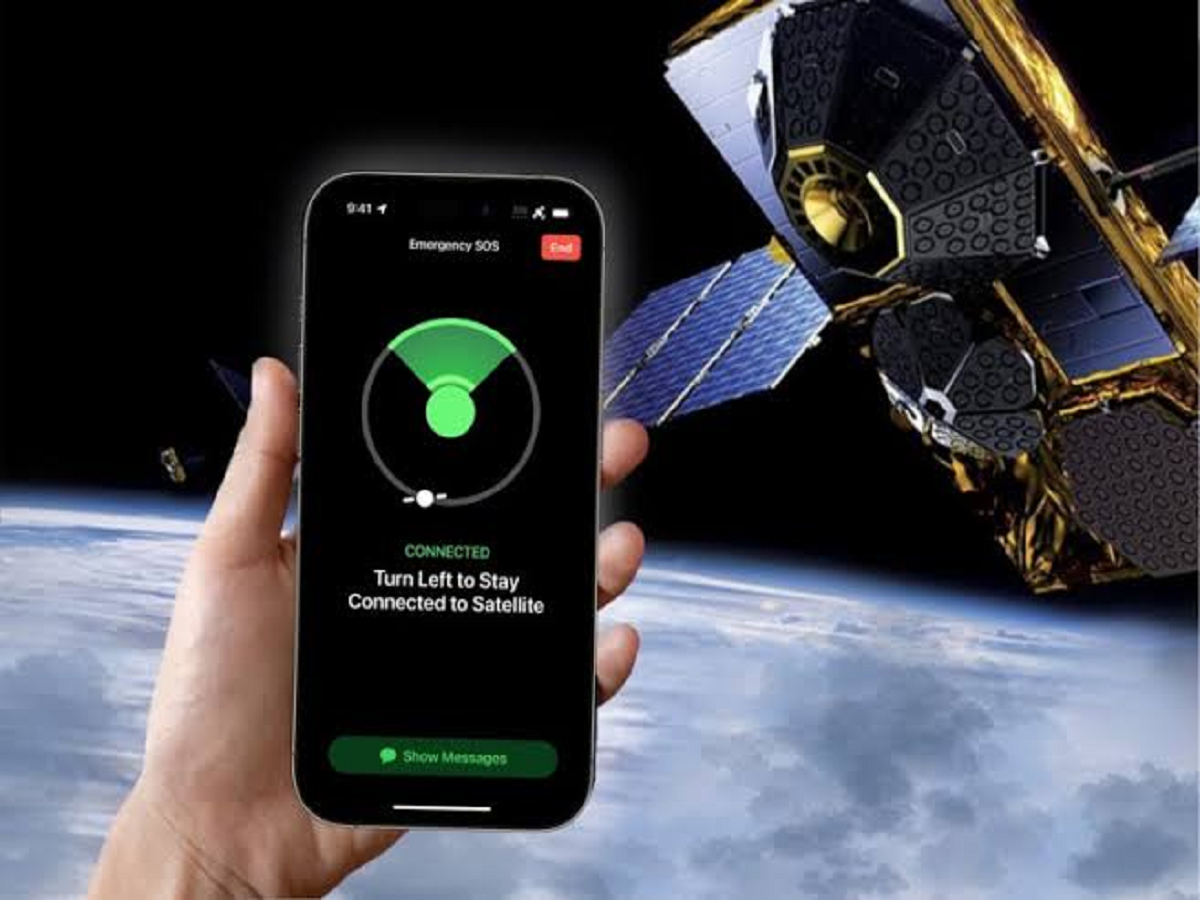
Imagine getting stranded in an area where there is no mobile tower and still being able to send an emergency message from your smartphone. Satellite connectivity is gradually making this possible, and it could become one of the most useful features in future smartphones.
Unlike traditional mobile networks that depend on nearby towers, satellite communication can connect compatible devices directly with satellites in orbit. This technology is particularly useful in remote areas, during natural disasters, or when conventional communication networks are unavailable.
How does satellite connectivity work?
Traditional smartphones connect to cellular towers using radio signals. Satellite-enabled communication works differently.
A compatible phone can communicate directly with a satellite when there is a clear enough view of the sky. The satellite then relays the information through the relevant network infrastructure.
Because the phone needs to establish a connection with a satellite moving high above Earth, the process can take longer than sending a normal cellular message.
Emergency messaging is one of the biggest uses
One of the most practical applications of satellite connectivity is emergency communication.
If someone is hiking, travelling through a remote region, or caught in an area where mobile networks have stopped working, satellite messaging can potentially provide a way to contact emergency services or share their location.
This could become particularly valuable during floods, earthquakes, cyclones and other situations where cellular infrastructure may be damaged or overloaded.
You may not need a satellite phone
Satellite communication traditionally required specialised equipment such as satellite phones or dedicated satellite messengers.
Newer smartphone technologies are changing that.
Some modern smartphones already support limited satellite-based emergency services. Instead of carrying a separate satellite device, users can access certain satellite features directly through a compatible phone.
However, satellite functionality varies significantly between manufacturers, countries and mobile networks.
Satellite connectivity isn't the same as normal mobile internet
One important misconception is that satellite connectivity will immediately allow smartphones to stream videos or browse the internet anywhere.
Most current smartphone satellite features are designed for specific, low-bandwidth functions such as emergency messaging, location sharing or short text communication.
Satellite communication has limitations related to bandwidth, satellite availability, weather conditions, antenna positioning and network coverage.
Full-speed satellite internet on a smartphone is a much more difficult technical challenge.
The phone may need a clear view of the sky
Unlike cellular communication, where nearby towers can provide coverage indoors and in cities, satellite communication generally works best when the phone has a relatively unobstructed view of the sky.
Buildings, mountains, dense forests and other obstacles can interfere with the connection.
Some satellite-enabled phones therefore provide on-screen guidance to help users point or position the device correctly while establishing a satellite connection.
Could satellite connectivity become available in India?
Satellite communication is becoming an important part of the global telecommunications industry, and India is also developing its satellite and space-based communication ecosystem.
However, availability of specific smartphone satellite services depends on regulatory approvals, network operators, satellite providers and device support.
Therefore, consumers should not assume that a satellite feature available on a phone in another country will automatically work in India.
What happens when mobile networks fail?
This is where satellite connectivity could become particularly important.
During major disasters, cellular networks can become unavailable because towers lose power, infrastructure is damaged, or networks become overloaded.
A satellite-based emergency communication system can provide an alternative path for sending essential information when traditional networks are unavailable.
It could therefore become an important backup rather than a replacement for mobile networks.
The future could bring more satellite features
As satellite technology improves and smartphone hardware becomes more capable, the range of services available through satellite connections could expand.
Future devices may offer more reliable messaging, location services and potentially limited data connectivity in areas without conventional mobile coverage.
For consumers, the biggest advantage is simple: your phone could remain useful even when there is no mobile tower nearby.
Satellite connectivity is still developing, but it could eventually turn the smartphone into a much more reliable communication tool — especially when you are far away from cities or facing an emergency.