TECH
Your Phone Battery Could Last Much Longer in the Future: New Battery Technology Is Changing Smartphones
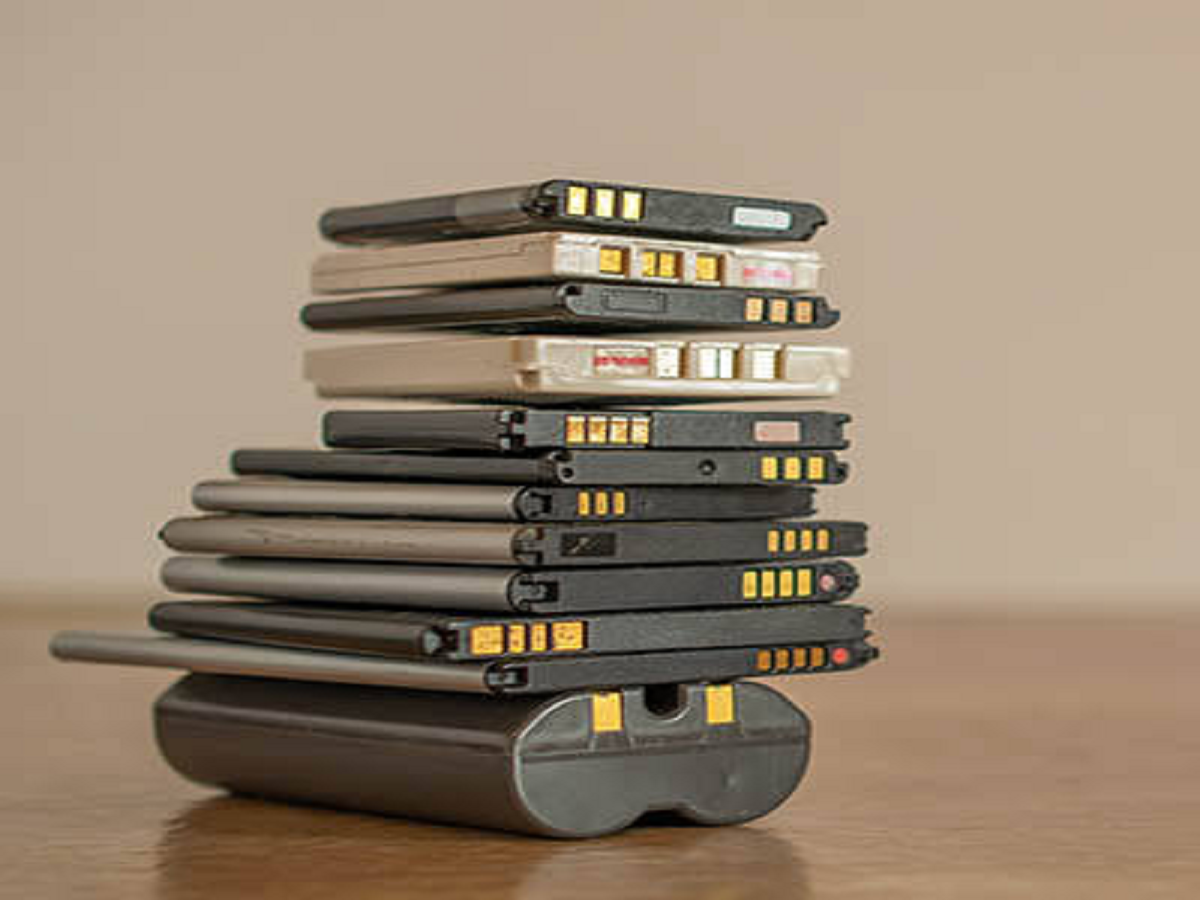
Smartphone processors are becoming faster, displays are getting brighter, and cameras are becoming more powerful. But one problem has remained difficult to solve: battery life.
Even with improvements in software and power efficiency, heavy users often need to charge their phones every day. Now, advances in battery materials and charging technology could change how smartphones handle power in the coming years.
Why are smartphone batteries still a problem?
Modern smartphones perform tasks that were once handled by computers. High-resolution displays, powerful processors, 5G connectivity, gaming, cameras and AI features can all consume significant amounts of energy.
At the same time, manufacturers have limited space inside a thin smartphone. Increasing battery capacity without making the device much larger is therefore a major engineering challenge.
Silicon-carbon batteries are gaining attention
One technology receiving significant attention is the silicon-carbon battery.
Traditional lithium-ion batteries commonly use graphite in their anodes. Silicon can theoretically store considerably more lithium than graphite, which creates the possibility of higher energy density.
By combining silicon with carbon-based materials, manufacturers can potentially increase battery capacity while maintaining a practical size.
This technology has already started appearing in some smartphones, particularly in markets where manufacturers are competing heavily on battery capacity.
Bigger batteries without much thicker phones
Higher energy density could allow manufacturers to fit more battery capacity into approximately the same physical space.
For consumers, that could mean smartphones with larger batteries without necessarily becoming dramatically thicker or heavier.
Instead of simply increasing the physical size of the battery, manufacturers can attempt to store more energy in the same amount of space.
Faster charging is another major development
Battery capacity is only one part of the equation. Charging speed has also improved considerably.
Some modern smartphones can recharge a large portion of their battery in a relatively short time using high-wattage wired charging.
The advantage is simple: even if your phone runs low during the day, you may not need to keep it connected to a charger for hours.
However, charging speed depends on the phone, charger, cable, battery temperature and charging technology being used.
AI could also improve battery life
Artificial intelligence may play another role in improving smartphone battery endurance.
Modern phones can analyse usage patterns and adjust power consumption based on which applications are being used and how the device is being used.
For example, background activities that are not important at a particular moment can be restricted, while performance can be prioritised for demanding applications.
As on-device AI becomes more sophisticated, power management could become increasingly personalised.
Battery health remains important
Even a large battery will gradually lose capacity after repeated charging cycles.
Heat is one of the factors that can accelerate battery degradation. High temperatures can place additional stress on battery components, particularly during demanding tasks or fast charging.
Using a suitable charger, avoiding unnecessary overheating and keeping the phone within recommended operating conditions can help maintain battery health.
Could phones eventually last several days?
For light and moderate users, improvements in energy density, processor efficiency, display technology and software optimisation could make multi-day battery life more realistic.
However, heavy gaming, continuous video recording, high-brightness displays and intensive AI processing can still consume significant amounts of energy.
The goal is therefore not just to build a bigger battery but to make the entire smartphone more energy-efficient.
What will the future battery look like?
The next major improvement in smartphones may not be a completely new battery chemistry arriving overnight. Instead, consumers are likely to see gradual improvements through better materials, higher energy density, faster charging, improved thermal management and more intelligent power management.
As manufacturers continue to compete on battery life, smartphones could eventually offer significantly longer usage between charges without becoming much larger.
For consumers, that could mean one of the biggest smartphone frustrations — constantly searching for a charger — becomes much less common.