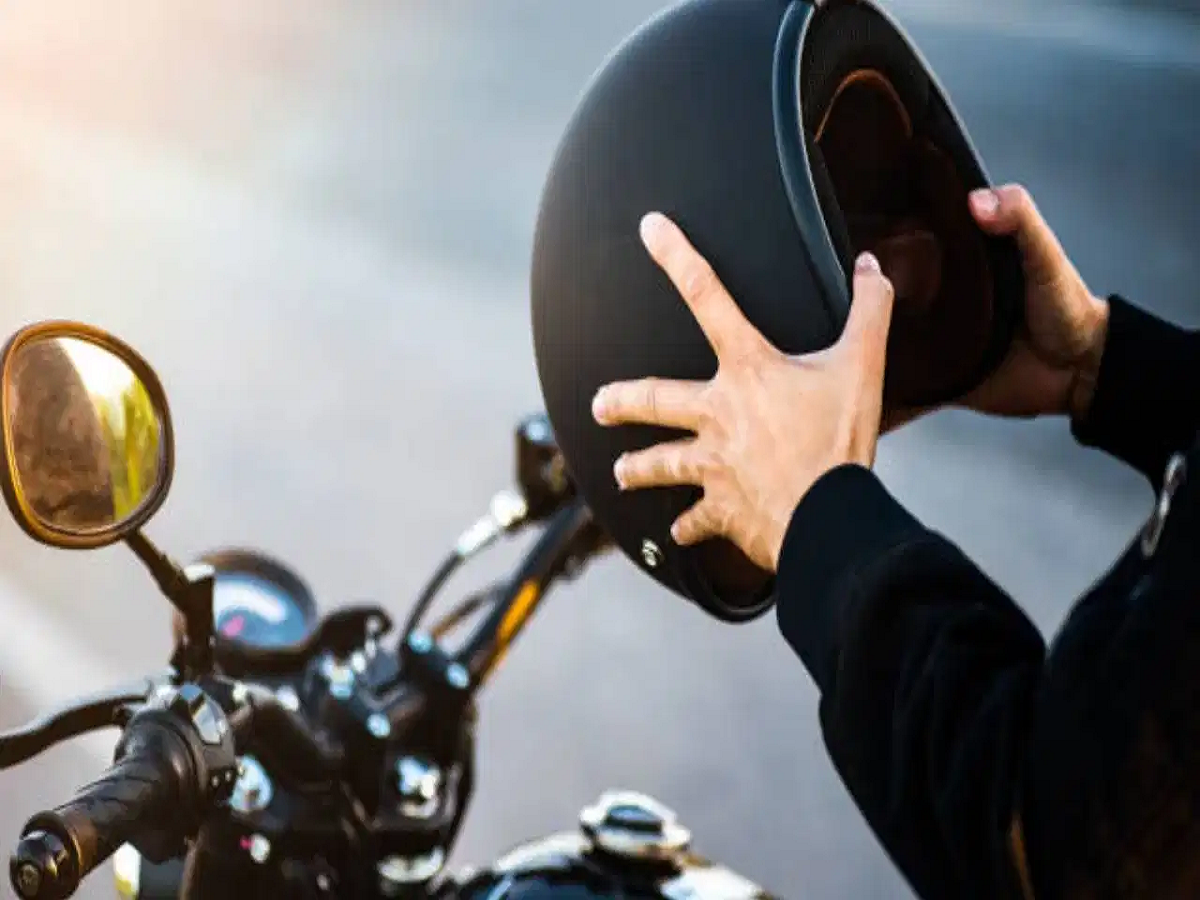
A helmet is one of the most important safety accessories for anyone riding a motorcycle or scooter. However, many riders continue using the same helmet for years simply because it still looks perfectly fine from the outside.
But a helmet's appearance does not tell the whole story. The materials inside it can gradually deteriorate with age and regular use, potentially reducing its ability to protect your head during an accident.
Why Should You Replace an Old Helmet?
The main purpose of a helmet is to absorb and reduce the impact of a crash. Over time, the inner padding, liner and other components can lose their original shape and effectiveness.
Regular use can also cause the helmet to become loose or uncomfortable. Sweat, moisture and everyday wear can affect the inner materials, while the chin strap and other components may also become worn.
This means that a helmet that looks fine on the outside may not provide the same level of protection as when it was new.
A Helmet Can Be Damaged Even Without Visible Cracks
Another important point is that a helmet does not always show obvious signs of damage after an impact.
If your helmet has been involved in a crash, has fallen heavily or suffered a significant impact, its internal protective structure may have been compromised even if there are no major marks on the exterior.
For this reason, continuing to use a helmet after a serious impact can be risky.
What About a Helmet That Is More Than Five Years Old?
There is no universal replacement interval that applies to every helmet, so riders should follow the replacement guidance provided by the helmet manufacturer.
However, a helmet that has been in regular use for around five years deserves careful inspection, and replacement may be appropriate depending on its condition and the manufacturer's recommendations.
Pay particular attention to the following signs:
-
The inner padding has become loose, compressed or damaged.
-
The helmet no longer fits securely.
-
The chin strap or buckle is worn or malfunctioning.
-
The outer shell has cracks or significant damage.
-
The helmet has been involved in an accident or hard impact.
-
The helmet has deteriorated because of prolonged exposure to heat, sunlight, sweat or chemicals.
If you notice any of these issues, replacing the helmet is safer than continuing to use it.
A New Helmet Can Also Be More Comfortable
Replacing an old helmet is not only about protection. Modern helmets can also offer improvements in comfort and everyday usability.
Newer designs may provide better ventilation, improved padding, lighter construction and a more secure fit. A properly fitted helmet can be noticeably more comfortable during longer rides.
Don't Choose an Old Helmet Just to Save Money
Some riders continue using an old or damaged helmet to avoid spending money on a replacement. However, a helmet should never be treated as an optional accessory.
A properly fitted, good-quality helmet can play a crucial role in protecting your head during a crash. When buying a replacement, make sure it fits correctly and meets the applicable safety standards for your market.
Your helmet is designed to protect one of the most important parts of your body. If it has suffered a serious impact, shows significant wear or has reached the replacement period recommended by its manufacturer, don't take unnecessary risks—replace it.