BUSINESS
Your Electricity Bill Could Reveal Hidden Savings: 7 Smart Ways to Reduce Power Consumption at Home
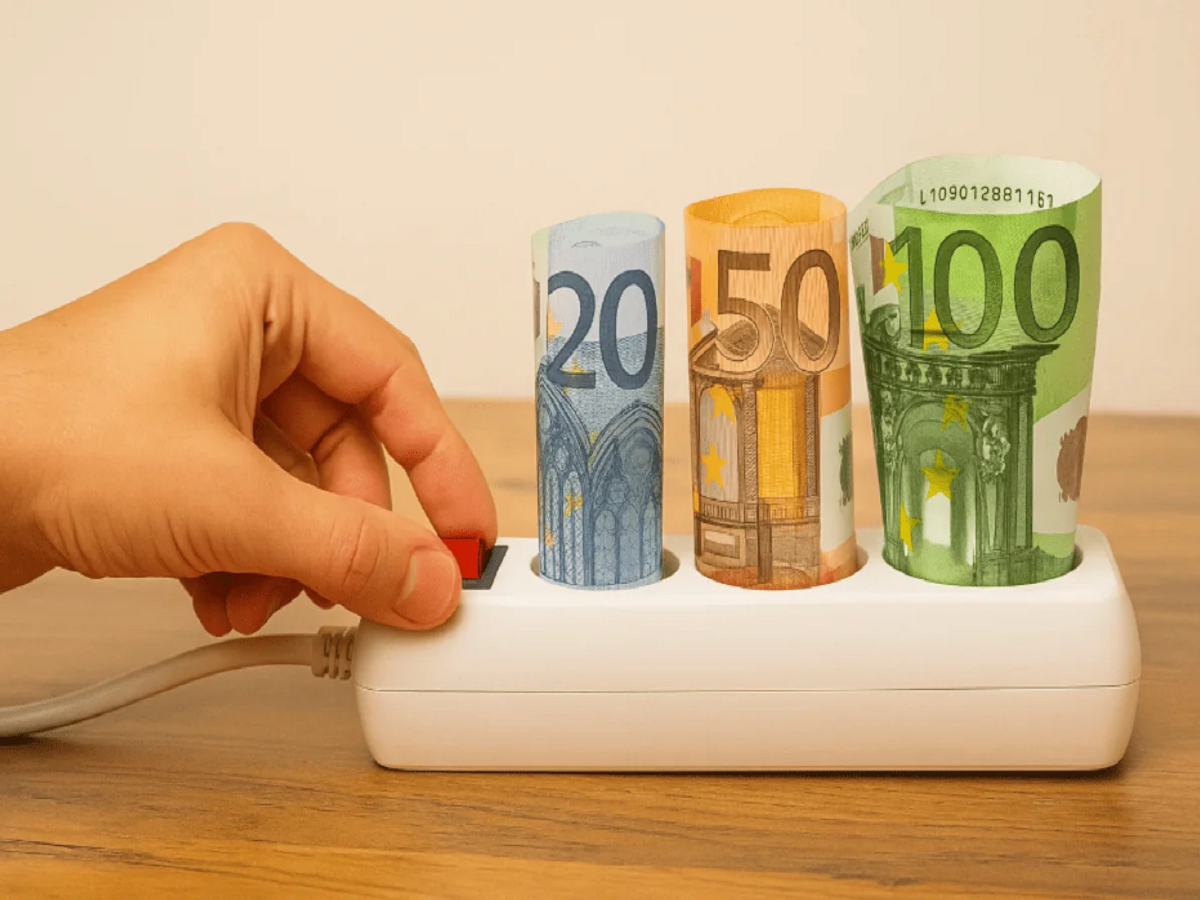
Electricity bills often rise gradually, making it difficult to identify exactly where the extra expense is coming from. A continuously running refrigerator, an inefficient air conditioner, unnecessary standby power or an outdated appliance can increase monthly consumption without attracting much attention.
For households across India, understanding electricity usage is becoming increasingly important as summers grow demanding and more homes adopt air conditioners, washing machines and other power-hungry appliances.
The good news is that reducing electricity consumption does not always require expensive upgrades. A few practical changes, combined with the right government programmes, can help households manage their energy expenses more effectively.
1. Understand What Your Electricity Bill Is Telling You
The first step towards saving electricity is understanding your consumption.
Most electricity bills include details such as units consumed, the billing period, the applicable tariff and other charges. Electricity consumption is measured in kilowatt-hours (kWh), commonly called units.
For example, an appliance rated at 1,000 watts uses approximately one unit of electricity when operated at full power for one hour.
Checking your monthly units can help you determine whether consumption is increasing and whether a particular appliance or seasonal change may be responsible.
Compare bills across similar months rather than comparing only the total amount payable, because tariffs and other charges can also affect the final bill.
2. Use Air Conditioners More Efficiently
Air conditioners can account for a significant share of household electricity consumption, particularly during hot weather.
To improve efficiency:
-
Set the temperature to a comfortable level rather than unnecessarily low.
-
Clean air filters regularly.
-
Keep doors and windows closed while the AC is operating.
-
Use curtains or blinds to reduce direct sunlight entering the room.
-
Choose an appropriately sized, energy-efficient model when replacing an old unit.
An AC running at an excessively low temperature may consume more electricity without providing a proportionate improvement in comfort.
3. Replace Inefficient Lights With LEDs
LED bulbs generally consume substantially less electricity than traditional incandescent bulbs for comparable light output.
Replacing frequently used lights can reduce consumption while also lowering the heat produced by lighting.
When buying LED bulbs, compare brightness, wattage, quality and warranty rather than choosing solely on the lowest price.
Households should also switch off lights in unoccupied rooms where practical.
4. Check the Electricity Consumption of Everyday Appliances
Some appliances consume electricity for long periods, even when their individual power ratings appear modest.
For example, refrigerators operate throughout the day, while televisions, computers, routers and chargers may remain powered for extended periods.
You can estimate an appliance's electricity use with this formula:
Electricity consumption in units = Power in kilowatts × Operating hours.
A 100-watt appliance operating for five hours consumes approximately 0.5 units of electricity.
Actual consumption varies depending on the appliance's operating cycle, efficiency and usage conditions.
5. Check the PM Surya Ghar Rooftop Solar Scheme
The government launched the PM Surya Ghar: Muft Bijli Yojana to encourage households to adopt residential rooftop solar systems.
The scheme provides eligible households with central financial assistance for qualifying rooftop solar installations, subject to the applicable capacity limits, technical requirements and programme rules.
The subsidy depends on the installation size and the applicable scheme guidelines. It is not an unconditional payment available to every household regardless of eligibility.
Rooftop solar can help reduce electricity purchased from the grid, although the actual savings depend on factors such as sunlight, roof suitability, system performance, household consumption and local electricity rules.
Before installing a system, households should check the official scheme portal and their electricity distribution company for current eligibility, approved vendors and installation procedures.
6. Consider Energy-Efficient Appliances
When buying a new appliance, check its energy-efficiency label.
In India, the Bureau of Energy Efficiency (BEE) operates energy-labelling programmes for various appliances. The star rating can help consumers compare the energy performance of eligible products.
However, star ratings should be compared within the relevant product category and under the applicable testing standards.
A more efficient appliance may have a higher purchase price but could reduce electricity consumption over its useful life. The actual financial benefit depends on the price difference, usage and electricity tariff.
7. Avoid Unnecessary Standby Consumption
Some electronics continue to draw electricity when they are not actively being used.
The amount varies considerably by device, so standby consumption should not be assumed to be a major expense in every household.
Where convenient, switch off devices that do not need to remain powered. Smart power strips may also help manage multiple devices together.
However, avoid disconnecting equipment that requires continuous power for safety, security, refrigeration or essential functions.
Can Smart Meters Help Households Save Money?
Smart meters can provide more detailed information about electricity usage, depending on the features supported by the meter and the distribution company.
They may help consumers understand consumption patterns, monitor usage and identify unusual changes.
However, installing a smart meter does not automatically reduce a bill. Savings depend on whether consumers use the available information to make practical changes.
Households should also understand the applicable tariff and billing arrangements before assuming that smart-meter data will translate directly into lower costs.
How to Start Saving Electricity This Month
You do not need to change every appliance at once. Start with a few manageable steps:
-
Record the number of units consumed on your latest bill.
-
Compare consumption with the previous month.
-
Identify appliances that operate for long periods.
-
Improve AC settings and lighting efficiency.
-
Check whether rooftop solar is suitable for your home.
-
Compare energy labels when replacing appliances.
-
Review the next bill to see whether consumption has changed.
This approach helps separate actual electricity savings from changes caused by tariffs, weather or billing adjustments.
Conclusion
Reducing electricity expenses begins with understanding how your household uses power. Efficient cooling, LED lighting, better appliance choices and careful monitoring can help reduce unnecessary consumption.
Government initiatives such as PM Surya Ghar may provide additional opportunities for eligible households to adopt rooftop solar, while BEE energy labels can support more informed purchasing decisions.
The most effective strategy is to measure consumption, make practical changes and verify the results on subsequent bills. Small improvements across several appliances can add up to meaningful savings over time.