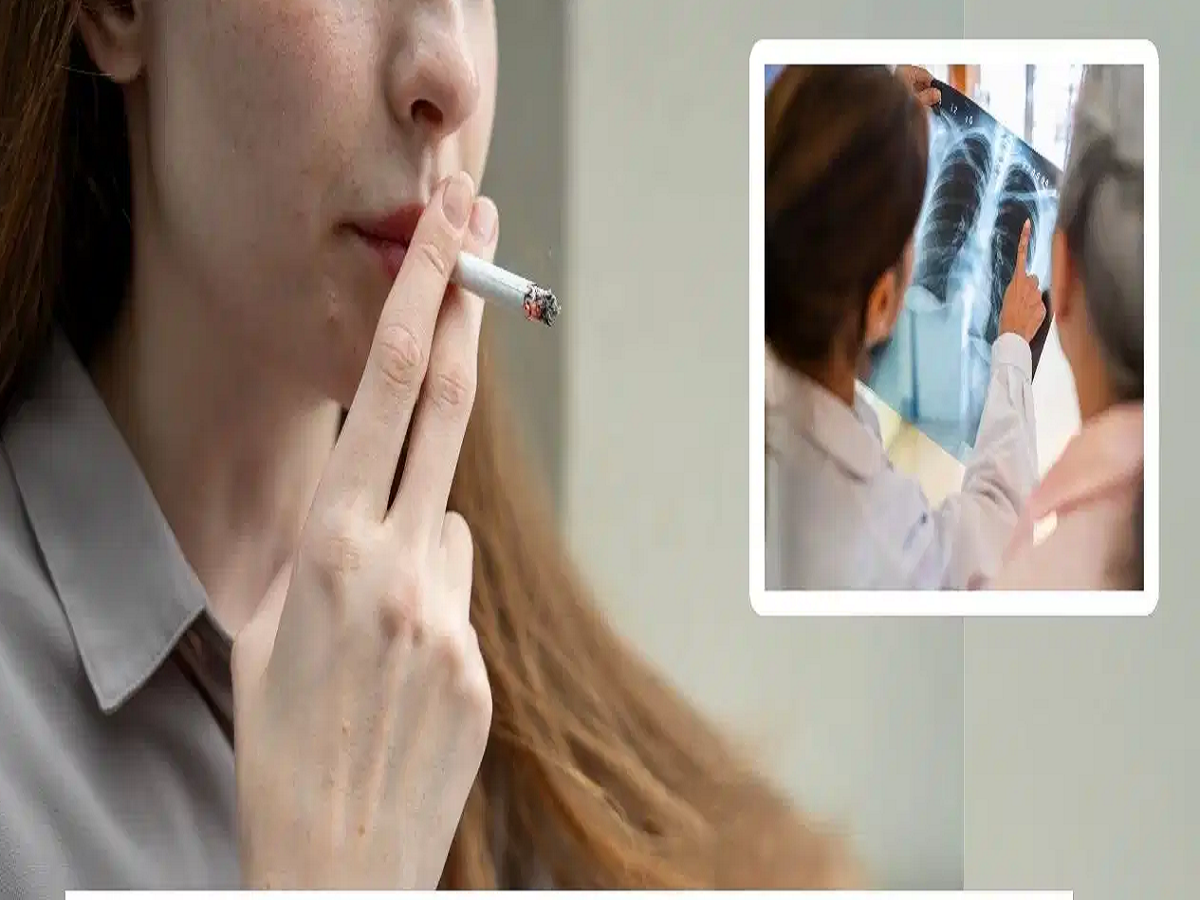
If you have smoked for years or spent a long time exposed to polluted air, you may wonder whether your lungs can recover. The answer is encouraging: quitting smoking can allow the lungs to heal and function better over time, although the extent of recovery depends on how much damage has already occurred.
Smoking and prolonged exposure to air pollution can irritate the airways and increase the risk of several respiratory problems. So, what can you do to protect your lungs and support recovery?
Quitting smoking is the first step
According to Dr Sushil Kumar Upadhyay, Consultant in Pulmonary and Sleep Medicine at Kailash Deepak Hospital, lung health can improve after a person stops smoking, although recovery depends on the existing level of damage.
Cigarette smoke can damage the airways and interfere with the lungs' ability to clear mucus and other particles. Once smoking stops, the body begins a gradual healing process.
Over time, symptoms such as coughing, excess mucus and breathlessness may improve. The earlier a person quits, the greater the opportunity to prevent further damage.
Can completely damaged lungs become normal?
Not always. Some smoking-related lung damage can be permanent, particularly when conditions such as chronic obstructive pulmonary disease (COPD) or emphysema have developed.
However, quitting smoking remains beneficial even after years of smoking. It can slow further deterioration and improve overall respiratory health.
Protect yourself from air pollution
Smoking isn't the only threat to lung health. Long-term exposure to polluted air can also irritate the respiratory system.
On days when air quality is particularly poor, consider reducing prolonged outdoor exposure. Avoid intense outdoor exercise when pollution levels are high and use a well-fitting, good-quality mask when appropriate.
Keeping indoor spaces adequately ventilated while avoiding polluted outdoor air can also help reduce unnecessary exposure.
Exercise can support better breathing
Regular physical activity can improve cardiovascular fitness and help the body use oxygen more efficiently. Activities such as walking, cycling or other suitable forms of exercise can be beneficial.
However, people who already have significant breathing problems should discuss an appropriate exercise routine with a doctor rather than suddenly starting intense workouts.
Don't ignore warning signs
Persistent cough, unexplained breathlessness, chest discomfort, wheezing or frequent respiratory infections should not simply be blamed on pollution or past smoking.
If these symptoms continue, a medical evaluation is important. Depending on the symptoms and medical history, a doctor may recommend tests such as spirometry or chest imaging.
The lungs can recover, but prevention matters most
The lungs have a remarkable ability to recover after exposure to harmful substances is stopped. But recovery has limits, and permanent damage may not be completely reversible.
The most effective approach is therefore to stop smoking, reduce exposure to polluted air, stay physically active and seek medical advice when respiratory symptoms persist. Even after years of smoking, quitting can still make a meaningful difference to your lung health.