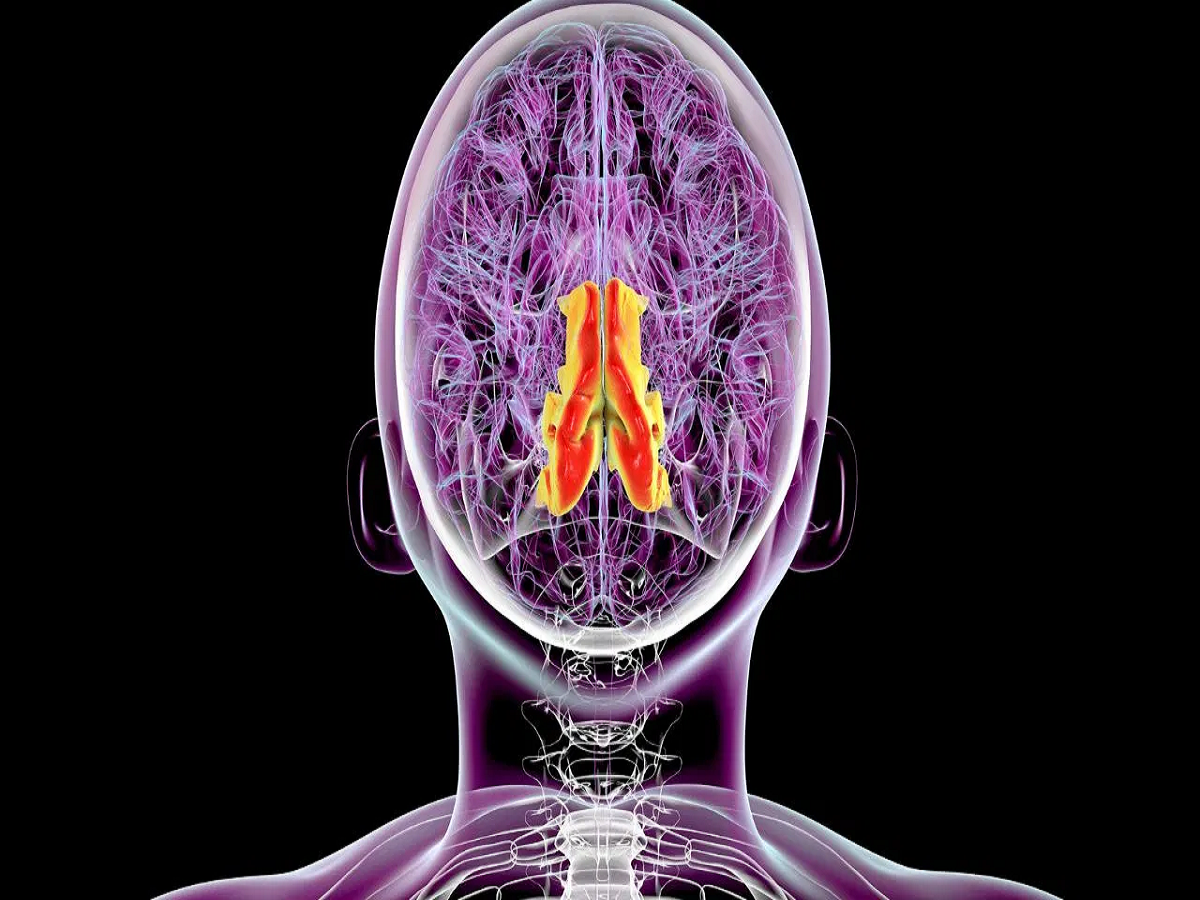
Epilepsy is a neurological disorder marked by recurrent seizures and affects millions worldwide. According to the World Health Organization (WHO), more than 15 million people in India live with epilepsy. Despite its high prevalence, a large number of patients do not seek timely medical care due to fear, social stigma, and widespread misconceptions, particularly in rural and semi-urban areas.
Medical experts emphasise that epilepsy should be treated like other chronic illnesses such as diabetes or hypertension. With advances in medical science, nearly 70 per cent of epilepsy patients can achieve seizure control through regular medication. For those who do not respond to medicines, specialised treatment options available in India offer renewed hope and improved quality of life.
How does an epileptic seizure occur?
Explaining the condition, Dr Madhukar Bhardwaj, Director and Head of the Department of Neurology at Aakash Healthcare, said that epileptic seizures occur when the brain’s electrical activity becomes temporarily abnormal. This disruption can lead to symptoms such as convulsions, sudden falls, loss of consciousness, blank staring spells, or brief confusion.
“Seizures can vary in severity,” Dr Bhardwaj said. “Some last only a few seconds and are mild, while others can be more intense and prolonged.”
Common misconceptions about epilepsy
Doctors point out that misinformation continues to be a major barrier to treatment. Dr Bhardwaj said many patients still associate epilepsy with superstitions such as ghost possession or black magic. Other common myths include the belief that epilepsy spreads through touch, that patients cannot study, work, or marry, or that objects should be placed in a patient’s mouth during a seizure.
“All these beliefs are false and potentially dangerous,” he warned, adding that such practices can cause serious harm during a seizure.
Importance of early diagnosis
Dr Praveen Gupta, a senior neurologist, said epilepsy is often diagnosed late because not all seizures involve visible convulsions. “Some seizures present as brief episodes of confusion, blankness, or lack of awareness, which are easily overlooked,” he explained.
Epilepsy can affect individuals of all age groups, but fear and lack of awareness delay diagnosis and treatment. Dr Gupta stressed that with early identification and proper medical care, most patients can lead normal, productive lives.
Is surgery an option for epilepsy?
Dr Gupta said surgery is considered only when medications fail to control seizures. In cases of drug-resistant epilepsy, surgical intervention may be recommended. He added that advances in imaging, neurosurgery, and neuro-robotic techniques have significantly improved outcomes for such patients.
On World Epilepsy Day, doctors called for greater public awareness to dispel myths, reduce stigma, and ensure that people with epilepsy receive timely and appropriate medical care.