LIFESTYLE
Why Does Your Cough Get Worse at Night? Experts Explain 4 Possible Reasons You Shouldn’t Ignore
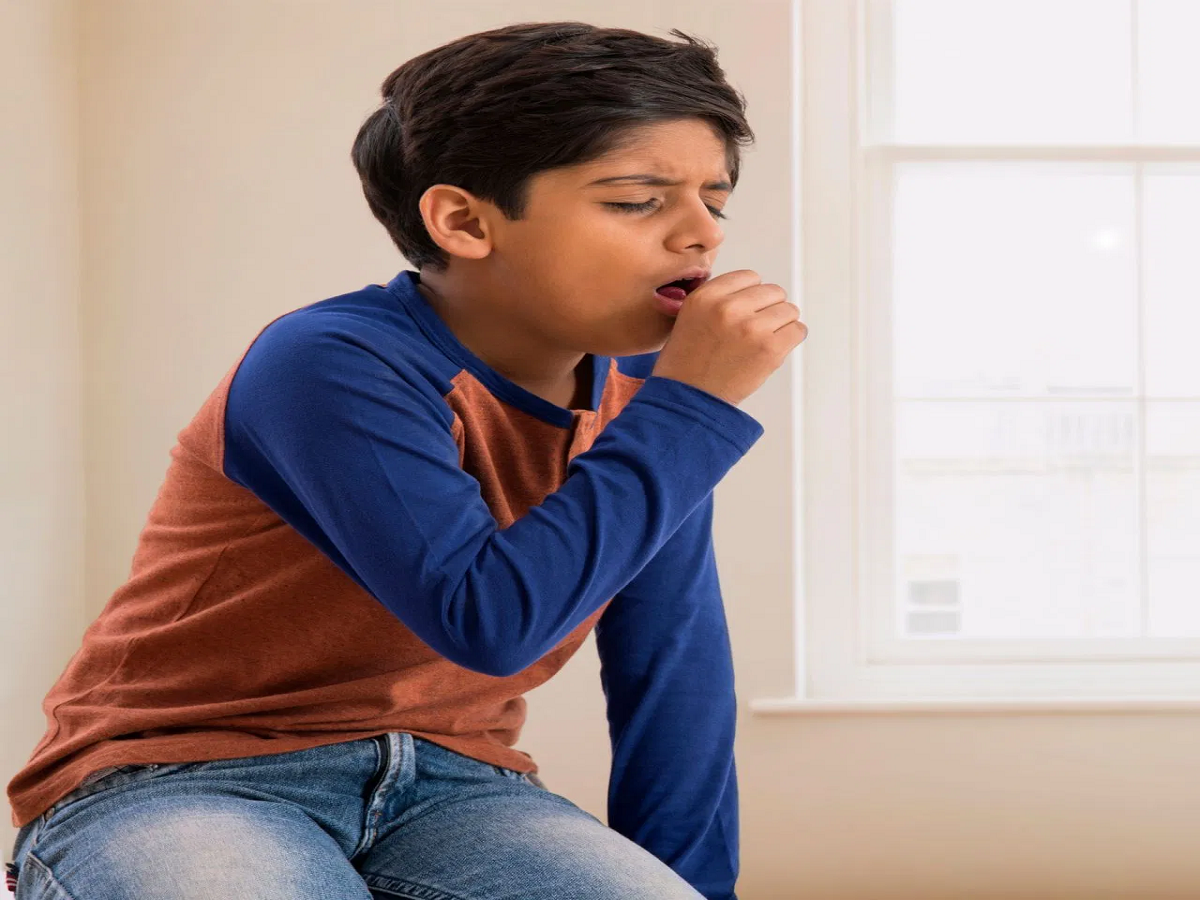
Have you ever noticed that you barely cough during the day, but the moment you lie down to sleep, your coughing starts getting worse? This is a common problem experienced by many people, especially during seasonal changes and respiratory infections. However, nighttime coughing is not always caused by a common cold. In some cases, it could indicate an underlying health condition that needs attention.
According to Dr. Rohan Aurangabadwala, Senior Consultant in Pulmonology at Apollo Hospitals, several factors can trigger or worsen coughing at night. Here are four important reasons behind this problem.
1. Asthma Can Trigger Nighttime Coughing
Asthma is one of the common causes of coughing that becomes worse at night. In some individuals, the airways become more inflamed and narrowed during nighttime hours, making breathing difficult. This can result in persistent dry coughing, chest tightness and occasional breathing discomfort. Interestingly, some people experience nighttime coughing without even realising that they may have asthma.
2. Allergies and Mucus Accumulation
Allergies and postnasal drip are other possible reasons for nighttime coughing. Postnasal drip occurs when excess mucus from the nose and sinuses flows down the back of the throat. When a person lies down, this mucus can accumulate and irritate the throat, triggering repeated coughing. Dust, pollen and other allergens may further worsen the problem, particularly in people with sensitive airways.
3. Acid Reflux After Dinner
Your eating habits and dinner timings may also contribute to nighttime coughing. Acid reflux occurs when stomach acid moves upwards into the food pipe and sometimes reaches the throat, causing irritation. This is more likely when you lie down immediately after eating, especially after having a late or heavy dinner. The irritation can trigger coughing, throat discomfort and sometimes a sour taste in the mouth.
4. When Should You Consult a Doctor?
Occasional nighttime coughing may not be a serious concern, but persistent symptoms should not be ignored. If your cough continues for more than two to three weeks, repeatedly disturbs your sleep or is accompanied by breathing difficulties or blood in your sputum, you should consult a pulmonologist.
The right treatment depends on identifying the actual cause rather than simply suppressing the cough. Asthma, allergies, postnasal drip and acid reflux may require completely different treatment approaches.
Simple Ways to Reduce Nighttime Coughing
-
Avoid lying down immediately after dinner. Ideally, maintain a gap of two to three hours.
-
Keep your bedroom clean and minimise exposure to dust and allergens.
-
Stay adequately hydrated throughout the day.
-
If nasal congestion is present, ask your doctor about suitable ways to manage it.
-
Avoid smoking and exposure to second-hand smoke.
Nighttime coughing may seem like a minor seasonal problem, but recurring symptoms can sometimes be your body's way of signalling an underlying condition. Understanding the cause and seeking timely medical advice can help you get better sleep and protect your respiratory health.