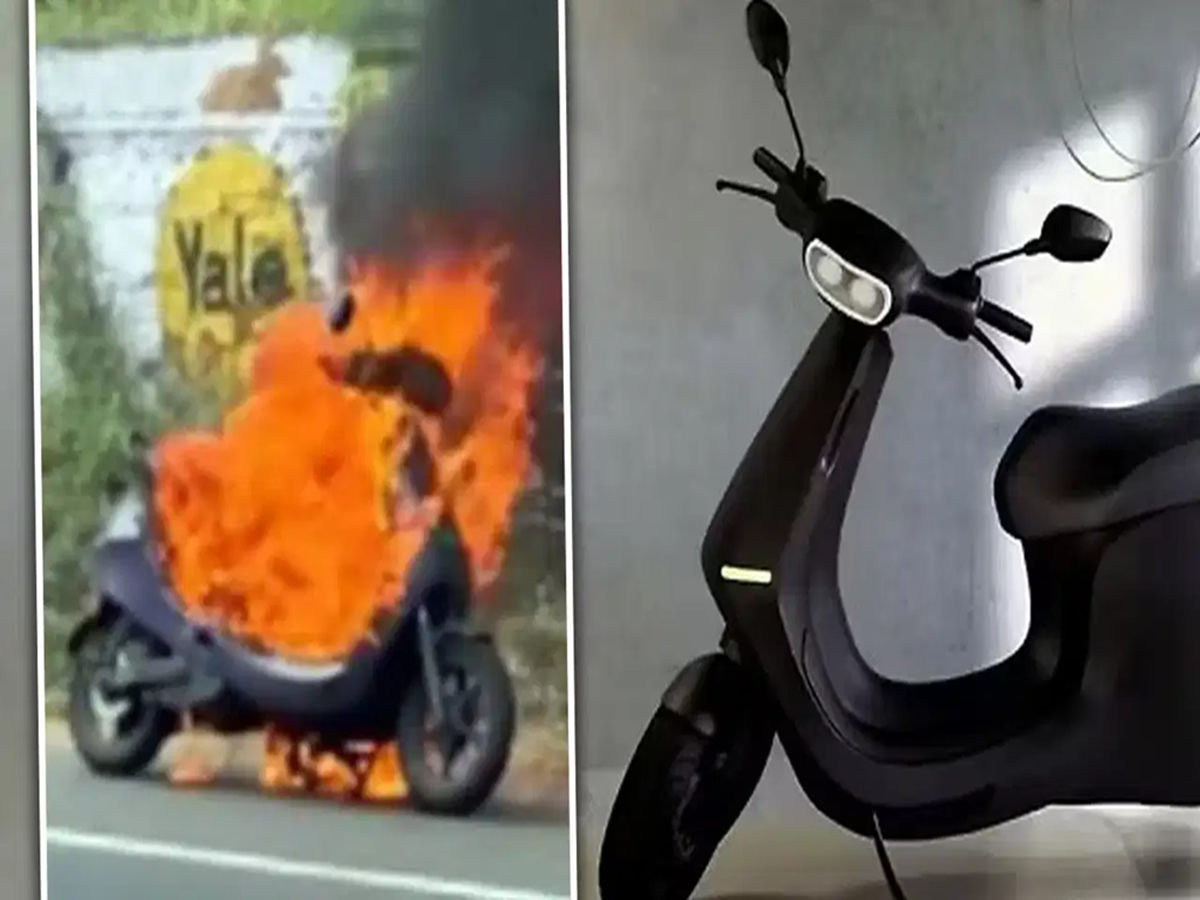
Electric scooters are becoming increasingly popular in India thanks to their lower running costs and the savings they offer on fuel. However, occasional reports of electric scooters catching fire or battery explosions have raised concerns among riders. While such incidents are uncommon, understanding why they happen can help users reduce the risk and use their vehicles more safely.
What Is Thermal Runaway?
Most electric scooters use lithium-ion batteries, which consist of multiple individual battery cells. If one of these cells overheats and the heat is not dissipated effectively, it can trigger a process known as thermal runaway.
During thermal runaway, the chemical reactions inside the battery accelerate rapidly, generating even more heat. This heat can spread from one cell to the next, causing the battery pack's temperature to rise uncontrollably. If the process isn't contained, it can lead to a fire or, in rare cases, an explosion.
What Increases the Risk of Battery Fires?
Battery fires usually occur due to a combination of factors rather than a single cause. Some of the common reasons include:
Poor-quality battery cells or manufacturing defects
A faulty or ineffective Battery Management System (BMS)
Overcharging or leaving the scooter plugged in for extended periods
Using non-original or incompatible chargers
Internal battery damage caused by accidents or impacts
Charging or parking the scooter in extremely hot conditions or direct sunlight
These factors can increase battery temperature and put additional stress on the cells.
Why Is the Battery Management System (BMS) So Important?
The Battery Management System (BMS) is one of the most critical safety components in an electric scooter. It continuously monitors the battery's:
Temperature
Voltage
Charging status
Cell balance
A properly functioning BMS helps prevent overcharging, keeps individual battery cells balanced, and protects the battery from overheating. If the BMS fails or doesn't perform as intended, the risk of overheating, short circuits, and thermal runaway increases.
Tips to Charge Your Electric Scooter Safely
Following a few simple precautions can significantly reduce the chances of battery-related incidents:
Always use the original charger supplied by the manufacturer.
After a long ride, let the battery cool for 30–45 minutes before charging.
Avoid charging the scooter in direct sunlight or extremely hot environments.
Do not leave the scooter unattended for long periods while it is charging.
If you notice battery swelling, cracks, unusual smells, or any visible damage, stop using the scooter and have it inspected at an authorised service centre.
Never attempt to repair or replace a damaged battery yourself. Always seek assistance from trained technicians.
Safe Charging Helps Extend Battery Life
Proper charging habits, regular inspections, and timely servicing not only reduce the risk of overheating and fire but also help improve battery performance and longevity. Taking these precautions can ensure that your electric scooter remains both safe and reliable for everyday use.