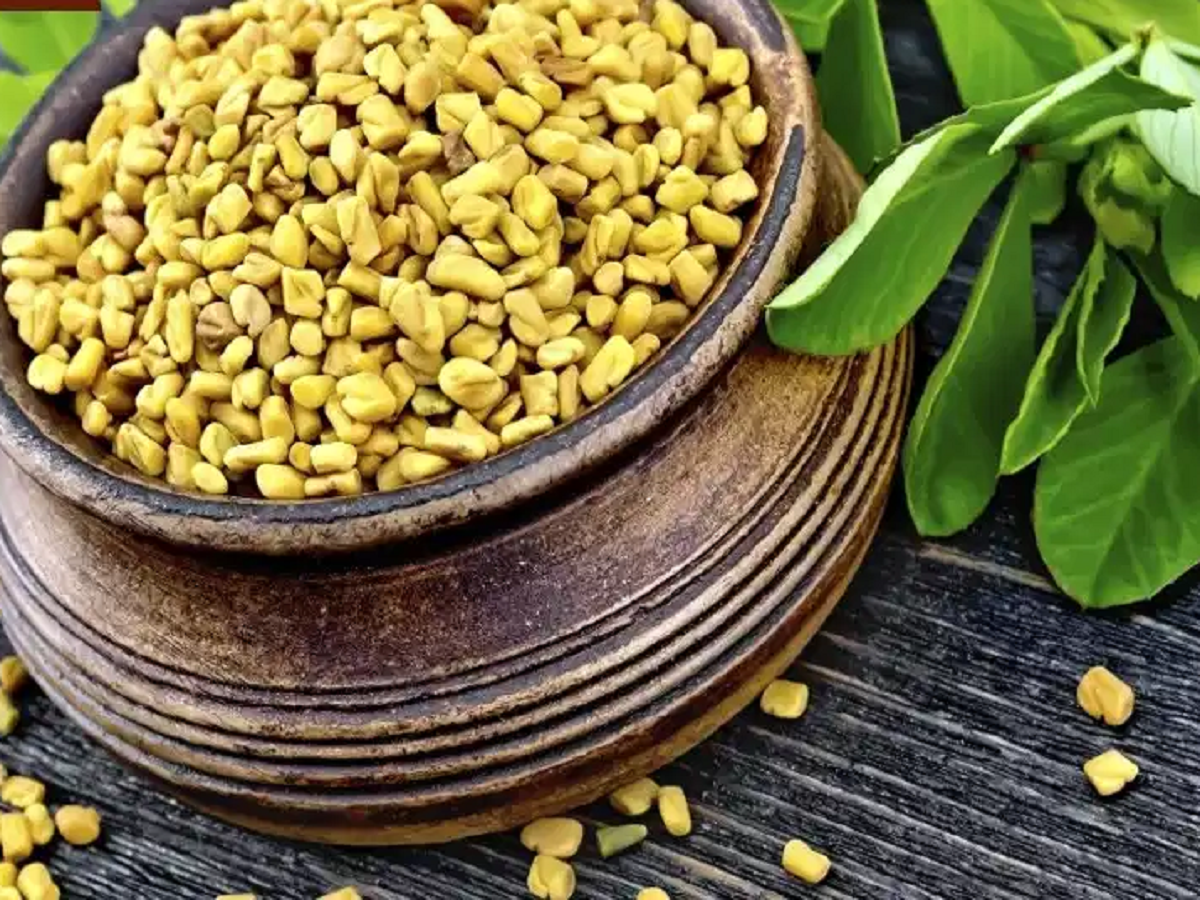
Fenugreek seeds, commonly known as methi dana, are a staple in Indian kitchens. While they are traditionally used as a spice, many people now consume soaked fenugreek seeds or drink the water in which they have been soaked, believing it can support digestion, weight management and blood sugar control.
Fenugreek seeds contain nutrients such as fibre, iron, magnesium, manganese and vitamin C. However, consuming them regularly in concentrated amounts is not suitable for everyone. In certain situations, they may interact with medicines or cause unwanted effects.
Physician and diabetologist Dr. Vipul has highlighted some situations in which people should exercise caution before using fenugreek seeds as a supplement.
Pregnant Women Should Avoid Fenugreek Supplements
According to the expert, pregnant women should avoid consuming fenugreek seeds in concentrated or supplement-like amounts unless advised by their doctor.
Fenugreek may have effects on the uterus, so it is better not to consume large amounts during pregnancy without medical guidance. Women who are breastfeeding should also consult their doctor before regularly using fenugreek as a supplement.
Be Careful Before Surgery
People who regularly consume fenugreek supplements should inform their doctor before undergoing surgery.
Fenugreek may affect blood clotting, which could potentially increase the risk of bleeding. Your doctor can advise whether and when you should stop taking it before a procedure.
Avoid Combining It With Certain Blood-Thinning Medicines
Fenugreek may interact with medicines that affect blood clotting. People taking blood thinners such as warfarin or acenocoumarol (Acitrom) should not start consuming concentrated fenugreek supplements without consulting their doctor.
Combining substances that can affect bleeding may increase the risk of complications.
People With Sensitive Digestion Should Take Care
Fenugreek is sometimes consumed to support digestion, but it can cause gastrointestinal side effects in some people.
Those with irritable bowel syndrome (IBS) or a particularly sensitive digestive system may experience problems such as gas, bloating or stomach discomfort after consuming larger amounts.
If fenugreek consistently causes digestive symptoms, it is better to stop using it and seek medical advice.
Diabetics Need to Monitor Blood Sugar
Fenugreek may have a blood-sugar-lowering effect. While this may be beneficial for some people, it can become a concern when fenugreek is combined with diabetes medicines.
People taking insulin or medicines such as glimepiride should be particularly careful, as combining multiple blood-sugar-lowering factors could potentially cause blood glucose to fall too low.
Anyone with diabetes should discuss regular fenugreek supplementation with their doctor and monitor their blood sugar appropriately.
Leave a Gap From Thyroid Medication
People taking thyroid medication should also be cautious about consuming fenugreek around the time they take their medicine.
Dr. Vipul recommends maintaining a gap of at least two hours between consuming fenugreek and taking thyroid medication, as fibre and other components of fenugreek may interfere with the absorption of some medicines.
Fenugreek Is Not Automatically Safe Just Because It Is Natural
Fenugreek can be part of a normal diet when used as a culinary spice, but consuming soaked seeds, powders or large quantities as a daily supplement is different.
If you are pregnant, preparing for surgery, taking blood thinners or diabetes medication, using thyroid medicines, or dealing with digestive problems, speak to your doctor before making fenugreek a regular part of your routine.
Natural foods can still interact with medicines and affect the body, so moderation and medical guidance are important when using them in concentrated amounts.