TECH
Which app drains your brain's battery: Instagram, Facebook, or YouTube? Happiness report reveals a major revelation
Happiness Report 2026: These apps increase feelings of comparison, stress, and loneliness in users. This report reveals which apps tire our brains the most and why.
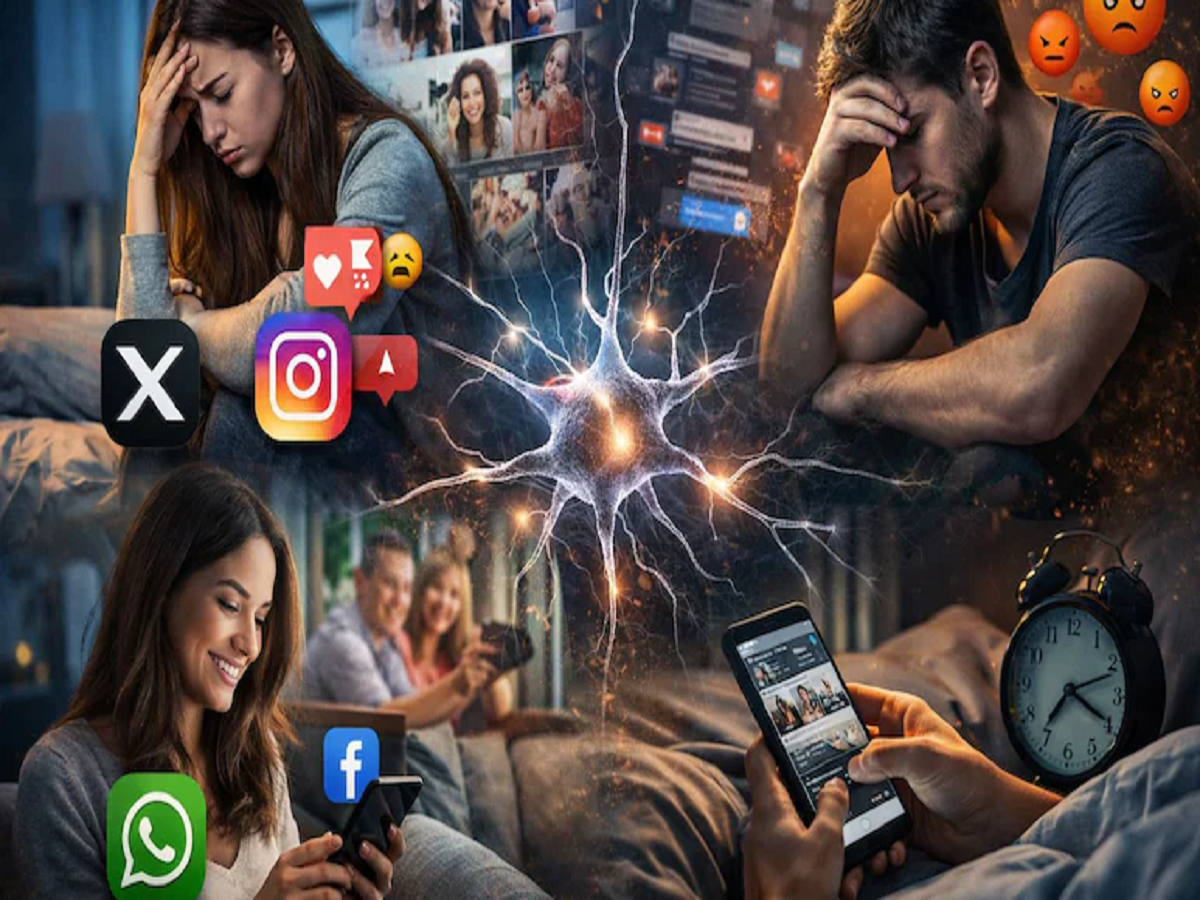
World Happiness Report 2026: In today's digital age, social media has become an integral part of our lives. Checking your phone as soon as you wake up and scrolling through it before bed has become a habit. But have you ever considered the impact these apps are having on your brain? According to the World Happiness Report 2026, platforms like Twitter and Instagram are proving to be more harmful to mental health than WhatsApp and Facebook. These apps increase feelings of comparison, stress, and loneliness in users' minds. This report raises the question:
Why were Instagram and X considered more dangerous?
According to the report, content on Instagram and X changes rapidly and is constantly updated, limiting user attention. People on Instagram display their perfect lives, which fuels feelings of inferiority in others. X is also a hotbed of negative news, trolling, and debate, leading to increased mental fatigue and anxiety.

Why are WhatsApp and Facebook slightly better?
- At least on WhatsApp and Facebook, the interaction is more personal.
- You talk to your close ones on WhatsApp, which makes you feel connected.
- You also see updates from family and friends on Facebook, which maintains emotional balance.
Although their excessive use can also be harmful, but in comparison they are considered less harmful.
3. The growing threat of doom-scrolling
Users often scroll endlessly on Instagram and Twitter, a practice known as doom-scrolling. This overloads the brain with constantly new information, impacting sleep, reducing focus and productivity. This habit gradually increases mental fatigue and stress.
4. Desire for comparison and validation
Instagram is a platform primarily based on likes and followers. People compare their posts to others. A low number of likes can lead to a loss of self-confidence. Looking at others' lives can lead to a feeling of inferiority. This digital comparison harms mental health.
How to avoid this hidden danger?
- Limit your daily social media time (1-2 hours)
- Do not use the phone before sleeping
- Stay away from negative content
- Engage in offline activities like walking, reading a book, etc.
- Small changes can improve mental health.
The World Happiness Report 2026 clearly shows that not all social media apps are created equal. While Instagram and X are more likely to tire your brain, WhatsApp and Facebook offer a more balanced experience than other apps.
PC:NDTV