INTERNATIONAL
What Netanyahu Said That Uprooted Iran: An Offer to Help with Iran's Water Crisis Amid Fierce Tensions
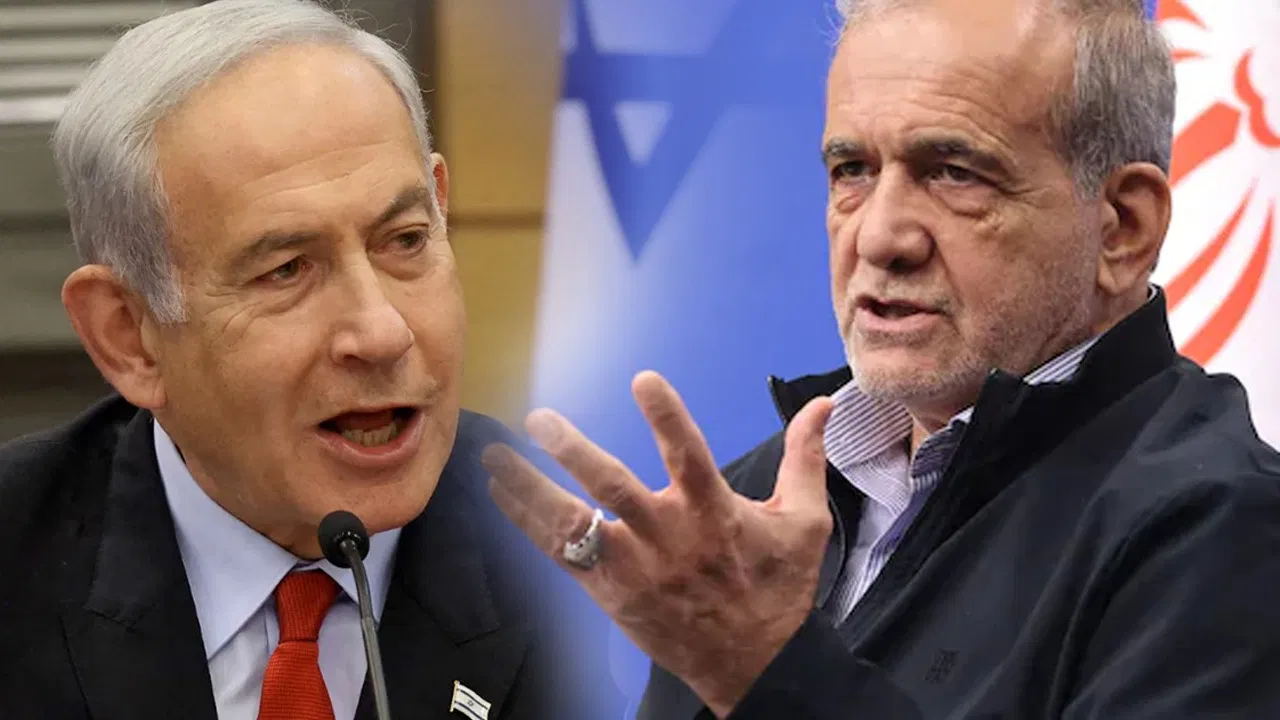
Israeli Prime Minister Benjamin Netanyahu recently delivered a surprising and provocative message to the Iranian people addressing the country's severe water crisis. Though Israel and Iran were embroiled in a brutal 12-day conflict just weeks earlier—with thousands of casualties on both sides—Netanyahu shifted the discourse by linking Iran's dire water shortage to the possibility of political change.
In a video message directed at Iranians, Netanyahu acknowledged the unprecedented severity of Iran's water crisis, highlighting empty dams, rivers running dry, and the acute shortage of clean water for children. He stated, "The thirst for water in Iran is only matched by the thirst for freedom," and suggested that the suffering of ordinary Iranians was caused by the "tyrants" ruling the country.
Netanyahu dangled a clear incentive: if the Iranian people remove the current regime, Israel would step in with its advanced water technology to help solve the crisis. He promised that Israel, known as a global leader in water recycling and desalination, would deploy top experts to assist Iran in water recycling and desalination to end its shortages.
This offer was not framed as humanitarian aid for the existing government but as a reward contingent on regime change, directly linking political upheaval to a tangible improvement in daily life. Netanyahu’s message encouraged the Iranian people to rise up and take risks for freedom, making resistance against the regime more immediate and personal.
Iranian President Masoud Pezeshkian sharply mocked Netanyahu's statement, calling it a "mirage" and "nothing more." He criticized Israel by highlighting its denial of water and food to Palestinians in Gaza, asserting that such a regime cannot be trusted to help Iran. Pezeshkian urged people to first focus on the plight of Gaza’s innocent children suffering under siege before accepting Netanyahu’s claims of compassion.
The water crisis in Iran is indeed severe, with over 90% of the country experiencing drought conditions. Years of reduced rainfall, poor water management, and excessive consumption—especially in agriculture—have devastated water reserves. Iran’s population of around 90 million consumes nearly double the water compared to neighboring Turkey, worsening the stress on scarce resources.
Netanyahu’s remarks represent a rare shift from outright military hostility to politically charged messaging that connects humanitarian suffering with calls for political change. It poses a challenge for Iran’s ruling elite who face both escalating domestic crises and external pressures.
In summary, Netanyahu’s statement uprooted Iran by:
-
Publicly acknowledging the critical water crisis afflicting ordinary Iranians.
-
Urging the Iranian people to overthrow the current regime to gain Israel’s technological aid.
-
Offering concrete help contingent on regime change, blending humanitarian aid with political strategy.
-
Provoking strong backlash from Iranian leadership accusing Israel of hypocrisy and insincerity.
-
Highlighting the deepening internal struggles within Iran, where environmental and political crises intertwine.
This episode marks a nuanced moment in Israel-Iran relations, where the humanitarian dimension of Iran’s water shortage is weaponized as a tool for fomenting dissent and challenging the regime’s legitimacy. Meanwhile, Iran’s leadership rejects the offer outright, framing it as propaganda amid ongoing geopolitical hostility.