The Strait of Hormuz, one of the world's most important oil shipping routes, is once again at the center of global attention. Following recent US-Iran negotiations aimed at reopening the waterway, reports suggest that the United States is considering a special "VIP pass" system for commercial ships and oil tankers traveling through the strait.
The proposal is intended to encourage shipping companies to resume operations through the region after months of disruption caused by tensions, military activity, and rising insurance costs.
What Is the VIP Pass Plan?
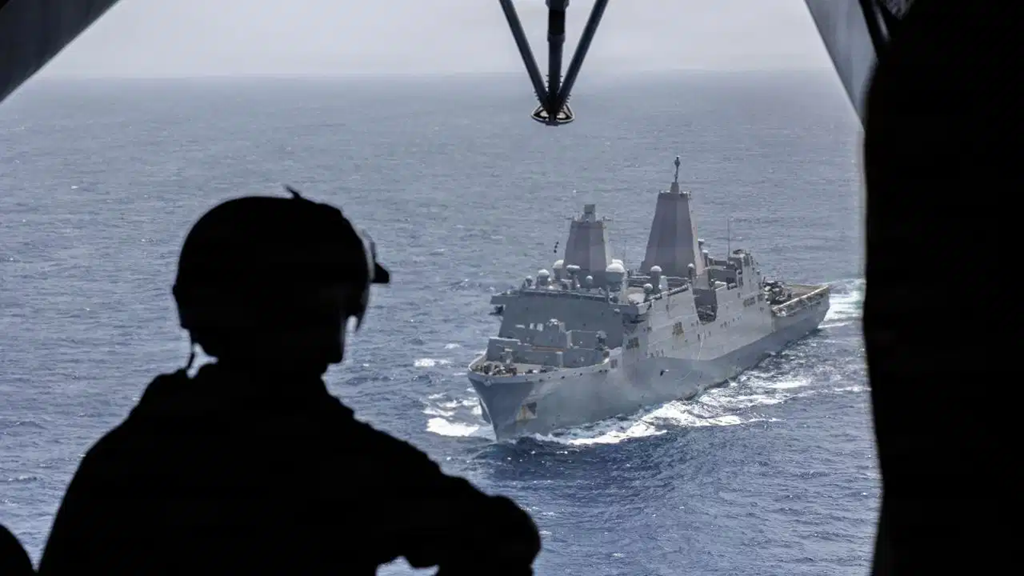
According to reports, US officials are discussing a proposal under which commercial vessels could pay for a special naval escort while passing through the Strait of Hormuz. Under the idea, US military ships would accompany participating vessels and provide additional security during transit. However, the proposal is still under discussion and has not been finalized.
The initiative is being considered because many ship owners remain reluctant to send vessels through the strait despite ongoing diplomatic efforts between Washington and Tehran.
Why Is the US Considering This?
Several factors have contributed to the idea:
1. Hundreds of Ships Remain Delayed
Industry estimates indicate that nearly 500 vessels, including more than 200 oil tankers, remain affected by disruptions in the Persian Gulf region. Many shipping companies are waiting for stronger security guarantees before resuming normal operations.
2. Insurance Costs Have Soared
One of the biggest obstacles is insurance. Many insurers have either raised premiums significantly or imposed restrictions on voyages through the region due to security concerns. The proposed escort system is intended to help reassure insurers and ship operators.
3. Strategic Importance of Hormuz
The Strait of Hormuz is one of the world's most important energy chokepoints. A substantial share of global oil and liquefied natural gas exports passes through this narrow waterway, making uninterrupted shipping critical for global energy markets.
What Does the US-Iran Agreement Say?
Recent reports indicate that the United States and Iran have been working on a temporary framework aimed at reducing tensions and restoring maritime traffic. The reported agreement includes reopening the Strait of Hormuz and easing restrictions on shipping, although details remain subject to further negotiations.
Could Iran Charge Its Own Fees?
Reports suggest that Iran intends to introduce transit charges after an initial toll-free period. This issue could become a new point of disagreement between Tehran and Washington, as US officials have expressed opposition to such fees.
What Could Be the Impact on Global Markets?
If shipping traffic returns to normal:
-
Oil supply chains could stabilize.
-
Freight costs may gradually decline.
-
Energy prices could become less volatile.
-
Delayed cargo shipments may begin moving again.
However, shipping companies are expected to remain cautious until they see long-term stability and improved security conditions in the region.
Conclusion
The proposed US "VIP pass" system is essentially a plan to provide paid naval escorts for commercial ships traveling through the Strait of Hormuz. While the idea is still under consideration, it highlights the continuing importance of the waterway to global trade and energy markets. Whether the proposal moves forward will depend on future US-Iran negotiations, insurance industry responses, and the willingness of shipping companies to return to the route.