LIFESTYLE
What happens to a joint home loan after a divorce, and who pays it? Before buying a home, learn these rules about bank loans and EMIs
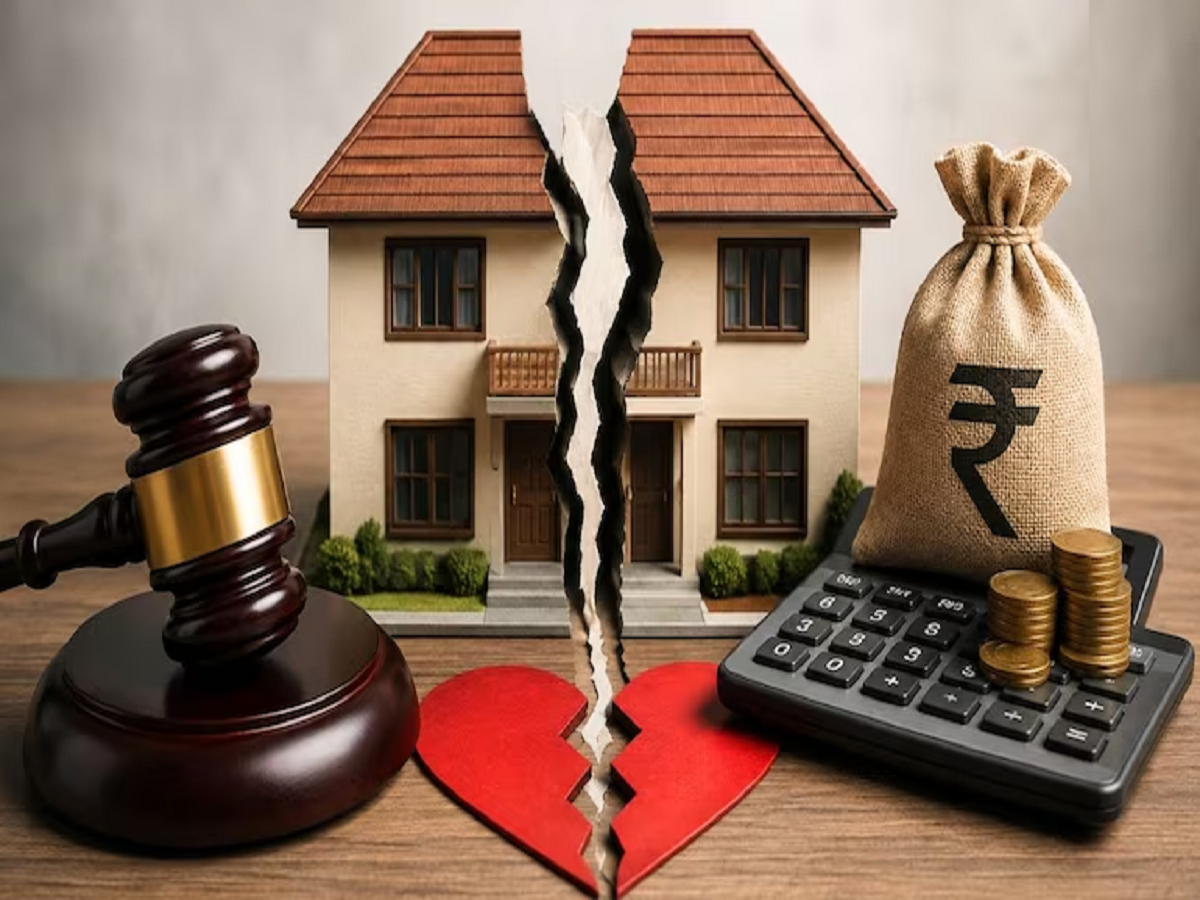
What happens to joint home loan EMIs after a divorce? Even after a divorce, the EMI and debt obligations of a joint home loan do not automatically end. What are the rules regarding bank loans and EMIs before buying a home? Learn everything in detail.
Divorce can legally dissolve a marriage, but this doesn't automatically terminate your joint financial contract with a bank or financial institution. Often, spouses take out a joint home loan. When a marriage ends, most people assume that the responsibility for the loan ends with the division of property, but the reality is quite the opposite. The terms of the loan agreement signed with the bank remain in effect until the outstanding debt is fully repaid or the bank formally agrees to a modification. A divorce does not change the loan contract. The Reserve Bank of India (RBI) also advises borrowers to carefully review the terms and conditions of their home loans and keep them in writing.
Will both have to pay EMI even after divorce?
In the case of a joint home loan, both borrowers should never assume that the spouse living in the home or receiving the property will automatically be responsible for the entire EMI. If both individuals were co-borrowers under the original agreement, the bank may hold both equally liable.
If one party stops paying EMIs, the bank can pressure the other party to recover the outstanding amount. This can happen regardless of what was agreed upon in the divorce agreement. Therefore, even in the event of a separation, it's important to understand the legal and bank regulations with the help of an expert.
Difference between property ownership and loan responsibility
Property ownership and home loan liability are two separate matters. Just because you signed as a co-borrower doesn't prove you have a half or equal share in the property. Similarly, having ownership rights in the property doesn't mean you are the sole owner and solely responsible for the loan. These two aspects should be addressed separately and thoroughly during a divorce settlement to avoid future legal or financial disputes.
Three main options to exit a joint home loan
There are generally three practical ways to settle a joint home loan after divorce –
Complete loan takeover by one spouse: A common solution is for one party to retain the property and pay the full EMI. This requires formal bank approval. The bank re-evaluates the remaining spouse's income, credit profile, and repayment capacity before removing the other borrower's name or restructuring the loan. Until this formal process is completed, neither party is released from the loan through a private agreement.
Selling the property to repay the loan: Another option is to sell the property and use the proceeds to repay the entire outstanding loan. If the home sells for more than the loan amount, the remaining amount can be divided between the parties based on their ownership interests and mutual agreement. However, if the sale price is less than the loan amount, the loss must be shared.
Continuing joint ownership: In some cases, especially where the future of children is at stake, former spouses may decide to maintain the property jointly for a period of time. This arrangement can only work if the terms regarding EMI payments, home maintenance, property taxes, occupancy rights, and future sale or transfer are clearly stated in writing.
Keep these things in mind during divorce settlement
The divorce agreement should clearly and specifically describe the home loan, rather than simply mentioning the property. The document should clearly state who will live in the home, who will pay the EMIs, who owns what share of the property, and what procedures will be followed if the home is sold in the future.
The practical approach is to first obtain the latest loan statement from the bank, review the property's ownership documents, discuss your plan with the bank, and then incorporate the agreed-upon decision into your divorce settlement agreement. Whenever a co-borrower's name is removed from a loan or the loan is closed, be sure to obtain a written certificate from the bank.
PC: Money Control