NATIONAL
Weak Monsoon Slows Kharif Sowing by 22.7% as Rain Deficit and Low Reservoir Levels Raise Agricultural Concerns
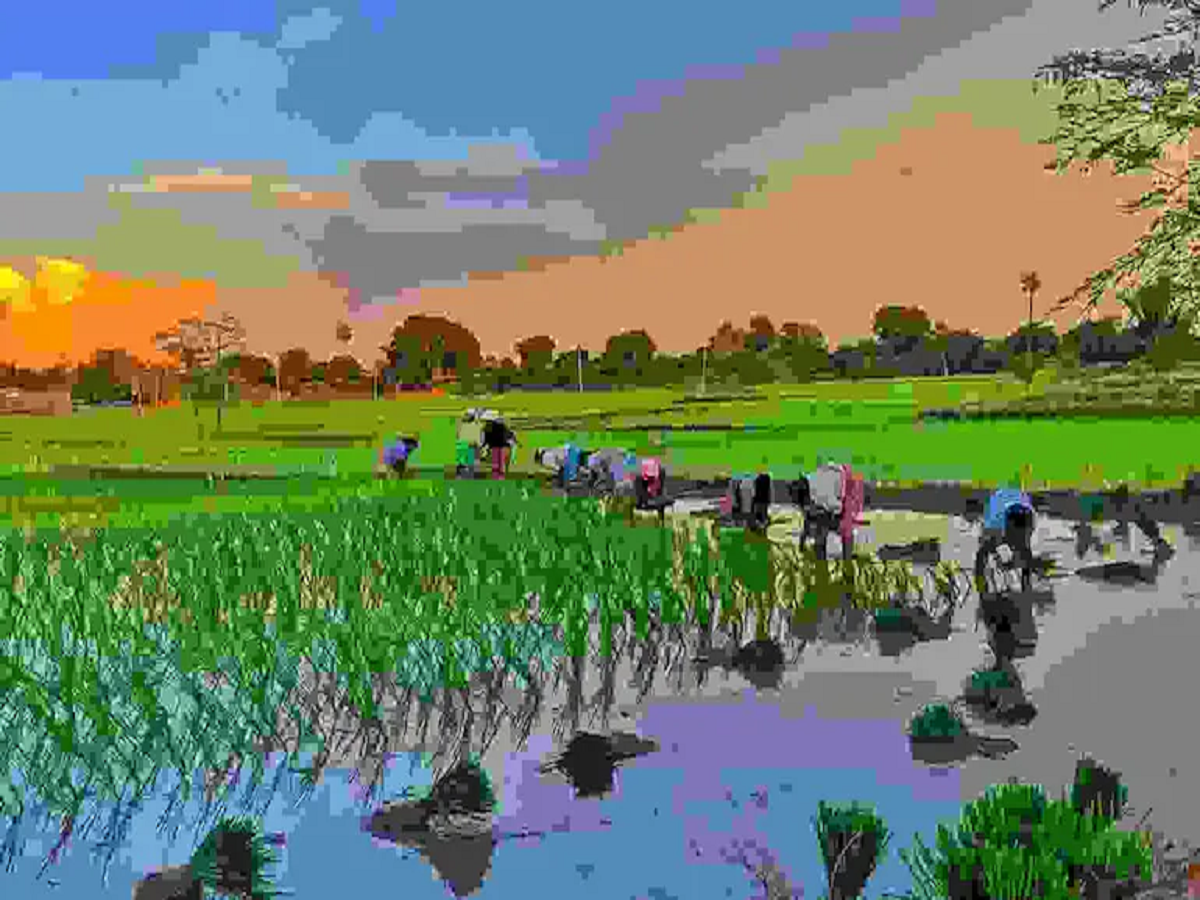
India's kharif sowing season has begun on a weak note, with delayed monsoon progress, uneven rainfall, and declining reservoir levels affecting agricultural activity across several major farming states. According to the latest official data, the area under kharif crops as of June 25 is 22.7% lower than the corresponding period last year, raising concerns about crop production, rural incomes, and food inflation if rainfall does not improve in the coming weeks.
Agriculture experts say the slow pace of sowing has particularly affected crops such as soybean, groundnut, cotton, paddy, and pulses, all of which depend heavily on timely monsoon rains during the early stages of cultivation.
Kharif Sowing Area Declines Significantly
The total kharif sowing area stood at 182.72 lakh hectares by June 25, compared with 236.46 lakh hectares during the same period last year. This represents a decline of 53.74 lakh hectares, reflecting the impact of delayed and uneven rainfall across large parts of the country.
The reduction has been observed across nearly all major crop categories, including:
-
Oilseeds
-
Cotton
-
Paddy (rice)
-
Pulses
Agricultural officials continue to monitor rainfall patterns closely, as July is considered the most critical month for kharif cultivation.
Oilseeds Witness the Sharpest Decline
Among all crop categories, oilseeds recorded the steepest fall in sowing.
The total area under oilseeds declined from 36.41 lakh hectares last year to 16.99 lakh hectares, a reduction of 19.42 lakh hectares.
Within the oilseed segment:
-
Soybean sowing declined by 13.05 lakh hectares.
-
Groundnut acreage fell by 6.42 lakh hectares.
The weaker sowing has also increased concerns about future edible oil availability, especially as India continues to rely heavily on imports to meet domestic demand.
According to available trade data, China accounted for approximately 8.1% of India's crude soybean oil imports up to May this year.
Cotton, Paddy and Pulses Also Affected
Other major kharif crops have also registered lower sowing figures.
Compared with last year:
-
Cotton acreage declined by 15.70 lakh hectares, leaving total coverage at 29.66 lakh hectares.
-
Paddy sowing fell by 8.65 lakh hectares to 25.75 lakh hectares.
-
Pulse cultivation decreased by 6.53 lakh hectares, with pigeon pea (tur) and urad among the most affected crops.
If sowing continues to lag, agricultural output for the current season could come under pressure.
Uneven Rainfall Delays Farm Activity
Although the southwest monsoon has advanced into several parts of the country, rainfall distribution remains uneven.
According to forecasts from the India Meteorological Department (IMD), heavy rainfall is expected in parts of:
-
Madhya Pradesh
-
Chhattisgarh
-
Bihar
-
Odisha
-
Vidarbha
However, several northern regions, including parts of Bihar, Haryana, Delhi, and Uttar Pradesh, have continued to experience heatwave conditions, delaying sowing operations in many districts.
Weather data also showed that the national rainfall deficit had widened significantly in recent days, with large parts of the country receiving below-normal precipitation.
Reservoir Levels Add to Concerns
Water availability has emerged as another major concern for the agricultural sector.
Data from 166 major reservoirs indicate that live storage remains below last year's level.
Reservoirs are currently filled to approximately 26.4% of their total storage capacity, compared with nearly 36% during the same period last year. While this remains above the five-year average, several key agricultural regions continue to face water stress.
The situation is particularly challenging in southern and eastern India.
Highlights include:
-
Southern reservoirs are at 20.8% capacity compared with 44.7% last year.
-
Karnataka's reservoirs are filled to just 14.7%, down from 48.6% a year ago.
-
Tamil Nadu's storage has declined from 81% to 34.3%.
-
Odisha's reservoirs are currently at 15.3%, compared with 22.4% last year.
Lower reservoir levels reduce irrigation support for water-intensive crops such as paddy, cotton, and pulses, increasing farmers' dependence on timely rainfall.
Outlook for the Kharif Season
Agricultural experts believe the performance of the southwest monsoon during July will be crucial in determining the final outlook for the kharif season.
If rainfall improves significantly over the next few weeks, sowing activity could recover. However, prolonged rainfall deficits may affect crop yields, rural incomes, and food supplies.
A weaker harvest could also contribute to higher prices for essential commodities, particularly pulses and edible oils, adding to inflationary pressures in the coming months.
For now, farmers, policymakers, and commodity markets remain closely focused on the progress of the monsoon, as weather conditions over the next several weeks are expected to play a decisive role in shaping India's agricultural output for the season.