AUTO
Want Your Car Engine to Last for Years? Avoid These Common Mistakes That Can Cause Costly Damage
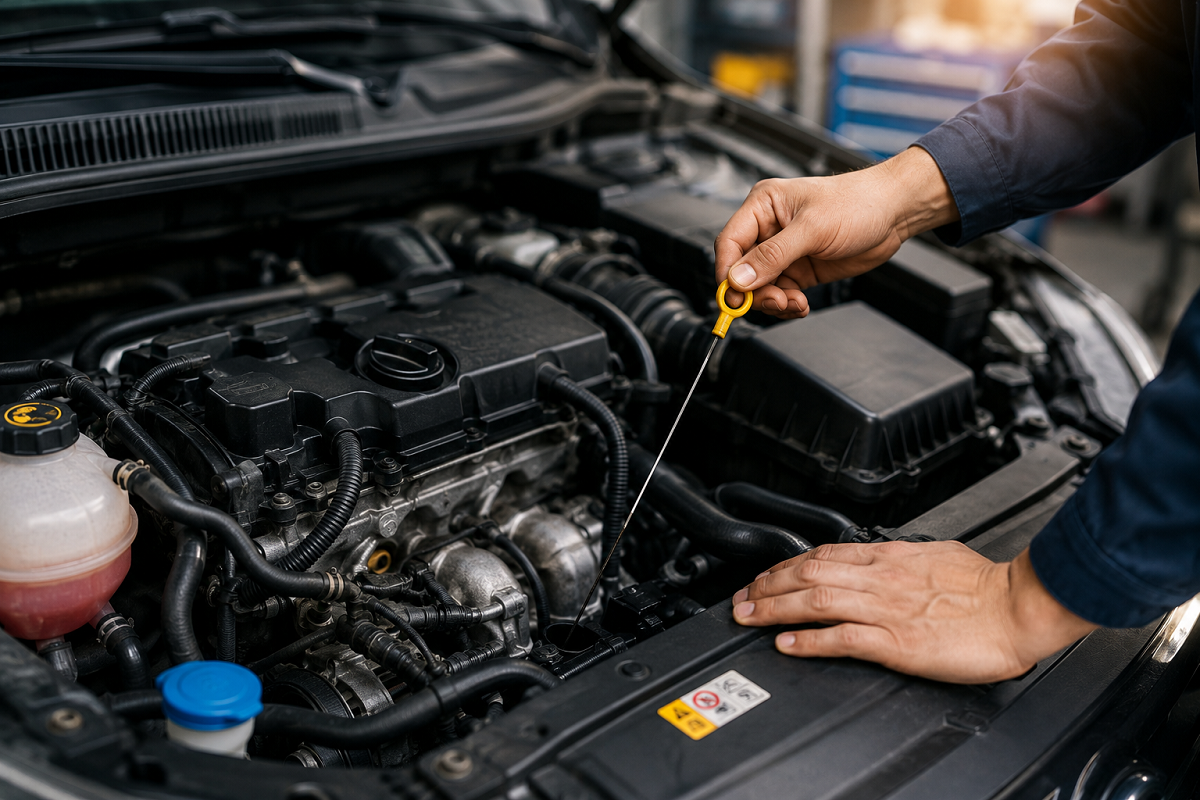
The engine is the heart of any vehicle, yet it is often the most overlooked part when it comes to regular maintenance. While many car owners focus on keeping the exterior clean and polished, neglecting engine care can lead to reduced performance, poor fuel efficiency, and expensive repair bills over time.
Fortunately, extending your engine's lifespan doesn't always require major repairs. Following a few basic maintenance practices and avoiding common driving mistakes can help keep your car running smoothly for years.
Here are some habits you should avoid if you want to protect your vehicle's engine.
Don't Ignore Engine Oil and Oil Filter Replacement
Engine oil plays a crucial role in lubricating moving components, reducing friction, and preventing excessive wear.
As the oil ages, it gradually loses its effectiveness and may accumulate dirt, dust, and tiny metal particles. Continuing to drive with degraded engine oil can increase internal friction and accelerate engine wear.
Similarly, replacing the oil filter at recommended intervals is equally important. A clogged filter may reduce oil circulation, affecting engine performance.
Always follow the service schedule recommended by your vehicle manufacturer for oil and filter replacement.
Replace Air Filters on Time
A clean air filter allows the engine to receive an adequate supply of clean air, which is essential for efficient combustion.
When the air filter becomes dirty or clogged:
-
Engine performance may decline.
-
Fuel efficiency can decrease.
-
The engine may work harder than necessary.
-
Long-term wear may increase.
Inspecting and replacing the air filter periodically can help maintain optimum engine performance.
Avoid Incorrect Driving Habits
Your driving style has a direct impact on engine health.
Some habits that may increase wear include:
-
Frequently driving with partial clutch engagement (half-clutch driving)
-
Resting your foot unnecessarily on the clutch pedal
-
Applying excessive acceleration without need
-
Driving aggressively with frequent hard acceleration
These habits increase stress on the engine and drivetrain, potentially leading to premature component wear.
Use the Correct Gear for Your Speed
Driving in the wrong gear places unnecessary strain on the engine.
For example:
-
Using a high gear at very low speeds can cause engine lugging.
-
Staying in a lower gear even at higher speeds may force the engine to operate at unnecessarily high RPM.
Both situations can reduce efficiency and increase mechanical stress.
Shifting gears according to your vehicle's recommended speed range helps improve performance and fuel economy.
Don't Frequently Drive With a Nearly Empty Fuel Tank
Running your vehicle with a very low fuel level on a regular basis is generally not recommended.
Over time, impurities or sediments present in the fuel tank may affect the fuel system if proper maintenance is not followed.
Maintaining an adequate fuel level can help reduce unnecessary strain on the fuel delivery system and improve overall reliability.
Check Coolant Levels Regularly
The cooling system plays a vital role in maintaining the engine's operating temperature.
Low coolant levels or an improperly maintained cooling system can increase the risk of engine overheating.
Vehicle owners should:
-
Check coolant levels periodically.
-
Use the coolant specified by the manufacturer.
-
Avoid replacing coolant with plain water unless recommended in an emergency.
-
Inspect the cooling system during scheduled servicing.
A properly maintained cooling system helps protect critical engine components from heat-related damage.
Avoid Accelerating Immediately After Starting the Engine
When starting a cold engine, it is generally advisable to allow it to stabilize briefly before aggressive acceleration.
This gives engine oil enough time to circulate through various moving components and provide proper lubrication.
Driving gently during the initial moments after startup can reduce unnecessary engine wear.
Never Ignore Dashboard Warning Lights
Modern vehicles are equipped with warning indicators that alert drivers to potential problems.
If the dashboard displays an engine warning light or other critical alerts, it is advisable to have the vehicle inspected promptly.
Ignoring warning lights could allow a minor issue to develop into a more expensive repair.
Pay Attention to Unusual Sounds and Smoke
Unusual engine symptoms should never be overlooked.
Watch out for signs such as:
-
Knocking or rattling noises
-
Excessive exhaust smoke
-
Loss of engine power
-
Engine vibrations
-
Unusual burning smells
Early diagnosis often prevents larger mechanical failures and reduces repair costs.
Don't Skip Scheduled Servicing
Routine servicing is one of the most effective ways to extend your engine's lifespan.
Regular maintenance allows technicians to:
-
Inspect engine components
-
Replace worn parts
-
Change fluids
-
Detect minor faults before they become serious
-
Ensure the vehicle operates efficiently
Following the manufacturer's recommended service schedule can help maintain long-term performance and reliability.
Tips to Keep Your Engine Healthy
To improve your vehicle's engine life:
-
Replace engine oil and filters on time.
-
Maintain the recommended coolant level.
-
Use the correct gear while driving.
-
Avoid harsh acceleration and aggressive driving.
-
Don't ignore warning lights or unusual engine sounds.
-
Service your car at regular intervals.
-
Keep fuel and air filters in good condition.
Final Takeaway
A well-maintained engine can deliver better performance, improved fuel efficiency, and lower maintenance costs over the long term. Simple habits such as timely oil changes, proper coolant maintenance, correct gear usage, and regular servicing can significantly reduce the risk of major engine damage.
By following the maintenance schedule recommended by your vehicle manufacturer and addressing small issues before they become serious, you can help ensure your car remains reliable for many years.
Disclaimer: This article is intended for general informational purposes only. Maintenance requirements may vary depending on the vehicle model and manufacturer. Always refer to your vehicle owner's manual or consult an authorised service centre for maintenance recommendations specific to your car.