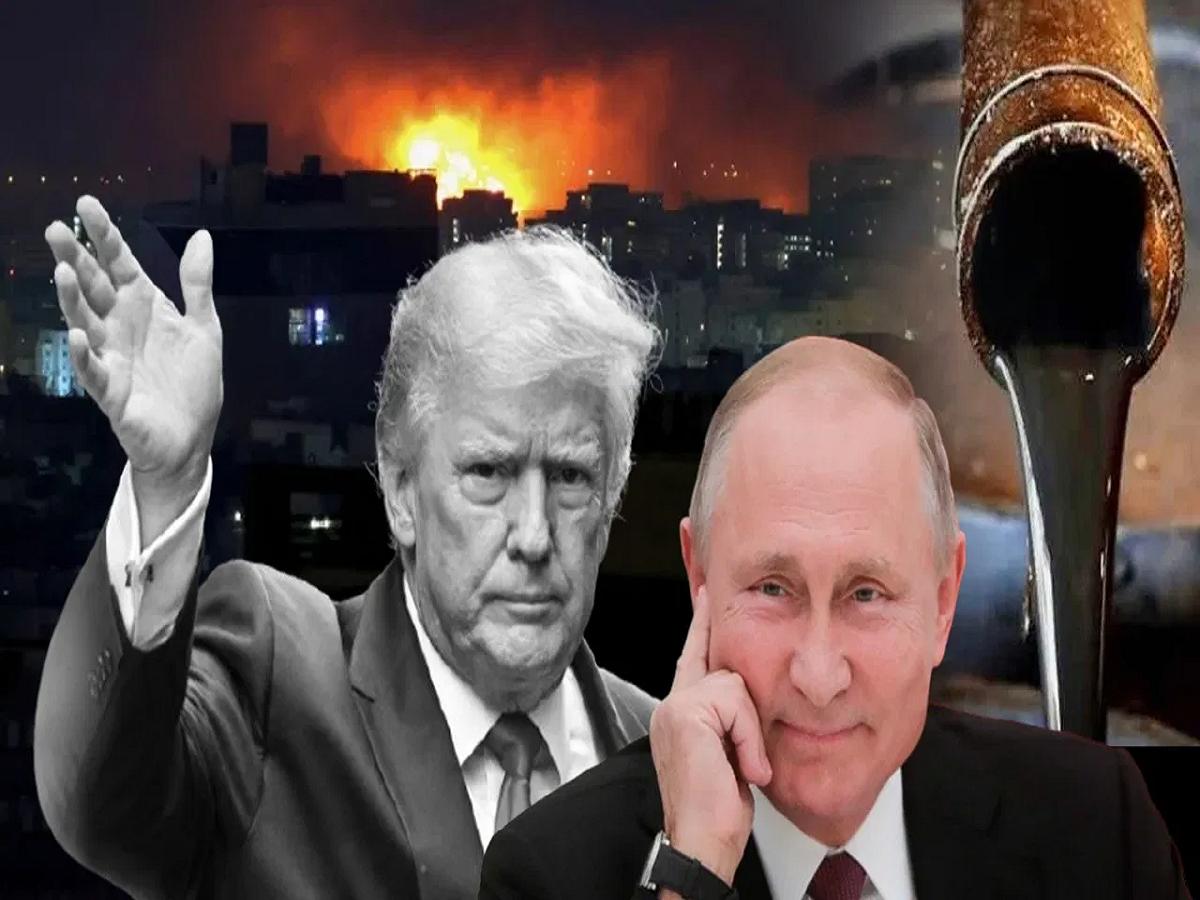
As tensions continue in the ongoing conflict involving the United States, Israel and Iran, the geopolitical situation is becoming increasingly complex. Discussions have intensified after reports that the administration of Donald Trump approved a limited arrangement related to Russian oil shipments, a move some analysts interpret as a sign of mounting economic pressure caused by the war.
However, experts caution that claims describing the situation as “proof of America’s defeat” are political interpretations rather than confirmed facts.
Oil Prices Rise Amid Conflict
The war has significantly impacted global energy markets. Due to uncertainty surrounding supply routes in the Middle East—especially near the strategically vital Strait of Hormuz—international crude oil prices have reportedly surged past $100 per barrel, the highest level in several years.
Energy analysts warn that prolonged instability in the region could:
-
Disrupt global oil supply chains
-
Increase fuel prices worldwide
-
Trigger broader economic inflation
Russia Oil Policy Under Scrutiny
Reports suggest the U.S. government allowed temporary transactions involving certain Russian oil cargoes already at sea. According to statements attributed to the United States Department of the Treasury, the move was intended as a short-term logistical measure, not a shift in broader sanctions policy.
Officials reportedly emphasized that the step was designed to prevent disruptions in global oil supply, rather than provide economic relief to Russia.
The decision nevertheless sparked debate internationally, particularly because Washington had earlier warned countries about purchasing Russian oil.
Speculation About Russia’s Role
Some political commentators believe the decision may also be linked to broader diplomatic calculations involving Vladimir Putin and Russia’s stance on the Iran conflict.
Several theories circulating in global media and political commentary include:
-
The U.S. may want to avoid Russia entering the Iran conflict.
-
Maintaining stable oil flows could prevent a deeper energy crisis.
-
Some observers speculate about wider geopolitical negotiations involving Ukraine and Middle Eastern security.
However, none of these interpretations have been officially confirmed by Washington or Moscow.
Strategic Importance of the Region
Iran sits near one of the world’s most important energy chokepoints—the Strait of Hormuz—through which roughly one-fifth of global oil trade passes.
Any escalation involving Iran could therefore have major consequences for global energy markets, affecting economies from Asia to Europe.