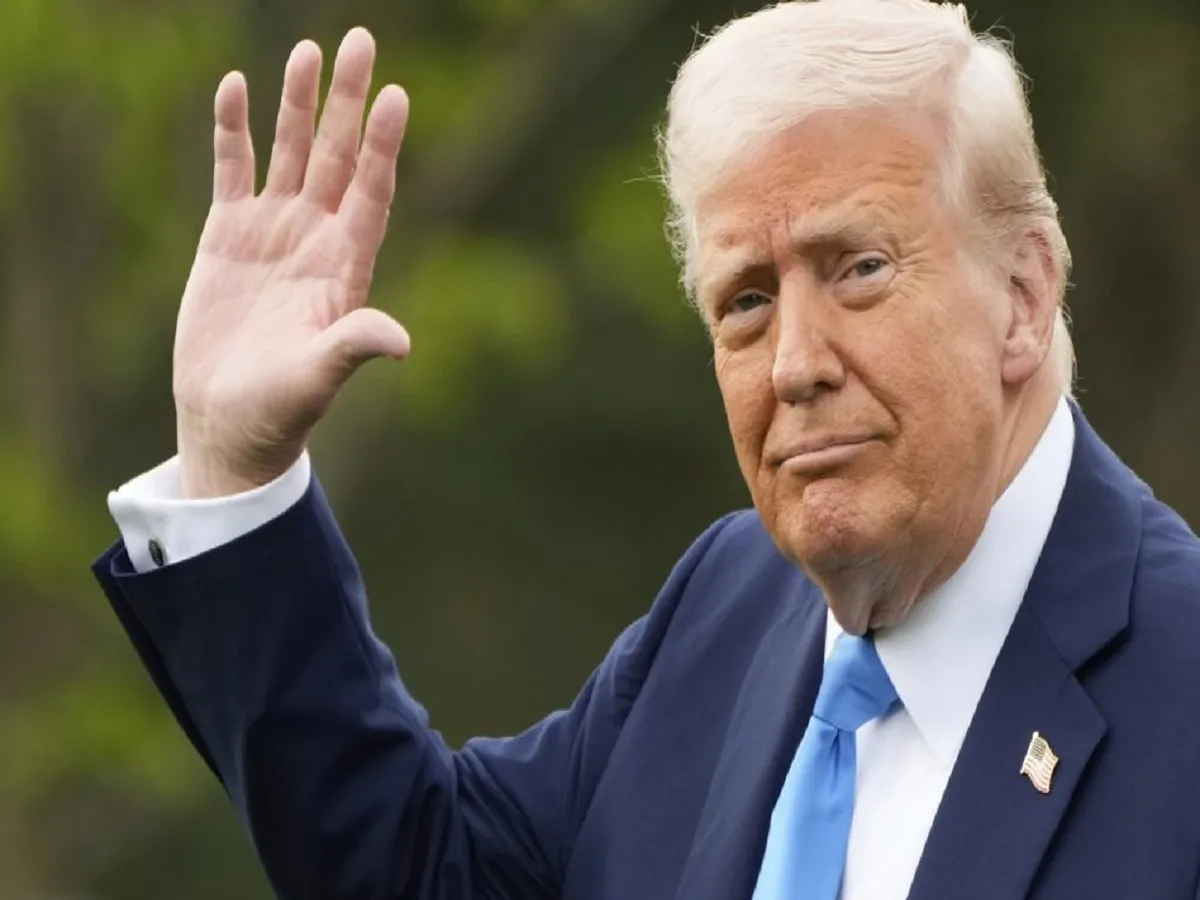
Washington and Brussels finalize trade agreement just days before August 1 deadline; major EU exports to face 15% tariff, but key sectors remain untouched.
The long-anticipated trade showdown between the United States and the European Union (EU) has culminated in a strategic agreement just days ahead of the August 1 deadline. Under the newly signed deal, the U.S. will impose a 15% base tariff on the majority of goods imported from the EU, signaling a major shift in transatlantic trade dynamics.
This agreement follows a tense back-and-forth that began in April when U.S. President Donald Trump announced a "reciprocal tariff" policy aimed at leveling trade imbalances. Originally slated to take effect within 90 days, the deadline was extended by another month, allowing room for intense negotiations.
In a recent meeting held in Scotland, President Trump and European Commission President Ursula von der Leyen finalized the agreement. While the EU initially claimed that "all goods" were included under a revised tariff plan, Trump clarified that critical sectors like pharmaceuticals and metals (specifically steel and aluminum) are excluded from the 15% rate. These sectors will continue to face a higher tariff of 50%, as per the existing U.S. policy.
Key Highlights of the US-EU Trade Agreement:
-
15% Tariff on Most EU Exports: Products across agriculture, textiles, machinery, and electronics will now attract a 15% base tariff when entering the U.S. market.
-
Pharmaceuticals and Metals Exempt: Steel, aluminum, and medical drugs remain under the existing 50% tariff regime, reflecting U.S. concerns over critical infrastructure and national health policy.
-
Massive Energy Purchase: The EU has committed to buying $75 billion worth of American energy over the next three years, aimed at reducing dependency on other geopolitical players.
-
$60 Billion in EU Investments: As part of the deal, the EU has pledged $60 billion (approx. ₹51.88 lakh crore) in American industries, including pharmaceuticals, defense, and automobiles.
-
Defense Procurement: The deal also includes an agreement for large-scale military hardware purchases by the EU, strengthening NATO-related cooperation.
What This Means for Global Trade
President Trump hailed the agreement as "the largest and most balanced trade deal ever reached between the U.S. and Europe," emphasizing fairness and job protection for American industries. Meanwhile, von der Leyen expressed optimism, stating that the agreement "restores predictability and stability to transatlantic trade."
The agreement marks a significant step back from a full-blown tariff war, which analysts had feared could disrupt global supply chains, inflate consumer prices, and lead to retaliatory measures across global markets.
Industries to Watch
With the pharmaceutical and metal industries remaining under higher tariffs, companies operating in those sectors will need to reassess their import/export strategies. On the other hand, the auto, energy, and agricultural sectors may benefit from increased stability and predictable trade costs.
Financial analysts predict that the EU’s significant investment in U.S. industries could boost job creation and technological innovation, especially in the green energy and electric vehicle segments.
Legal and Policy Implications
The deal also signals a softening of Trump’s earlier aggressive trade posture, moving towards a more strategic economic partnership rather than confrontation. However, U.S. policymakers warn that the 50% tariff clause on select items remains a negotiation lever, subject to revision if trade imbalances persist.
Conclusion
This landmark trade agreement between the U.S. and EU avoids potential economic conflict while laying the groundwork for deeper cooperation in energy, defense, and innovation. As both sides recalibrate their policies in light of this deal, the global business community will be watching closely to see how it shapes the future of international commerce.