UPI has become one of the most widely used payment methods in India, making it possible to transfer money within seconds. But the growing popularity of digital payments has also attracted scammers who use fake calls, messages, payment requests and social-engineering tricks to target users.
To make digital payments safer, banks and payment platforms continue to introduce additional security measures. However, users also need to understand how UPI transactions actually work and which common mistakes can put their money at risk.
You Don't Need a UPI PIN to Receive Money
One of the most important things every UPI user should remember is that you generally do not need to enter your UPI PIN to receive money.
The PIN is used to authorise a payment from your bank account. If someone tells you to enter your UPI PIN to receive a refund, prize money or payment, treat it as a warning sign.
Scammers may send a collect request and convince users that approving it will credit money to their account. In reality, approving the request can authorise a debit.
Never Share Your UPI PIN or OTP
Your UPI PIN, OTP, card details and banking credentials should never be shared with another person.
Banks and legitimate payment services do not need you to disclose your secret PIN over a phone call or message.
Even if a caller claims to be from your bank, the police or a government department, do not reveal these details.
Be Careful With Unknown Payment Requests
Fraudsters may send payment requests while pretending to offer refunds, discounts, cashback or other benefits.
Before approving any UPI request, check the recipient's name and the amount carefully. If you did not initiate the transaction, don't approve it simply because someone asks you to.
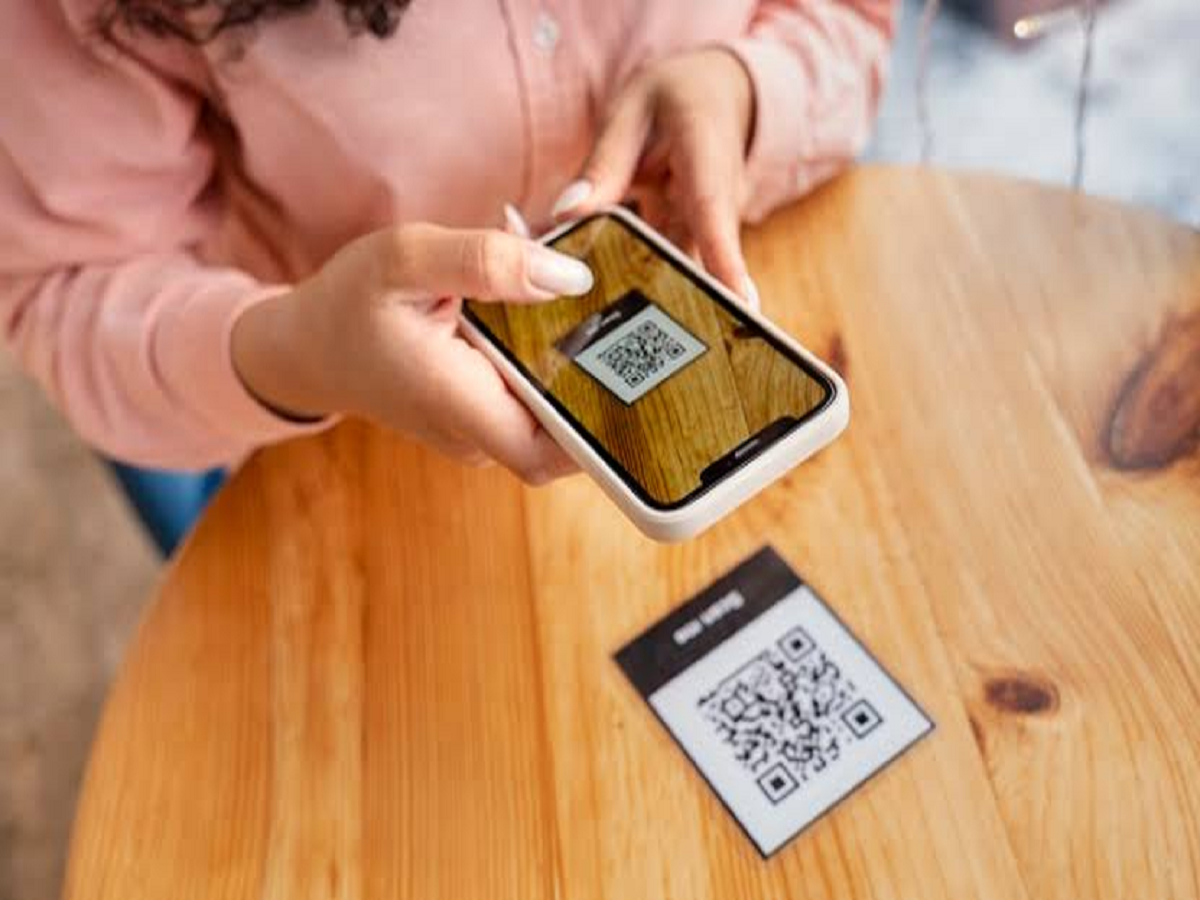
Don't Scan Random QR Codes
QR codes make payments convenient, but scanning an unknown code can be risky if you don't understand what you're authorising.
A QR code should not be treated as a way to automatically receive money. Before completing a transaction, verify the payment details displayed on your screen.
Avoid Remote-Access Apps Suggested by Strangers
Another common fraud technique involves convincing victims to install screen-sharing or remote-access applications.
Scammers may claim that the app is required to process a refund, fix a banking problem or verify an account. Giving another person access to your device can expose sensitive information and allow them to interfere with transactions.
Never install such software at the request of an unknown caller.
What If You Accidentally Make a Fraudulent Payment?
If you realise that you have been tricked into making a fraudulent transaction