BUSINESS
UPI Payments Could Become Smarter: 7 Digital Payment Features Every Indian Should Know About in 2026
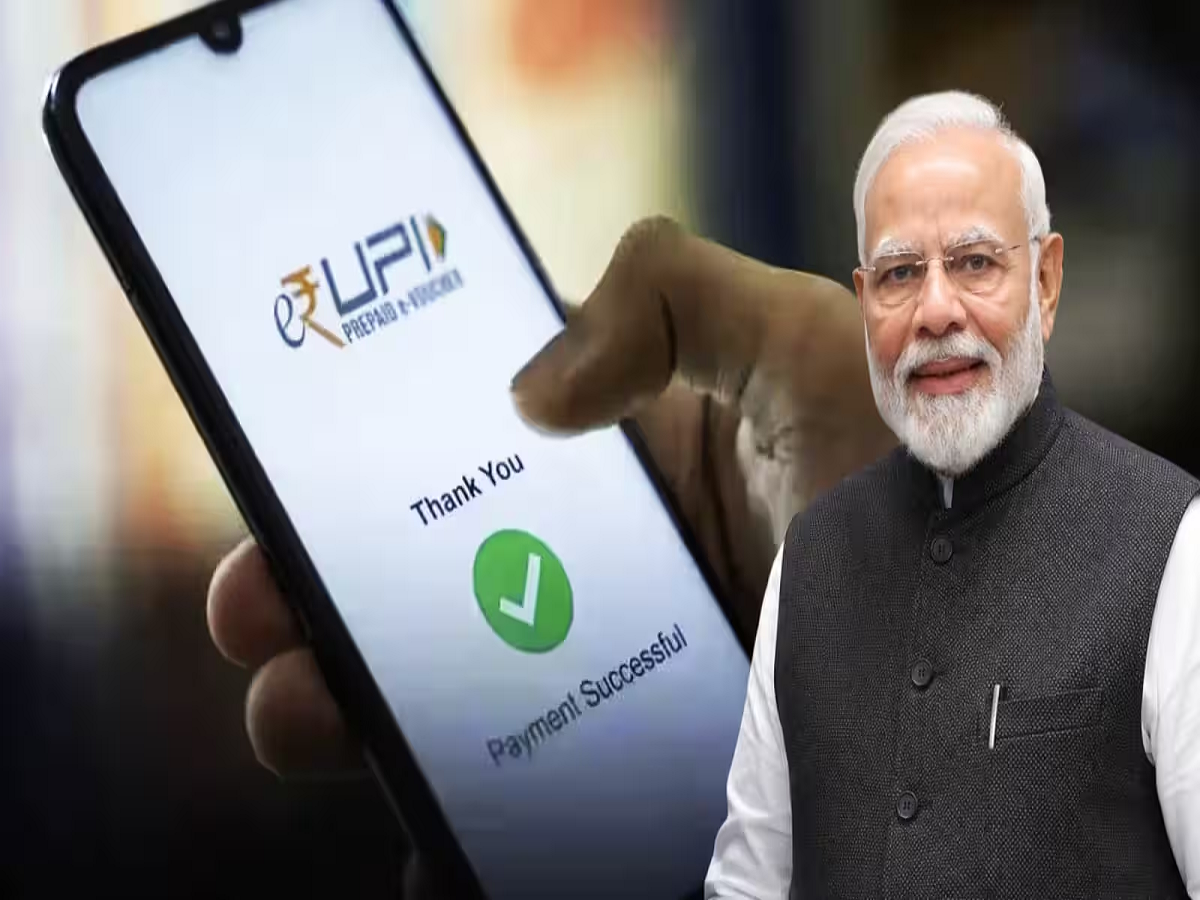
From buying groceries to paying electricity bills, India's digital payment revolution has made everyday transactions faster and more convenient. Unified Payments Interface (UPI) has become a familiar part of daily life, allowing people to transfer money between bank accounts using mobile applications.
But many users still rely on only the basic features of UPI, missing out on tools that can simplify recurring payments, improve transaction tracking and strengthen security.
As digital payments continue to evolve, understanding these features can help users manage their money more efficiently and avoid common mistakes.
1. Pay Recurring Bills Without Repeating Every Step
People who regularly pay subscriptions, utility bills or other recurring expenses may benefit from UPI AutoPay, where supported by the merchant and payment application.
The feature allows users to authorise eligible recurring payments in advance. Depending on the mandate, payments can then be collected automatically according to the agreed schedule.
This can be useful for eligible subscriptions, insurance premiums and other regular expenses.
However, users should carefully check the amount, frequency and validity of every mandate before approving it. Review active mandates periodically and cancel those that are no longer required.
2. Use UPI Lite for Small Payments
UPI Lite is designed to make eligible low-value transactions more convenient. It allows users to maintain a small balance for supported payments without requiring a separate bank authentication process for every transaction.
This can be useful when paying for tea, snacks, local transport or other everyday purchases.
Availability, transaction limits and supported features depend on the applicable rules and the payment application being used.
UPI Lite should not be confused with a separate bank account. Users should understand how funds are added to it and how any remaining balance can be transferred back, where supported.
3. Check the Recipient Before Sending Money
One of the most important digital payment habits is verifying the recipient before approving a transaction.
Scammers may send QR codes or payment requests that appear to be connected to legitimate businesses. A QR code itself does not prove that the recipient is trustworthy.
Before completing a payment, check the recipient's displayed name and confirm the amount. If the details do not match what you expect, stop the transaction and verify the information independently.
Remember that entering your UPI PIN is generally required to authorise a payment from your account, not to receive money. Never enter your PIN merely because someone claims they need it to send you a refund.
4. Understand UPI Circle for Shared Payments
UPI Circle allows a primary user to authorise another person to make eligible UPI payments under specified conditions.
This can be useful for families where one person manages the primary account while another needs to make routine payments. Depending on the supported arrangement, the primary user may establish limits and other controls.
For example, a parent could explore whether the feature is suitable for helping a family member manage everyday spending.
Because payment access is involved, users should review the available permissions, spending limits and authorisation requirements carefully before setting up a circle.
5. Keep Track of UPI Spending Through Transaction History
Digital payments are convenient, but frequent small transactions can make it difficult to understand where money is going.
Most UPI applications provide a transaction history that can help users review spending, identify unfamiliar payments and reconcile purchases.
A simple monthly review can reveal recurring subscriptions, unnecessary expenses or transactions that need further investigation.
For better budgeting, users can group spending into categories such as groceries, transport, food delivery, bills and entertainment. This can make it easier to identify areas where spending could be reduced.
Always use the official application or bank statement when checking transaction details.
6. Know What to Do When a Payment Is Pending
A pending UPI transaction can be confusing, particularly when money appears to have been deducted but the recipient has not received confirmation.
In such cases, avoid immediately repeating the payment. First, check the transaction status in your payment application and bank account.
If the transaction remains unresolved, use the application's official support or dispute-resolution process. Keep the transaction reference number and other relevant details available.
Refund timelines can vary depending on the type of transaction and the reason for the failure. Users should follow the bank's or payment provider's instructions rather than relying on messages from strangers claiming to offer refunds.
7. Protect Your UPI Account From Fraud
Digital payment security begins with a few basic precautions.
-
Never share your UPI PIN, OTP or banking password.
-
Do not install remote-access applications at the request of an unknown caller.
-
Avoid approving unexpected collect requests or payment mandates.
-
Keep your phone's operating system and payment applications updated.
-
Set a strong screen lock and secure your SIM and email account.
-
Contact your bank through official channels if you notice an unauthorised transaction.
If you suspect financial fraud in India, report it promptly to your bank and use the official National Cyber Crime Reporting Portal or call the national cybercrime helpline at 1930, as appropriate.
Why Understanding Digital Payments Matters
UPI has made transferring money easier, but convenience should not come at the expense of financial awareness. Features such as AutoPay, UPI Lite and UPI Circle can help users manage everyday payments, while transaction history and security controls provide additional ways to stay informed.
The most effective approach is to use only the features you understand, review permissions before authorising payments and verify every transaction before confirming it.
Digital payments work best when speed is combined with caution. A few simple habits can help users enjoy the convenience of UPI while keeping better control over their money.