LIFESTYLE
Unlocking the Secrets of Jamun: The English Name, Nutrients, and Surprising Facts About This Summer Superfruit
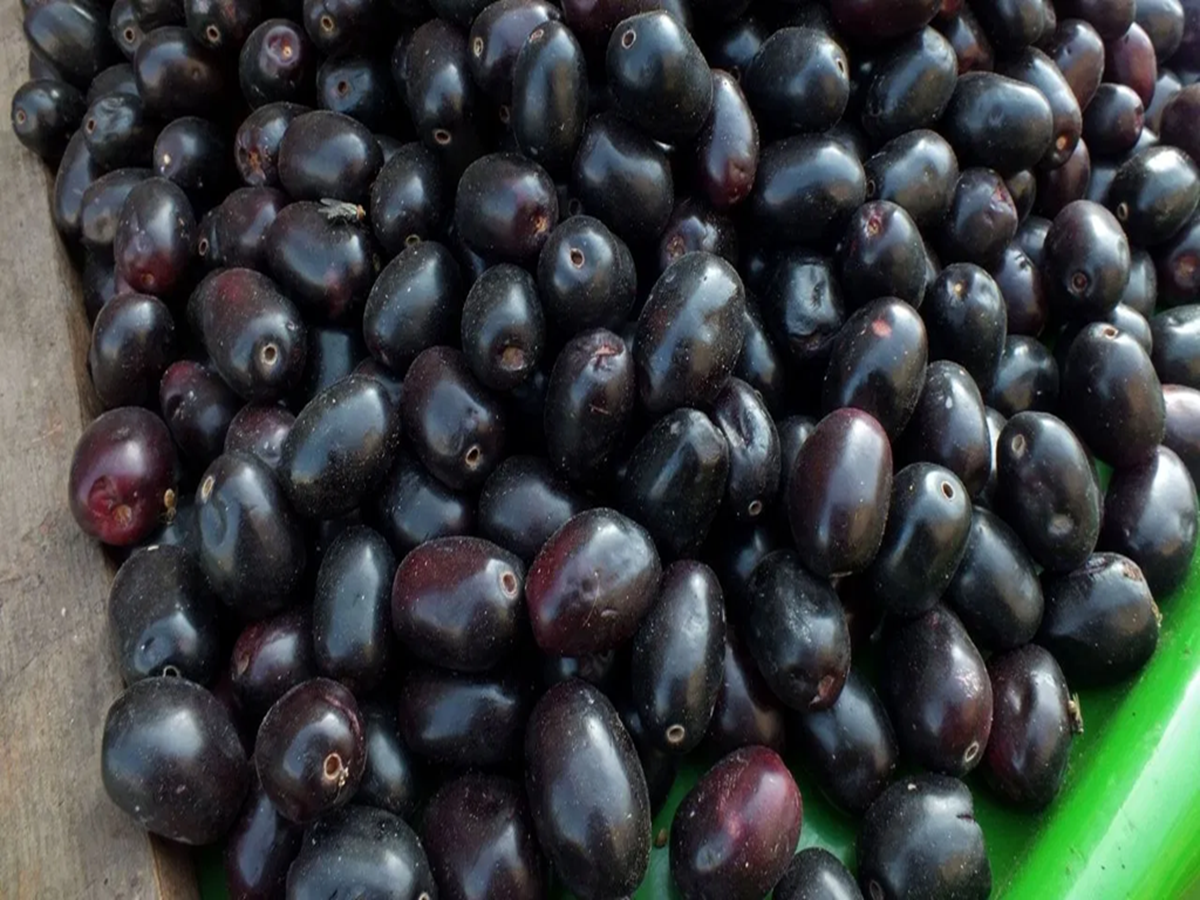
With its unique blend of sweet, slightly sour, and pleasantly astringent flavors, Jamun is an absolute favorite during the scorching summer months. While it is a staple fruit in almost every Indian household, very few people actually know its correct English name or the rich history behind it.
Known globally as the Java plum, black plum, or Indian blackberry, its scientific name is Syzygium cumini. Cultivated in India for thousands of years, this deep-purple fruit holds a revered place in traditional wellness systems, ranging from Ayurveda to Unani medicine. It isn't just the delicious flesh that is prized; jamun seeds, leaves, and bark are also packed with bioactive phytochemicals.
The Global Aliases of Jamun
While "Jamun" is its heartbeat in India, the fruit goes by several names across the globe:
-
Java Plum: The most accurate and widely accepted international name.
-
Black Plum / Malabar Plum: Frequently used in various global trade markets.
-
Indian Blackberry: A common colloquial name, though slightly misleading.
Nutritional Profile of Jamun
According to research published in PubMed, these small berries pack a massive nutritional punch. They are a stellar source of:
-
Vitamins & Minerals: Rich in Vitamins A, B3 (Niacin), and C, alongside essential minerals like iron, calcium, phosphorus, magnesium, potassium, and copper.
-
Macronutrients: A great source of dietary fiber and plant-based protein.
-
Antioxidants: Loaded with powerful antioxidants, specifically flavonoids and polyphenols, which help combat oxidative stress in the body.
5 Fascinating Facts You Didn't Know About Jamun
1. It is Not a True Blackberry
Despite being frequently called the "Indian Blackberry" or "Blueberry," Jamun has absolutely no botanical relation to actual Western blackberries or blueberries.
2. Family Differences
True blackberries belong to the Rosaceae (rose) plant family. Jamun, on the other hand, belongs to the entirely different Myrtaceae (myrtle) family.
3. An Illusion of Color
The only reason Jamun adopted the names "Indian blackberry" or "blue berry" internationally is purely due to the striking, ink-like, dark purple color of its skin.
4. The "Java" Connection
The name "Java plum" originates because the fruit grows in massive abundance on the island of Java (Indonesia).
5. Historical European Discovery
During their early maritime travels to Asia and India, British and European traders first encountered this fruit in large quantities across the Java region, which cemented its Western name.
Top Health Benefits of Jamun
Integrating this seasonal fruit into your diet offers targeted health advantages:
-
Manages Blood Sugar: Jamun is famous for its unique bioactive compounds (particularly in its seeds), which are highly effective at controlling high blood sugar and supporting diabetes management.
-
Fights Microbes: Its natural antibacterial properties shield the body against common bacterial infections.
-
Reduces Inflammation: Powerful anti-inflammatory attributes help lower internal inflammation and protect organs from cellular damage.
-
Boosts Overall Wellness: Regular consumption aids smooth digestion (treating issues like indigestion and diarrhea), strengthens heart health, and supercharges your immune system.