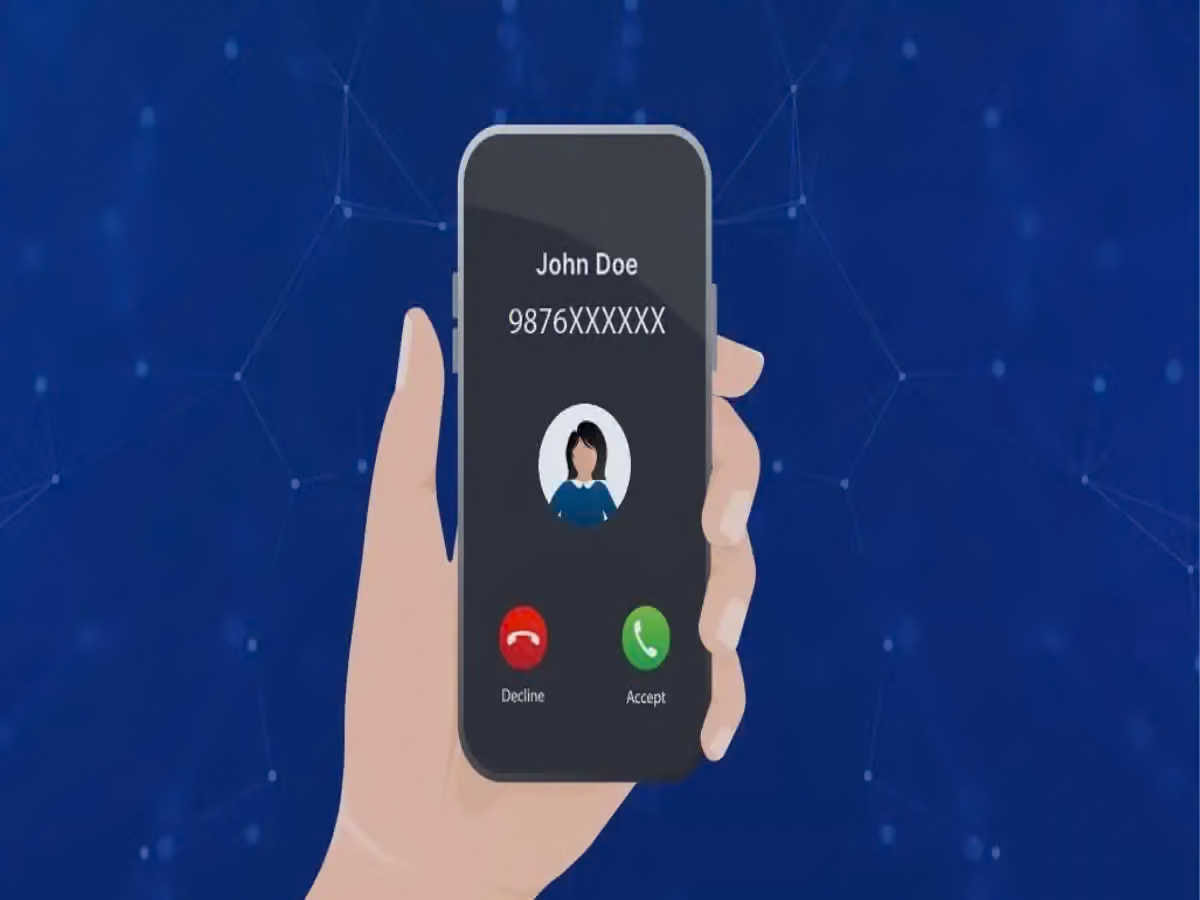
Receiving calls from unknown numbers could become less confusing for mobile users in India. The Department of Telecommunications (DoT) has reportedly directed telecom operators to implement Calling Name Presentation (CNAP), a service designed to display a caller's name alongside their mobile number during incoming calls.
According to the information provided, the service is scheduled for implementation from November 1, 2026, across telecom service areas. The initiative aims to help users identify unknown callers and make more informed decisions before answering calls.
1. How Will the New Caller Name Feature Work?
Under CNAP, an incoming call could display two key details: the caller's mobile number and their name.
If the number is already saved in the recipient's contact list, the phone will generally display the locally saved contact name. For an unsaved domestic number, the name recorded in the telecom operator's subscriber database may be displayed.
For international calls, the display may identify the call as international rather than provide a verified personal name.
This feature is intended to complement existing caller identification tools by using subscriber information maintained by telecom operators.
2. Will Users Need to Activate CNAP Separately?
The reported directive indicates that customers will not need to submit a separate request or purchase an additional subscription to use the service.
Telecom operators will be responsible for implementing the system. Initial implementation is expected to focus on 4G and newer wireless networks, while arrangements for older 2G and 3G networks, as well as landline connections, may be considered separately.
The actual rollout and availability may depend on network compatibility and implementation by individual operators.
3. Can CNAP Help Prevent Spam and Fraud Calls?
One of the main objectives of CNAP is to help people identify callers they do not recognise.
Displaying a name alongside a number may make it easier to distinguish expected calls from unfamiliar ones. It could also help users assess whether to answer a call from a person or organisation they are not expecting to hear from.
However, CNAP should not be treated as a complete solution to spam or financial fraud. A displayed name does not automatically prove that the caller is genuine, and scammers may still use deceptive tactics.
Users should never share OTPs, banking passwords, UPI PINs or other sensitive information merely because a caller's name appears familiar.
4. When Will a Caller’s Name Not Be Displayed?
The reported framework includes an exception for subscribers who have opted for Calling Line Identification Restriction (CLIR), subject to applicable regulations.
Businesses and organisations using bulk or business connections may also be permitted to display verified trade names or trademarks, provided they meet the prescribed requirements.
Telecom operators are expected to manage implementation and establish processes for handling complaints, including cases where a caller's name is displayed incorrectly.
5. What Happens If the Displayed Name Is Wrong?
Since the service relies on subscriber information held by telecom operators, incorrect or outdated records could result in a name being displayed inaccurately.
The reported instructions require operators to establish mechanisms for registering and resolving complaints about incorrect name presentation.
Customers who notice an incorrect name should use their telecom operator's official customer-care or complaint channels to seek correction.
Conclusion
The proposed CNAP rollout could change how mobile users in India handle calls from unknown numbers. By displaying subscriber names alongside phone numbers, the service aims to improve caller identification and make everyday communication more convenient.
However, identifying a caller is not the same as verifying their intentions. Even after the feature becomes available, users should remain cautious about suspicious calls, unexpected payment requests and anyone asking for confidential financial information.
Before relying on the November 1 rollout date or assuming the feature is active on every network, users should check the latest official announcements from the Department of Telecommunications and their telecom operator.