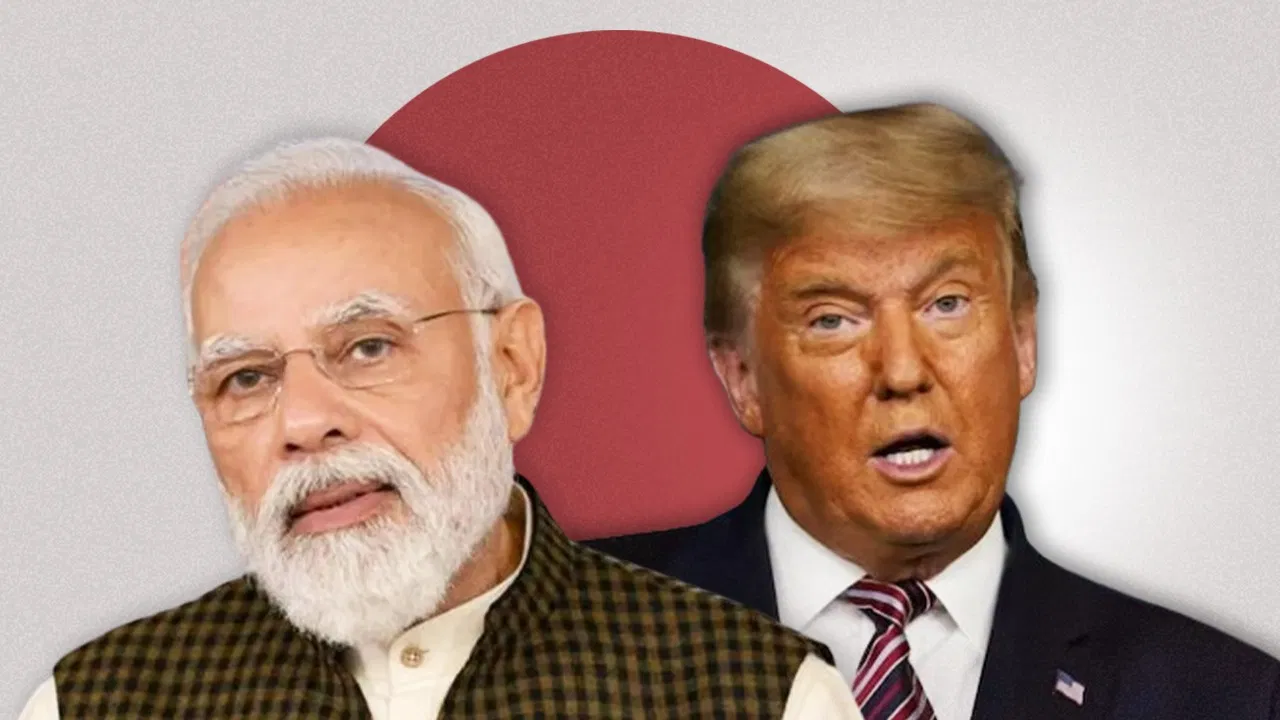
US President Donald Trump’s decision to impose steep tariffs on India has triggered unexpected consequences, strengthening India’s global outreach instead of weakening it. Trump, known for his aggressive trade policies, slapped a 50 percent tariff on Indian goods—first 25 percent on July 30 and another 25 percent a week later, citing India’s purchase of Russian oil. He claimed these measures would benefit American workers and revive the US economy. However, rather than isolating India, the move has pushed New Delhi to diversify its partnerships and expand global trade links.
India is now actively improving relations with countries across Asia, Europe, and North America. Diplomatic ties with China are showing signs of stability for the first time since 2018, as Prime Minister Narendra Modi prepares to attend the Shanghai Cooperation Organization summit hosted by President Xi Jinping. Both nations have emphasized respect for each other’s interests, with officials highlighting that stable and predictable India-China relations will contribute to regional and global peace.
Relations with Canada, strained since 2023 following the killing of a Khalistani separatist, are also on the mend. Both nations have appointed new High Commissioners—Dinesh K. Patnaik for India in Ottawa and Christopher Cooter for Canada in New Delhi—signaling a reset in ties. This follows an agreement between Modi and Canadian Prime Minister Mark Carney to take constructive steps toward restoring stability.
At the same time, India is reaching out to as many as 40 countries, including the UK, Japan, South Korea, Germany, France, Australia, and the UAE, to strengthen its textile exports. Together, these nations represent a market worth over $590 billion. With India’s current share at only 5–6 percent, officials believe there is significant potential to establish the country as a reliable supplier of sustainable and innovative textiles.
Meanwhile, Trump’s tariffs have sparked criticism at home in the United States. Lawmakers and former officials argue that the measures are hurting American consumers and businesses rather than India. Former Vice President Mike Pence pointed out that companies like Ford have paid hundreds of millions in tariffs, while former UN Ambassador Nikki Haley warned that weakening ties with India would be a “strategic disaster” for Washington. Former National Security Adviser John Bolton also cautioned that Trump’s actions could push India closer to China and Russia, undermining America’s long-term strategic interests.
In effect, the tariff war that was meant to corner India has instead highlighted its resilience and ability to strengthen ties across continents—from Beijing to Ottawa and from London to Tokyo. Far from being isolated, India has turned Trump’s gamble into an opportunity to broaden its global influence.