INTERNATIONAL
Trump Defends Tariffs After Court Ruling, Warns Lifting Them Would Be a “Disaster” for America
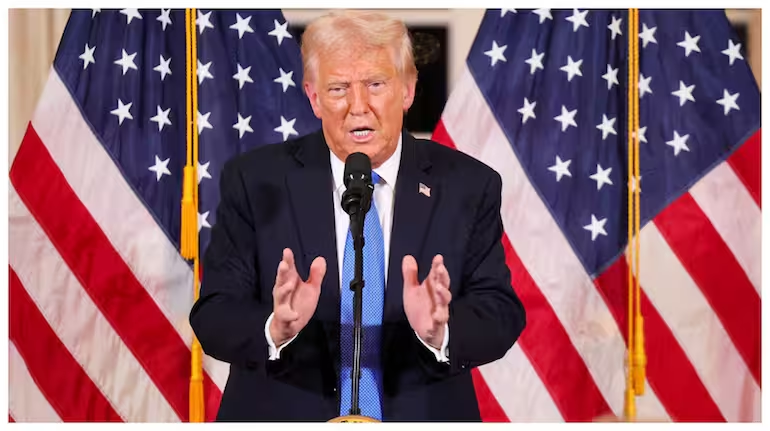
Washington, August 30, 2025 – Former U.S. President Donald Trump has once again defended his controversial tariff policies, just hours after a federal appeals court declared some of them unlawful. Despite the legal setback, Trump insisted that the tariffs remain in effect and warned that removing them would spell “disaster” for the United States.
The statement came through Trump’s Truth Social post, where he strongly criticized the court’s judgment. According to the ruling, Trump exceeded his authority by invoking emergency powers to impose certain tariffs, particularly during his presidency when trade tensions with China and other nations were at their peak.
Trump’s Response to the Court Decision
In his post, Trump dismissed the ruling as misguided and politically motivated, arguing that the tariffs have been essential in protecting American jobs, industries, and national security. “The tariffs are still in place. Removing them would be a disaster for our country. We must continue to protect American workers from unfair trade practices,” he wrote.
Trump further emphasized that his trade policies brought billions of dollars into the U.S. Treasury and compelled other nations to negotiate more favorable deals. He accused critics of ignoring the benefits and focusing only on the legal technicalities.
The Federal Appeals Court Ruling
The legal challenge against Trump’s tariffs centered on the use of emergency powers under U.S. law. The appeals court concluded that Trump had overstepped his authority by classifying certain trade disputes as “national emergencies,” a move that allowed him to bypass Congress and unilaterally impose tariffs.
According to the judges, while presidents have wide discretion in matters of trade, the emergency powers law was never intended to be used as a blanket justification for long-term tariff regimes. The court’s ruling could open the door for businesses and trade groups to seek relief from tariff costs, though legal experts note that the issue may ultimately be resolved by the Supreme Court.
Political and Economic Implications
Trump’s defiance underscores how central tariffs remain to his political identity and economic vision. Throughout his presidency, tariffs were a cornerstone of his “America First” policy, especially in the trade war with China. Supporters argue that the tariffs helped curb unfair foreign competition, while critics maintain they led to higher costs for American consumers and strained global supply chains.
Economists are now divided on the future of these policies. If the tariffs are struck down completely, import costs for certain goods may decline, offering some relief to businesses and households. However, Trump’s warning reflects the concerns of domestic industries that have benefited from tariff protections.
Trump’s Warning of “Disaster”
Calling the potential removal of tariffs a “disaster,” Trump painted a grim picture of what he believes would happen without trade barriers. He argued that American manufacturing would collapse under pressure from cheaper imports, millions of jobs could be lost, and the U.S. would once again become dependent on foreign suppliers.
This framing is likely to resonate with his political base, particularly in manufacturing states that supported him in previous elections. It also highlights how trade policy remains a hot-button issue as the U.S. heads toward another election cycle.
What Lies Ahead
The Biden administration has so far taken a cautious approach, maintaining many of the tariffs while reviewing their long-term impact. The new court ruling could force the administration to clarify its position and potentially reshape trade relations with key partners.
For now, Trump remains adamant: his tariffs are “still in place,” and removing them would be nothing short of catastrophic for the country. The clash between the judiciary, the current administration, and Trump’s political camp suggests that the debate over tariffs is far from over.