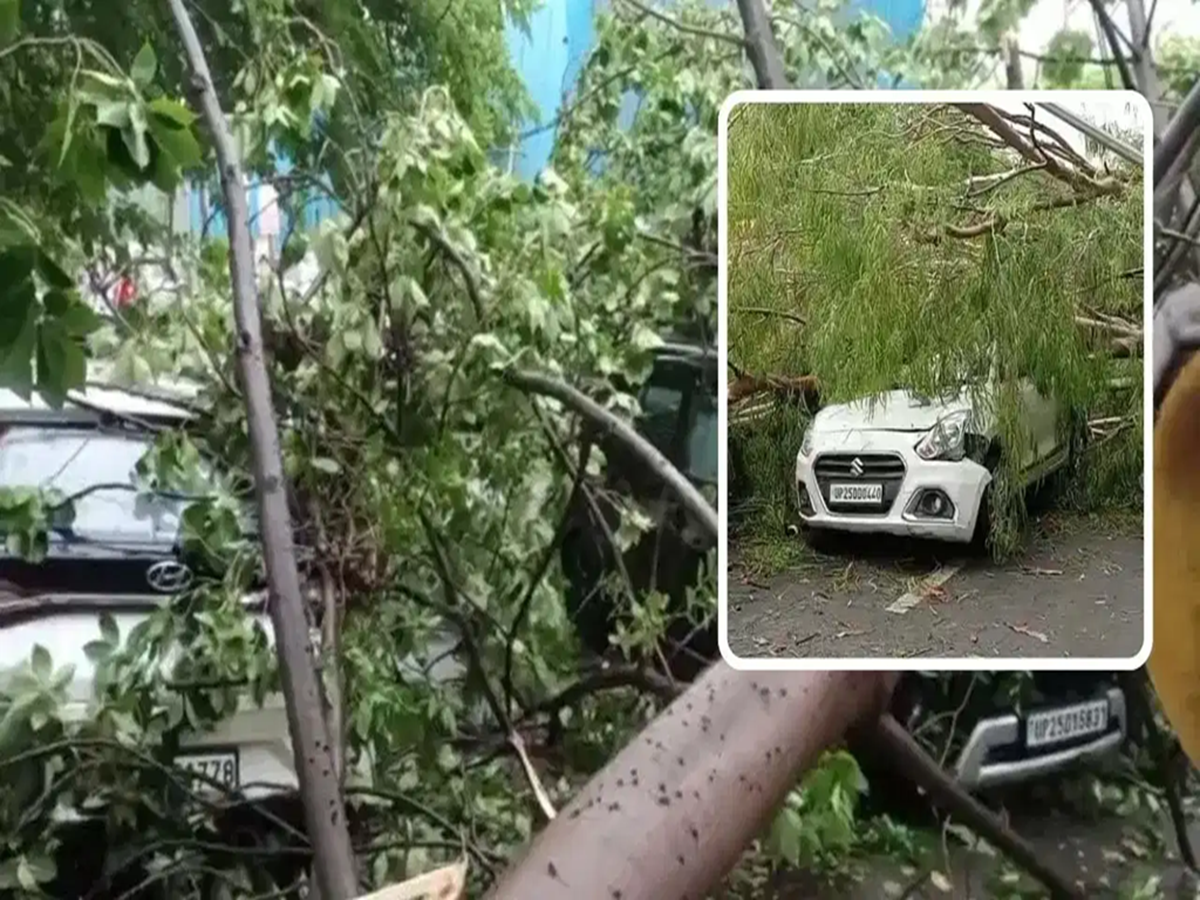
As the monsoon intensifies across the country, heavy rainfall, thunderstorms, and strong winds are increasing the risk of vehicle damage. One common issue during this season is trees or large branches falling on parked cars, often leading to costly repairs. If your vehicle suffers such damage, knowing the correct insurance claim process can save both time and money.
Why Comprehensive Insurance Matters During the Monsoon
The rainy season brings much-needed relief from soaring temperatures, but it also exposes vehicles to several hazards. Flooded roads, flying debris, and uprooted trees can cause extensive damage to a car's body, windshield, or even critical mechanical components.
A comprehensive car insurance policy is designed to cover damage caused by natural disasters, including storms, heavy rain, and falling trees. Without adequate coverage, repair expenses may have to be borne entirely by the vehicle owner.
What to Do Immediately After a Tree Falls on Your Car
If your car is damaged due to a fallen tree or branch, act quickly by following these steps:
-
Inform your insurance provider as soon as possible.
-
Capture clear photographs and videos of the damaged vehicle and the accident site before moving the car.
-
Do not remove debris or begin repairs until the insurance company has recorded the claim.
-
Keep all documents related to the incident for future reference.
Prompt reporting and proper documentation can significantly improve the chances of a smooth claim settlement.
How Zero Depreciation Cover Can Save You Money
A Zero Depreciation (Zero Dep) add-on offers enhanced financial protection during repairs.
Under a standard motor insurance policy, insurers deduct depreciation on replaced parts based on their age and wear, meaning the policyholder pays part of the repair cost.
However, with a Zero Dep cover, the insurer generally pays the full cost of eligible replacement parts without applying depreciation deductions, subject to the policy's terms and conditions. This can substantially reduce out-of-pocket expenses during repairs.
Important Claim Tips You Shouldn't Ignore
To avoid delays or claim rejection, remember these key points:
-
Wait for the insurer's surveyor to inspect the vehicle before authorizing any repairs.
-
Get repairs carried out only at an authorized service center whenever possible.
-
Report the incident immediately, as delays may complicate the claims process.
-
If the tree fell in a public area and you intend to seek compensation from a civic authority, preserve evidence and obtain a police report or other supporting documents if required.
Protect Your Car Before the Next Storm
Preventive measures can help reduce the risk of damage during the rainy season. Avoid parking under old or weak trees, especially during severe weather alerts. Choose covered or secure parking whenever available.
Most importantly, ensure your car insurance policy remains active. An expired policy will not provide coverage for damage caused by storms, falling trees, or other natural calamities, leaving you responsible for the entire repair bill.