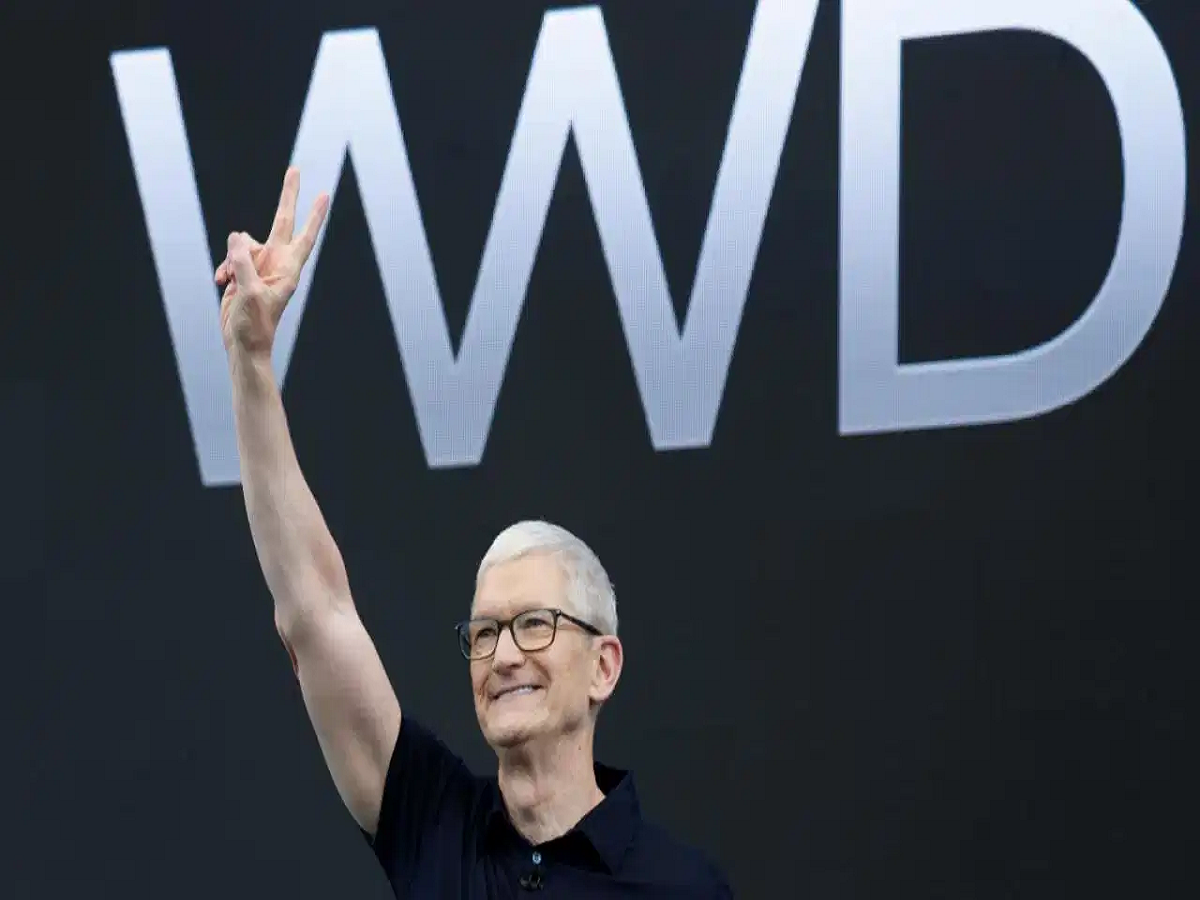
A major leadership transition is taking place at Apple. After 15 years as CEO, Tim Cook is stepping away from the company's top executive role at the end of August 2026. From September 1, John Ternus, Apple's senior vice president of Hardware Engineering, will become the new CEO.
Cook is not leaving Apple completely. He will take on the role of executive chairman and continue supporting the company in selected areas, including engagement with policymakers around the world.
During Cook's leadership, Apple expanded far beyond the iPhone. The company strengthened its global operations, entered major new product categories, expanded its services business and significantly increased manufacturing outside China.
Apple Built a Powerful Global Supply Chain
Tim Cook's background in operations played an important role in shaping Apple's manufacturing strategy.
Under his leadership, Apple developed an extensive network of suppliers and manufacturing partners capable of producing millions of devices at enormous scale. China remained a crucial manufacturing hub, helping Apple meet global demand for products such as the iPhone, iPad and Mac.
At the same time, Apple gradually began expanding its manufacturing footprint to other countries to reduce its dependence on a single production base.
India and Vietnam Became More Important
One of the major changes during Cook's tenure was Apple's growing manufacturing presence outside China.
India became increasingly important for iPhone assembly, while Vietnam emerged as an important production location for several other Apple products.
Although China continues to play a major role in Apple's supply chain, expanding manufacturing to other countries has given the company greater flexibility and additional production options.
Apple Watch and AirPods Became Major Product Categories
Cook's Apple wasn't solely focused on the iPhone. The company successfully established new product categories, particularly wearables.
The Apple Watch, introduced in 2015, gradually evolved from a companion device for notifications and fitness tracking into a broader health and safety platform.
AirPods followed in 2016 and helped turn wireless earbuds into a mainstream consumer product. Their seamless integration with Apple's ecosystem, along with improvements such as better audio quality and active noise cancellation, helped make them an important part of Apple's product lineup.
Apple later expanded its wearables portfolio further, including products such as Apple Vision Pro.
Services Became a Huge Business
Another defining feature of Cook's tenure was the rapid expansion of Apple Services.
Products and platforms such as iCloud, Apple Pay, Apple Music, Apple TV and other subscription and digital services became increasingly important to Apple's business.
According to Apple, its Services business has grown into a more than $100 billion annual business under Cook's leadership.
Apple Moved Toward Its Own Silicon
Cook's tenure also saw Apple take greater control over the technology inside its products.
The company transitioned the Mac from third-party processors to Apple-designed silicon. This allowed Apple to control more of the underlying hardware and software experience while delivering improvements in performance and power efficiency.
The shift became one of the most important technical changes to Apple's Mac lineup in recent years.
Apple's Business Grew Dramatically
The scale of Apple's growth during Cook's time as CEO has been enormous. Apple says its market capitalisation increased from approximately $350 billion when Cook became CEO to around $4 trillion, while annual revenue rose from $108 billion in fiscal 2011 to more than $416 billion in fiscal 2025.
The company also expanded its global presence to more than 200 countries and territories and grew its active installed base to more than 2.5 billion devices, according to Apple.
John Ternus Takes Over as CEO
John Ternus will now inherit the responsibility of leading Apple into its next phase.
Ternus has spent more than two decades at Apple and currently leads Hardware Engineering, overseeing teams responsible for products including the iPhone, iPad, Mac, Apple Watch, AirPods and Apple Vision Pro.
Apple says the leadership transition follows a long-term succession planning process. Ternus will become CEO on September 1, while Cook will continue contributing to Apple as executive chairman.
Cook's departure from the CEO position therefore marks the end of an important chapter in Apple's history—but not the end of his association with the company.