Vitamin B12 is one of the most important nutrients required for maintaining overall health. It plays a crucial role in producing red blood cells, supporting brain function, maintaining a healthy nervous system, and helping the body convert food into energy. Despite its importance, Vitamin B12 deficiency remains a common nutritional concern, often leading to fatigue, weakness, poor concentration, and other health issues.
Many people are unaware that certain animal-based foods contain exceptionally high levels of Vitamin B12. Among them, one particular part of mutton stands out as one of the richest natural sources of this essential nutrient.
Here's everything you need to know about Vitamin B12, why your body needs it, and which mutton cuts provide the highest amounts.
Why Is Vitamin B12 Important for the Body?
Vitamin B12 is a water-soluble vitamin that supports several critical bodily functions.
Its key benefits include:
-
Formation of healthy red blood cells
-
Proper functioning of the nervous system
-
DNA synthesis and cell growth
-
Energy production and metabolism
-
Maintenance of healthy skin and hair
-
Support for brain health and cognitive function
Health experts generally recommend that adults consume around 2.4 micrograms (mcg) of Vitamin B12 per day to meet their nutritional requirements.
A long-term deficiency may increase the risk of anemia, nerve-related problems, memory issues, and persistent fatigue.
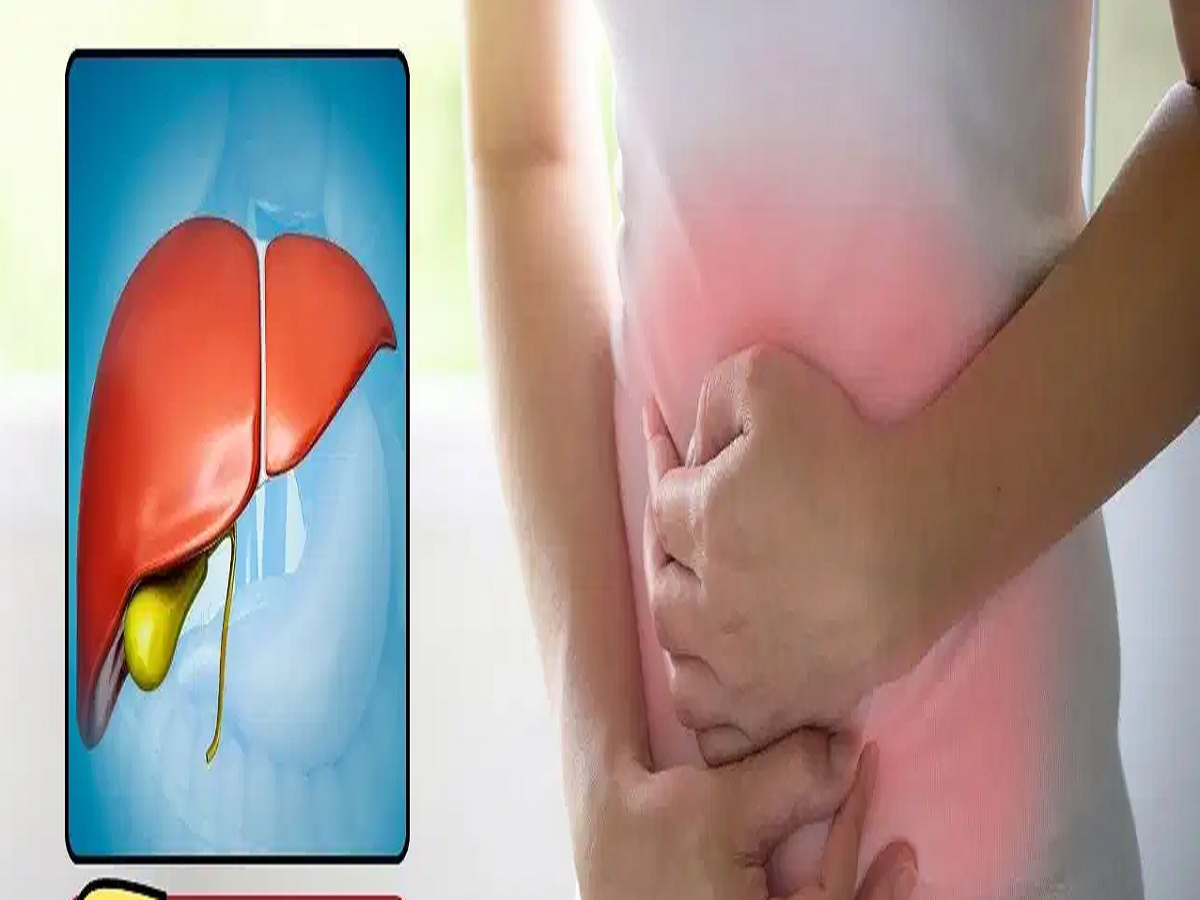
The Liver's Role in Storing Vitamin B12
Although the liver does not produce Vitamin B12, it serves as the body's primary storage center for this nutrient.
Medical experts estimate that approximately 50% to 90% of the body's Vitamin B12 reserves are stored in the liver. This storage system helps maintain adequate levels even during periods when dietary intake fluctuates.
Because the liver naturally stores large quantities of Vitamin B12, animal liver is considered one of the most nutrient-dense foods available.
Which Part of Mutton Has the Most Vitamin B12?
Among all edible parts of goat and sheep, liver—commonly known as kaleji in India—is regarded as one of the richest natural sources of Vitamin B12.
Mutton Liver (Kaleji)
Mutton liver contains exceptionally high concentrations of Vitamin B12.
Key nutritional highlights include:
-
Approximately 60 to 90 mcg of Vitamin B12 per 100 grams
-
Provides many times the recommended daily intake
-
Considered one of the most concentrated natural sources of Vitamin B12
Due to its impressive nutrient profile, liver is often recommended for individuals looking to increase their Vitamin B12 intake through food.
Mutton Kidney Is Another Excellent Source
In addition to liver, goat and sheep kidneys are also rich in Vitamin B12.
Mutton Kidney
Nutritional estimates suggest that mutton kidney contains:
-
Around 20 to 25 mcg of Vitamin B12 per 100 grams
-
Significantly higher levels than many commonly consumed meat products
For people seeking natural dietary sources of Vitamin B12, kidney can be another valuable addition to a balanced diet.
How to Increase Vitamin B12 Levels Naturally
Individuals who consume non-vegetarian foods can improve their Vitamin B12 intake through a variety of nutrient-rich options.
Some of the best natural sources include:
-
Mutton liver (kaleji)
-
Goat or sheep kidney
-
Fish and seafood
-
Eggs
-
Poultry
-
Dairy products
Including Vitamin B12-rich foods two to three times per week may help support healthy nutrient levels, depending on individual dietary needs and overall health conditions.
Many people prefer lightly cooked or grilled liver preparations, which can be both nutritious and flavorful when consumed as part of a balanced diet.
How Vegetarians Can Meet Their Vitamin B12 Needs
Obtaining adequate Vitamin B12 can be more challenging for vegetarians because most natural sources come from animal-based foods.
However, several vegetarian-friendly options can help improve intake.
Vegetarian Sources of Vitamin B12
-
Milk
-
Yogurt
-
Paneer
-
Fortified breakfast cereals
-
Fortified flour products
-
Vitamin B12-fortified foods
-
Dietary supplements (under medical guidance)
While dairy products contain lower amounts of Vitamin B12 compared to organ meats such as liver and kidney, they can still contribute to meeting daily nutritional requirements.
Important Considerations Before Increasing Intake
Although Vitamin B12 is essential for health, nutritional needs vary from person to person. Individuals with existing medical conditions, dietary restrictions, or symptoms of deficiency should consult a healthcare professional before making major dietary changes or starting supplements.
A simple blood test can help determine Vitamin B12 levels and identify whether additional dietary support or supplementation is necessary.
The Bottom Line
When it comes to natural food sources of Vitamin B12, mutton liver ranks among the richest options available. With significantly higher concentrations than many other foods, it can help support healthy blood cells, nerve function, energy production, and overall well-being.
For those who consume non-vegetarian foods, liver and kidney can provide substantial amounts of Vitamin B12. Meanwhile, vegetarians can rely on dairy products, fortified foods, and supplements when necessary to maintain adequate levels of this essential nutrient.
A balanced diet and regular health checkups remain the best approach to ensuring your body receives the nutrients it needs to function at its best.