Smartphones store everything from banking apps and passwords to personal photos and work documents. If your phone has been compromised, hackers could gain access to sensitive information without you realizing it. Fortunately, there are several warning signs that can help you detect a problem early.
Here are 10 signs your smartphone may have been hacked—and what you should do immediately.
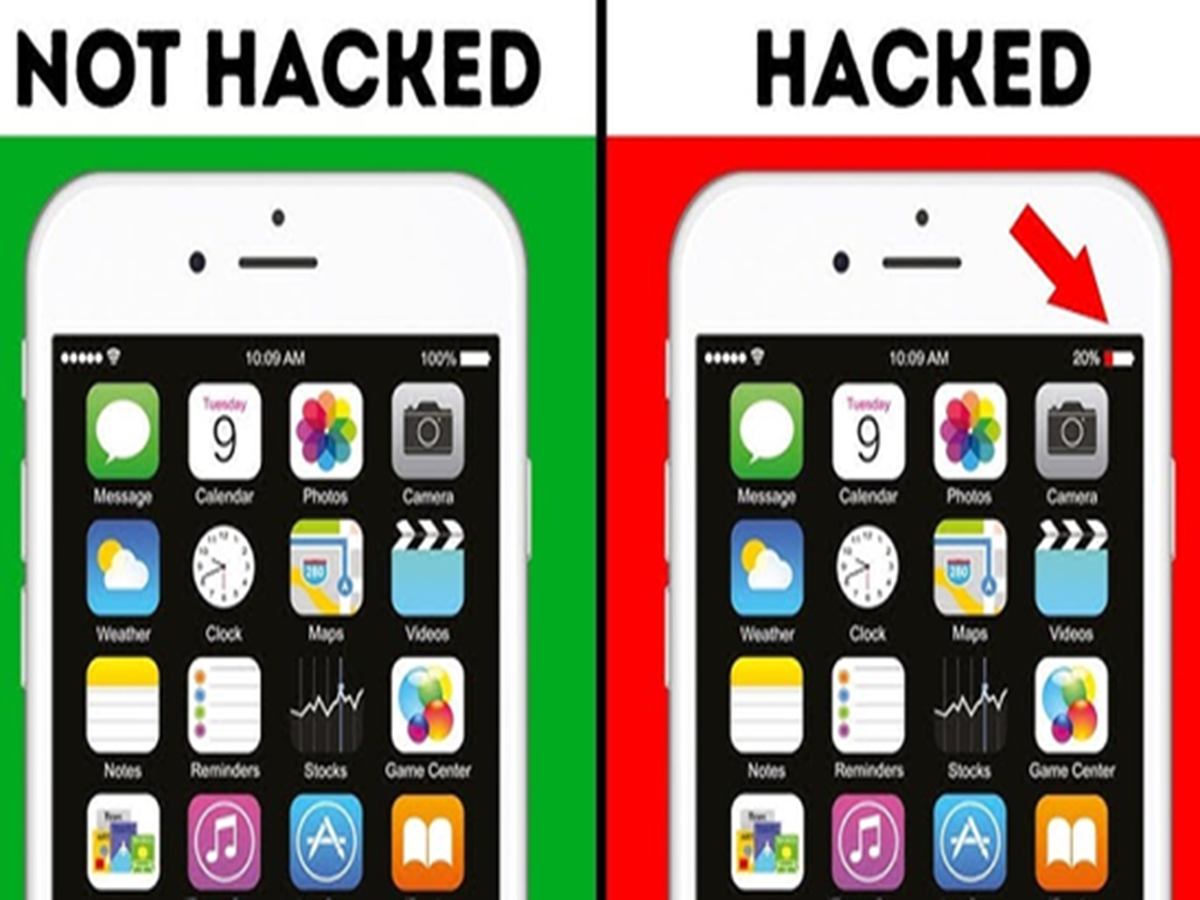
1. Battery Drains Much Faster Than Before
A sudden drop in battery life without any change in usage could indicate that a malicious app is running in the 're not using either feature, check which app is accessing them.
Review app permissions and revoke access for apps that don't need it.
8. Calls or Messages You Didn't Send
Friends receiving strange messages from your number or seeing calls you never made could indicate that your account or device has been compromised.
9. Security Features Are Disabled
If Google Play Protect, Face ID, fingerprint lock, or other security settings are turned off without your knowledge, investigate immediately.
Run a security scan and verify your settings.
10. Your Phone Keeps Restarting or Crashing
Frequent crashes don't always mean malware, but if they occur alongside several of the warning signs above, it's worth checking your device for malicious software.
What Should You Do If You Suspect Your Phone Is Hacked?
If you notice multiple warning signs:
-
Disconnect from public Wi-Fi.
-
Remove suspicious apps.
-
Update your phone to the latest software.
-
Scan your device using a trusted mobile security app.
-
Change passwords for important accounts.
-
Back up essential data.
-
If the problem persists, consider performing a factory reset after backing up your files.
The Bottom Line
Not every slowdown or battery issue means your phone has been hacked, but unusual behavior should never be ignored. Regular software updates, downloading apps only from trusted app stores, reviewing app permissions, and enabling two-factor authentication can go a long way in protecting your personal information from cyber threats.